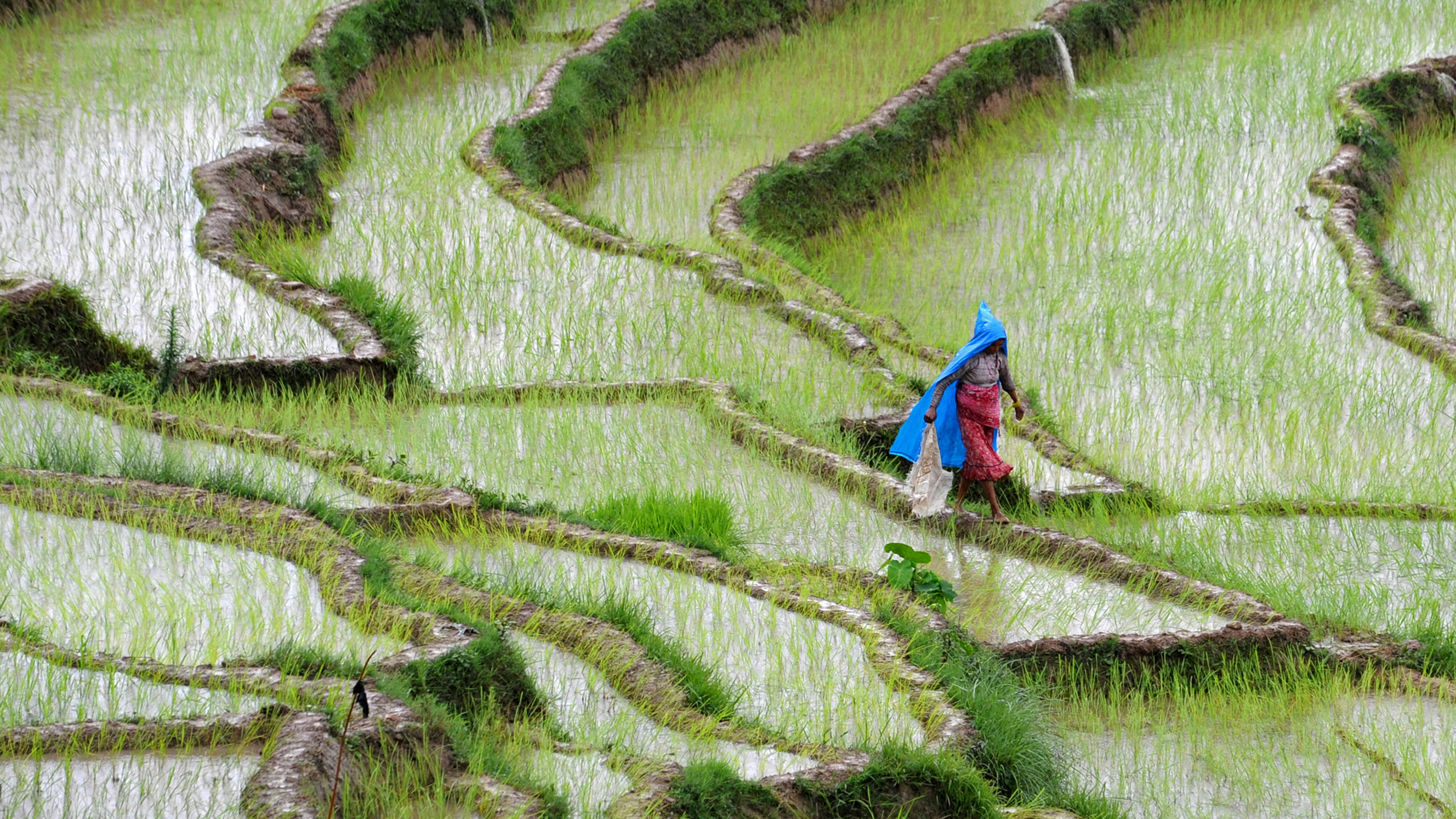
The growing trend of youth migration for foreign employment, increasing fallow land and the lack of modernization and commercialization in agriculture have all contributed to stagnant domestic production. As local output fails to meet demand, Nepali consumers are increasingly reliant on imported agricultural goods.
Despite repeated government claims of increasing domestic production of agricultural and livestock products, Nepal’s dependence on imports continues to rise. Within just the first five months of the current Fiscal Year (FY) 2025/26, agricultural and animal-based products worth nearly Rs 150 billion have been imported from abroad.
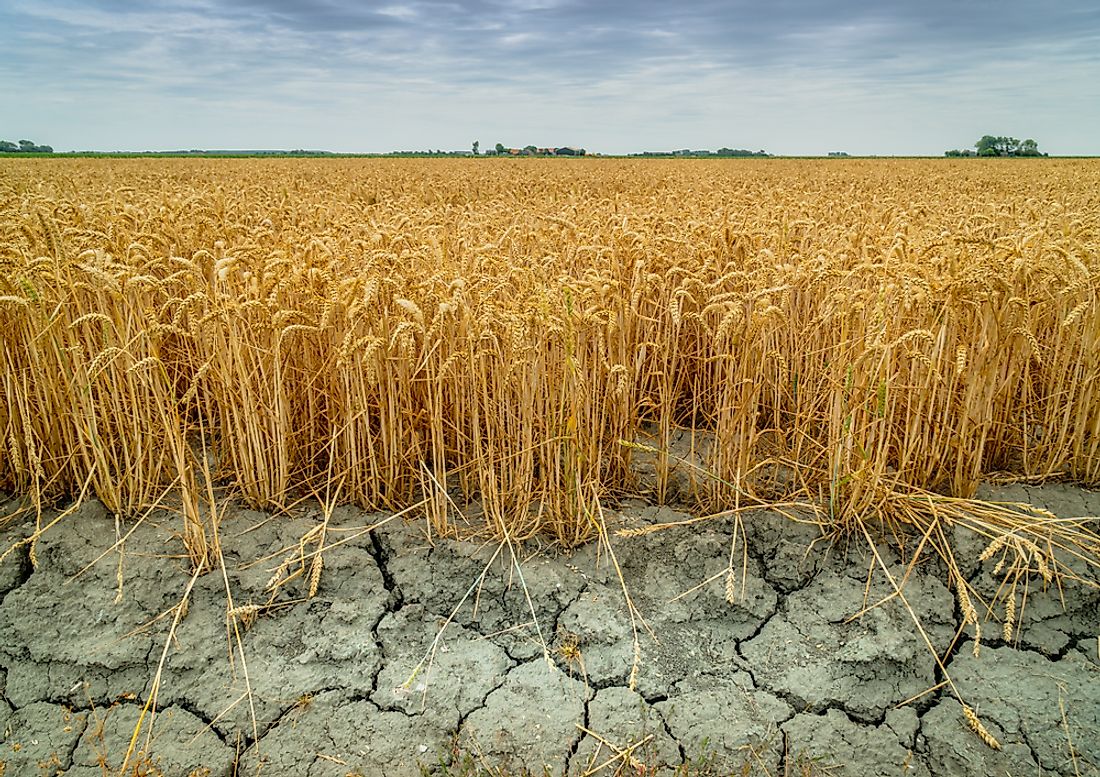
The growing trend of youth migration for foreign employment, increasing fallow land and the lack of modernization and commercialization in agriculture have all contributed to stagnant domestic production. As local output fails to meet demand, Nepali consumers are increasingly reliant on imported agricultural goods.
According to data released by the Department of Customs on Monday, food grains, vegetables, fruits, fish, meat and related products worth Rs 154 billion were imported between Shrawan and Mangsir of the current FY. During this period alone, food grains such as paddy, rice, maize and wheat worth Rs 22.72 billion were imported. Despite the government declaring multiple paddy production pocket areas, rice imports continue unabated.
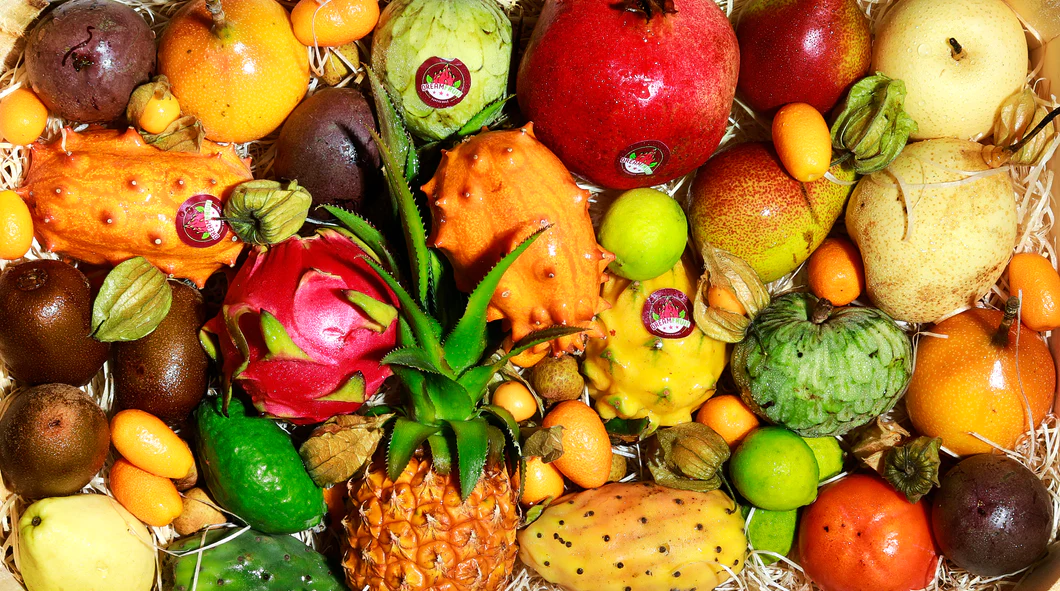
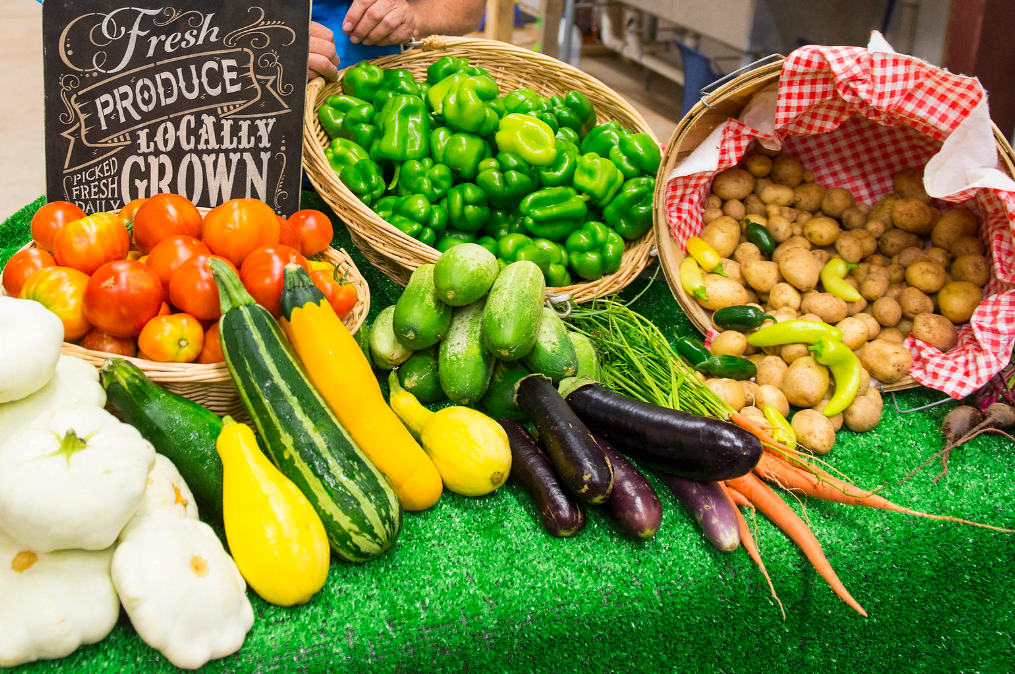
Even vegetables consumed daily in Nepali households are largely imported. As farmlands remain uncultivated, vegetables worth Rs 14.89 billion and fruits worth Rs 11.89 billion were imported within five months. Similarly, animal and vegetable fats and oils worth Rs 63.14 billion were brought in, while food items worth Rs 10.79 billion were imported for food industries. Tea and coffee imports stood at Rs 4.03 billion and oilseed imports reached Rs 8.39 billion, according to customs data.
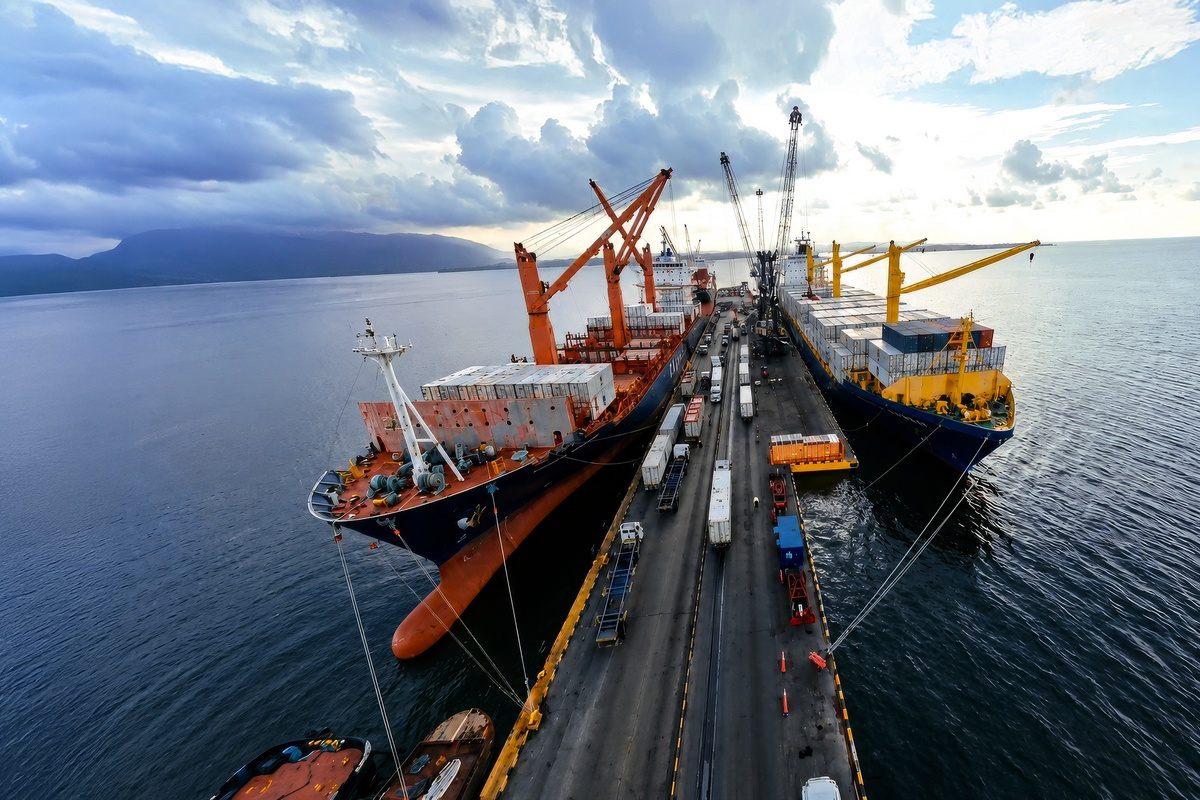
The continued import of goods that could be produced domestically has widened the trade deficit. Staple items such as rice, fish, meat, cooking oil, onions, potatoes, and coriander are being imported mainly from India and China. Despite repeated claims of boosting production through the utilization of fallow land and import substitution, tangible progress remains elusive.
Each year, the government announces ambitious plans in the national budget to increase production of rice, maize, vegetables, fruits, fish and dairy products. However, these plans largely remain confined to policy documents. Although some investment has increased in agriculture, the production of major food crops has failed to grow significantly.
In addition to agricultural stagnation, the lack of industrialization has further fueled import dependency. Within five months, Nepal’s trade deficit exceeded Rs 650 billion. According to the Department of Customs, the trade deficit reached Rs 649.68 billion during this period—an increase of more than 10 percent compared to last year. Total foreign trade amounted to Rs 882.69 billion.
Imports stood at Rs 766.18 billion, while exports were limited to Rs 116.50 billion. Although exports increased by 58 percent, imports also grew by nearly 16 percent, resulting in a continued widening of the trade gap. Despite a 20 percent growth in overall foreign trade, the trade deficit increased by 10.52 percent.
Major imported items by mid-December (Current FY):
Food grains: Rs 22.72 billion
Vegetables: Rs 14.89 billion
Fruits: Rs 11.89 billion
Food industry raw materials: Rs 10.79 billion
Tea and coffee: Rs 4.03 billion
Oilseeds: Rs 8.39 billion
Animal and vegetable fats and oils: Rs 63.14 billion
Source - https://myrepublica.nagariknetwork.com