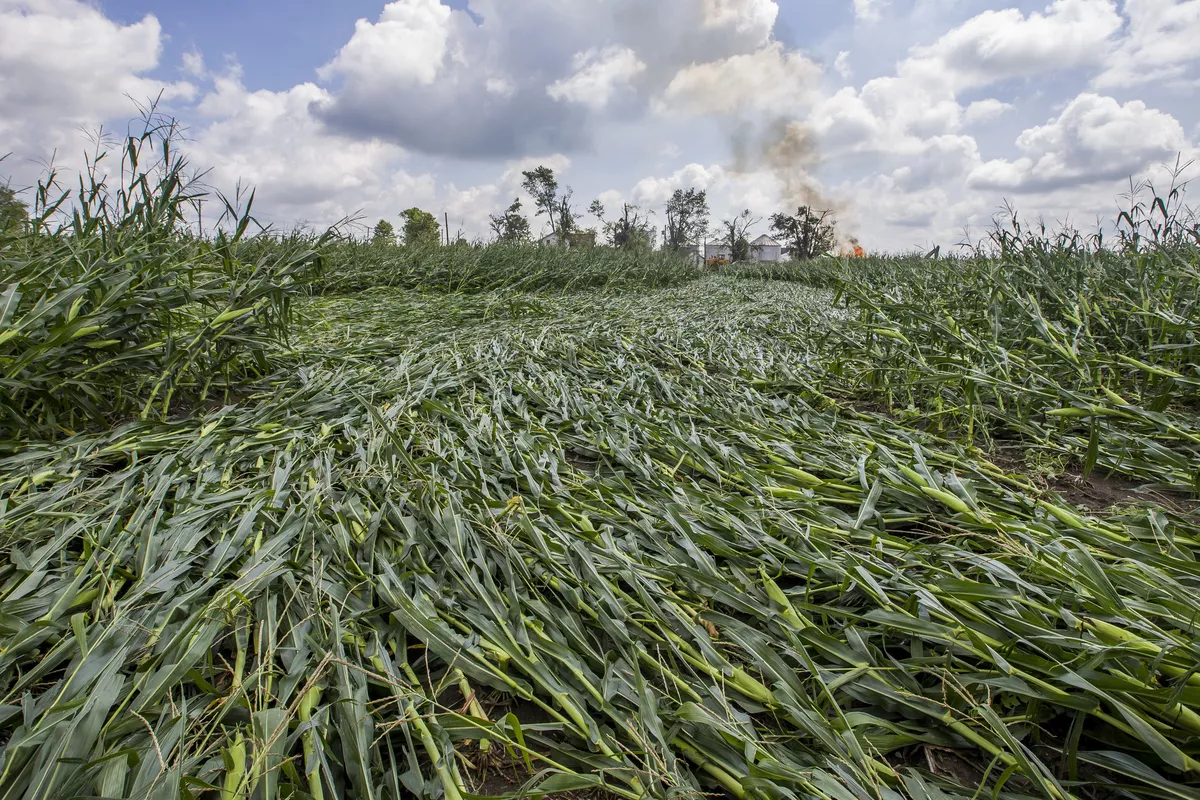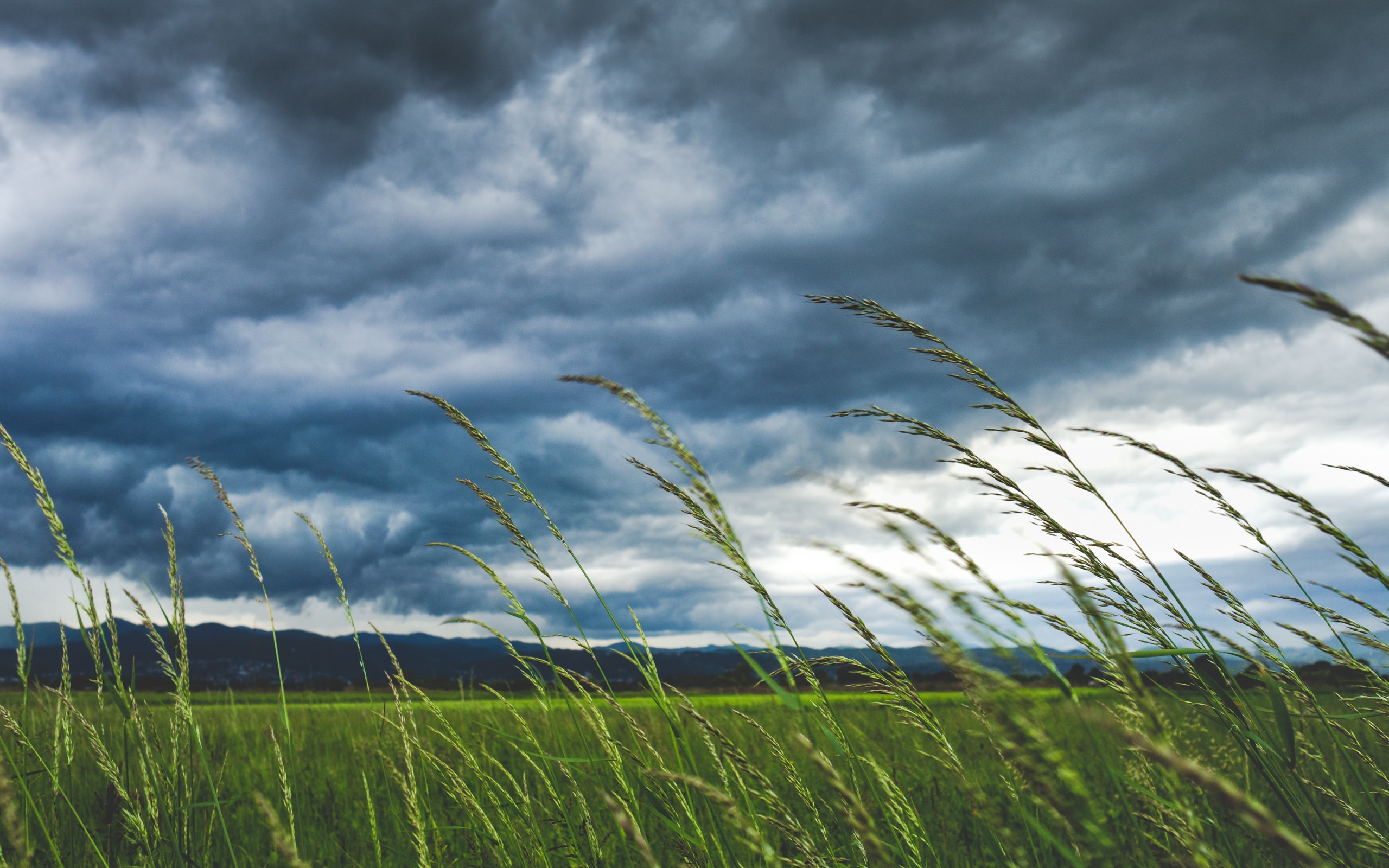
Producers from around southwestern and south-central Saskatchewan are dealing with the realities of not only the hot and dry weather but also grasshoppers that are out in full force.
According to the Ministry of Agriculture’s entomologist, James Tansey, the southwest region of the province is facing a severe grasshopper infestation, which could have a major economic impact.
With the recent warm weather and more expected in the week ahead, Tansey says that grasshopper populations could increase in the region.
“We do have damaging levels in some areas of adults,” says Tansey.
Roughly a month ago Tansey was in the Moose Jaw area collecting data of the nymphs or young grasshoppers. At that time, he said that the amount that he collected was low and as they grew wouldn’t be able to get to levels that would cause significant crop damage.
With new reports of crop damage emerging, he did mention that he could’ve missed pockets of flying adult grasshoppers.
He did want to squash a misconception around adult grasshoppers and that they don’t cause crop damage – they most certainly do.
“That’s the largest stage of these animals and they can be quite damaging. What’s problematic with these animals too is their excellent flyers and they can move huge distances. Some of the nymphs that were detected or not detected a month ago when I was sampling could have been adults that have flown from hundreds of kilometres away.”
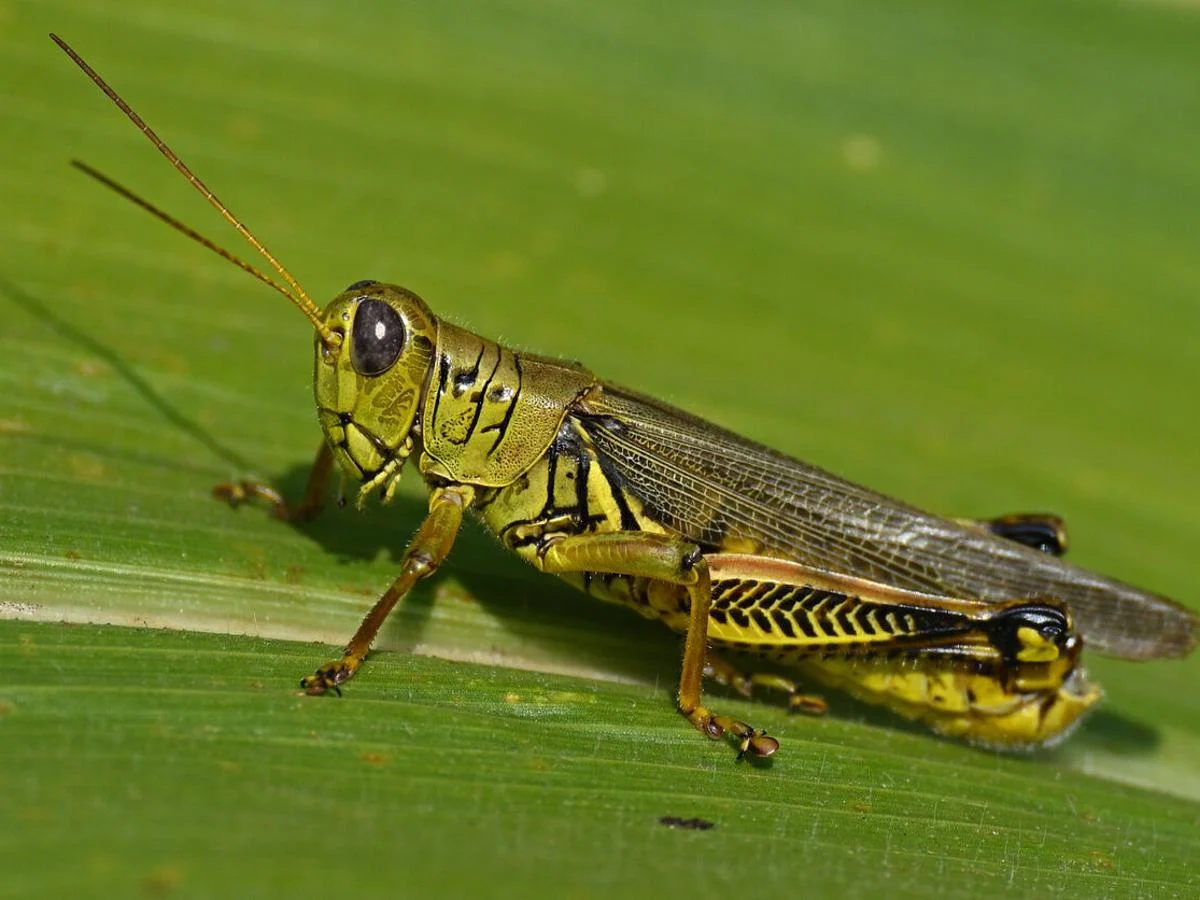
Tansey notes that the Migratory and Two-Striped grasshoppers can cover roughly 100 kilometres a day as adults.
With some of the increased grasshopper presence seen in the area, and with hotter and dryer weather in the forecast, he says that could be very problematic for growers.
As of Tuesday, Tansey says that reports of economic impact on crops in the Moose Jaw area have been relatively low.
Tansey recommends that farmers keep an eye on the stage of their crops, as that will depend on how much damage could be done by a grasshopper.
“Some of the crops because of the very dry conditions have really been held back. The possibility for grasshoppers to cause significant damage to those crops still exists. For those more mature crops keep an eye on the damage that grasshoppers are actually causing. Keep an eye on those [grasshopper] thresholds.”
In a ditch margin, is roughly 50 per square metre and in the field, you’re looking at about 30 per square metre.
Lentils and flax have a lower tolerance, which means that a lot of economic damage could be done by adult grasshoppers. Tansey estimates about two per square metre.
Soybeans and canola are hardier and can take more damage at about 14 per square metre.
To continue their development the grasshoppers, have to eat, and depending on the species tend to feed on crops that are popular in the province such as wheat, canola, and lentils, which can be detrimental to farmers.
Tansey hopes to return to Moose Jaw this weekend to take more samples, which will help with determining the exact grasshopper population within the region.
In Saskatchewan, there are four predominant species of grasshoppers that are economically important. Those species are the Clearwing, Two-Striped, Packard’s, and a Species Concept (includes four species that are closely related).
Tansey says that the Two-Striped grasshopper is the most predominant species in Saskatchewan. The females can grow up to an inch and a half long and stay in a lusher habitat but will feed off the heads of cereal crops such as wheat, corn, barley, and rye.
Source - https://www.discovermoosejaw.com