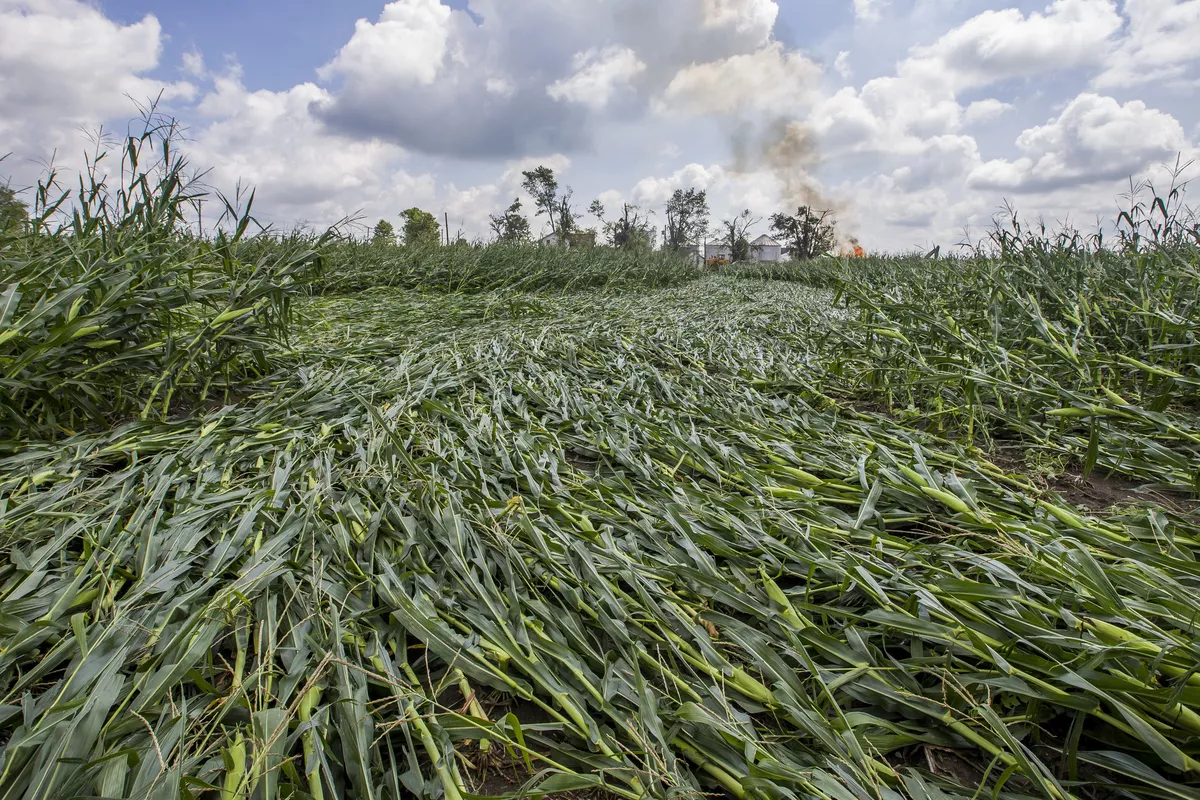
Multiple weeks of rain. Plantings being affected. Inconsistent supplies coming on. While this may sound like something some California growers experienced earlier this season, this isn’t about California, it’s happening in Nova Scotia, Canada.
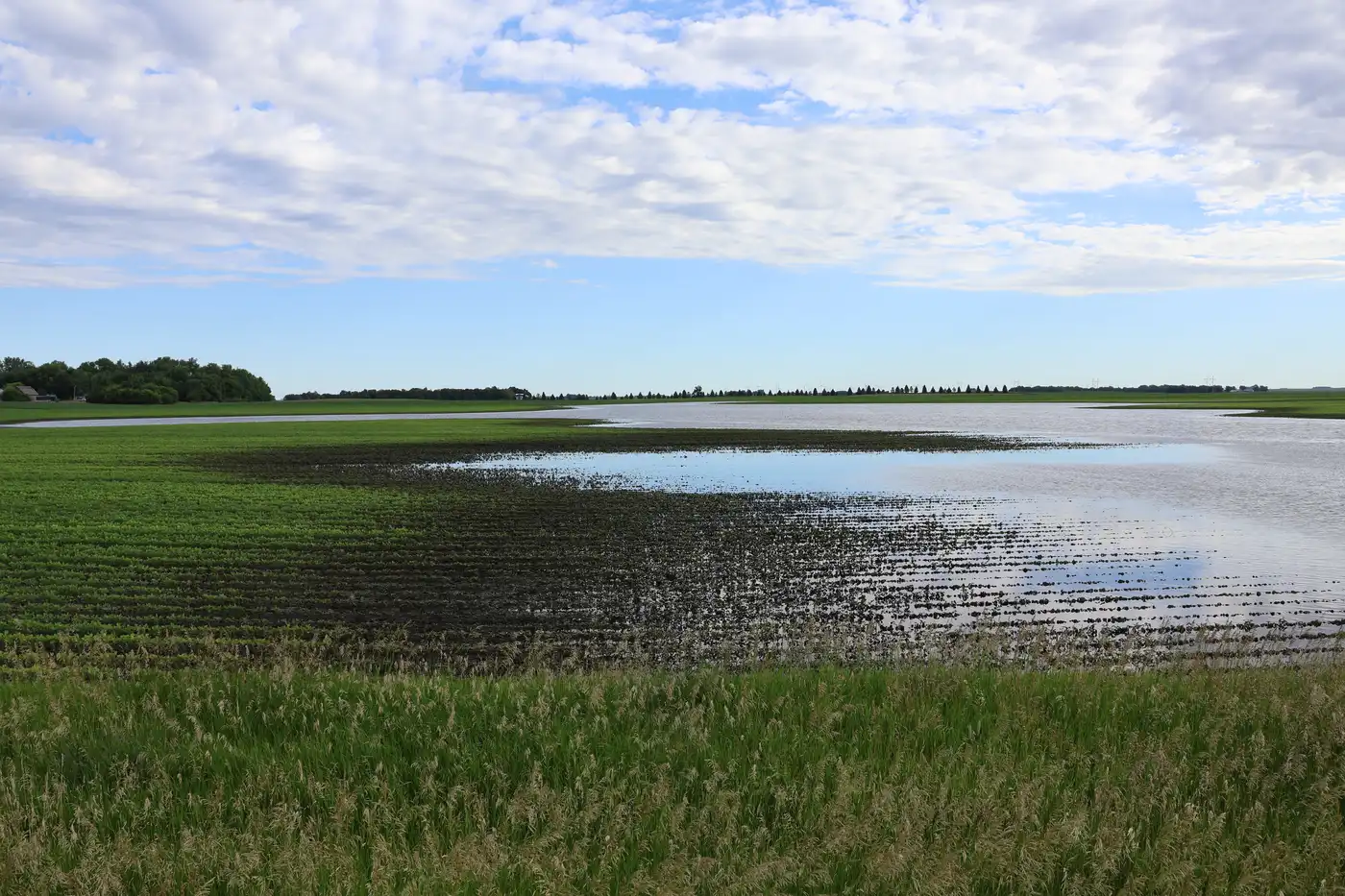
Andy Vermeulen of Vermeulen Farms Limited in Canning, Nova Scotia, says that things are very different this year growing-wise in the province. “In 30 years, I don’t think I’ve ever seen a year close to this one,” he says. This began with a serious drought early in the season in May. “However, for our crops, the real disaster started in June with the rain. We had 15 inches of rain in five weeks,” he says.
In turn, planting schedules were thrown off. Vermeulen Farms plants strawberries, lettuce, peppers, cucumbers, zucchini, and more. When planting, the grower transplants daily from its trays in the cooler, and when a break in the weather allowed for ground planting, ultimately that inconsistent planting schedule meant gaps in supply throughout the season.
Add to that the challenges with spraying and weed control, which weren’t getting done for a period of time. “When they did get done, we were mucking through the fields, and there’d be a big mud puddle in the wheel tracks. You lose those opportunities to do those operations, and basically, you lose the crop,” Vermeulen says.
This means that while it’s had lettuce in the ground throughout the season, the grower is currently harvesting lettuce that went in early July, and planting issues emerged, such as fertilizer leaching. “We’re seeing aster yellows like we have never seen before, and it’s a reminder that there were times we couldn’t get in to spray,” he adds.
In all, there’s a sense of lost opportunities for Nova Scotia growers. “You miss any of those, then you’re not there when the market is there, and that’s another opportunity missed. Or everything bunches up, and you don’t have a market for it that’s relevant,” he adds. While lettuce was the main crop affected (though strawberry growers also largely lost crops earlier this year), peppers, cucumbers, and zucchini all bunched up and created strong supplies. “Even now, we have tons of peppers on the plant that we should have harvested two weeks earlier,” says Vermeulen.
Source - https://www.freshplaza.com