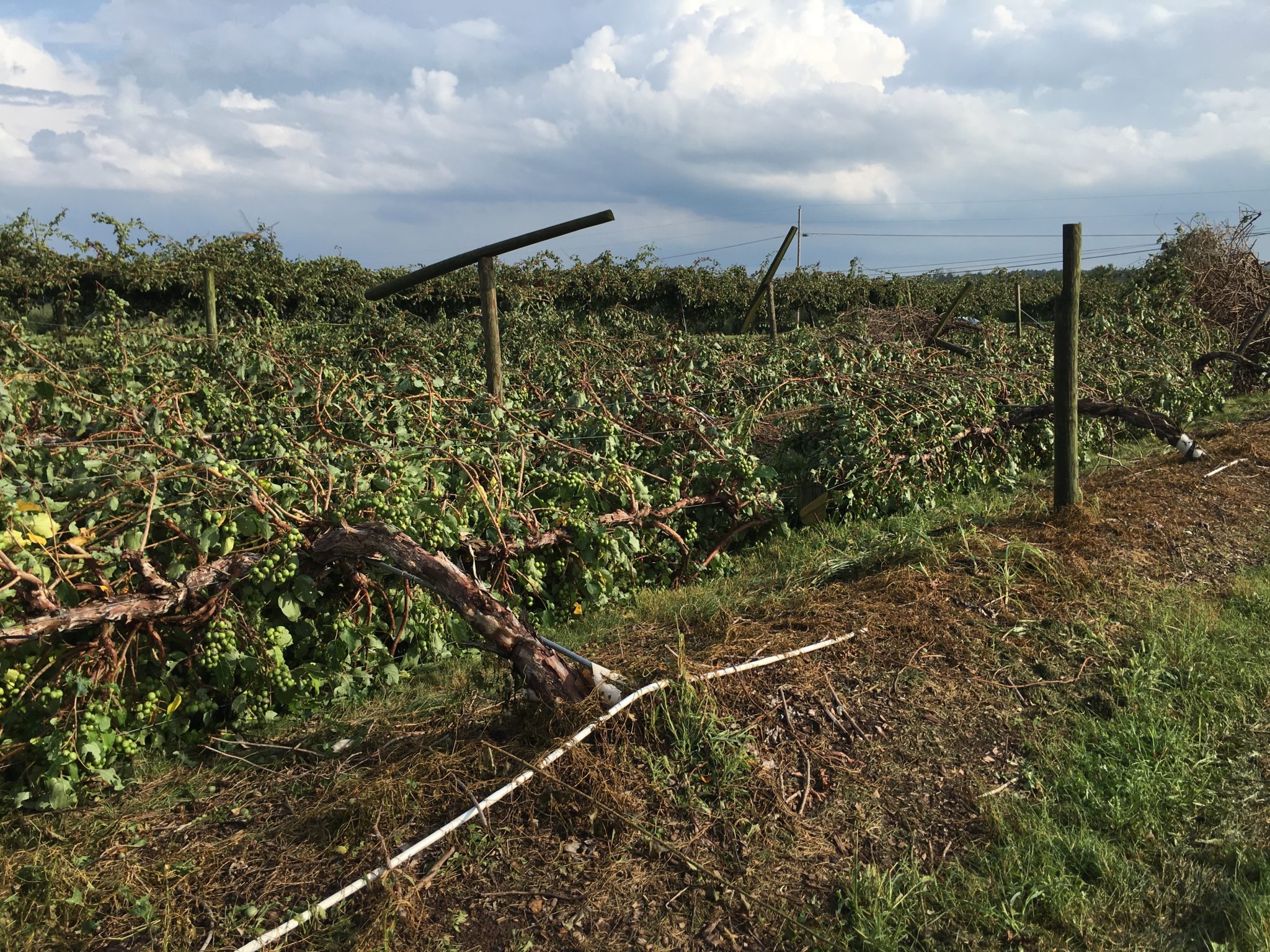
After a huge setback thanks to post-tropical storm Fiona last September, apple farmers on P.E.I. are anxious about what might happen with Hurricane Lee this weekend.
Geoff Boyle, president of the P.E.I. Tree Food Growers Association, as well as general manager of The Grove Orchard and U-Pick in Warren Grove, says he's "a little anxious and nervous" about what the tropical storm system will bring.
"The nervousness is [over] a substantial storm that potentially would hit … now when the trees are still quite full."
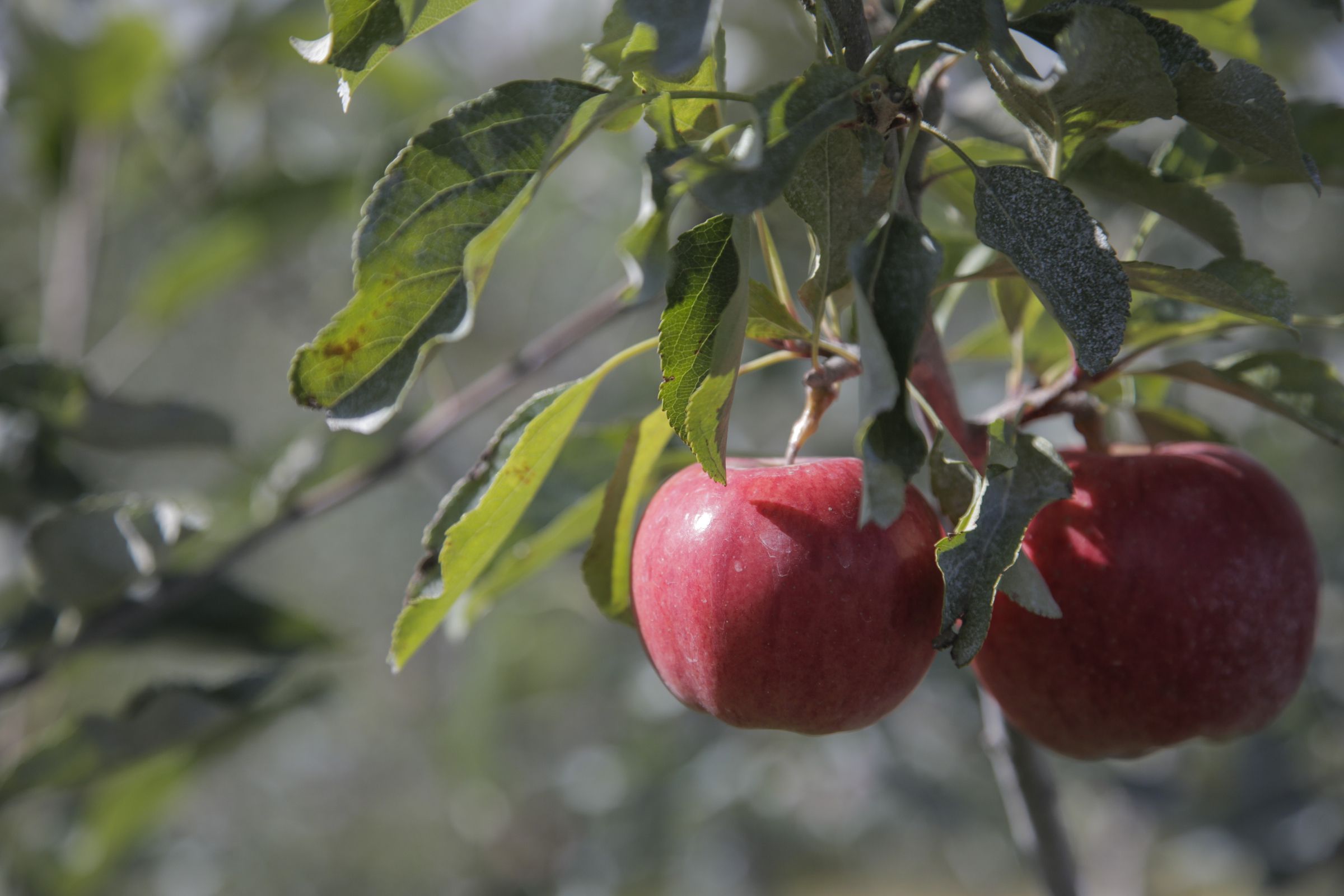
Lee is not expected to have anything like the impact Fiona did last year, but it could still bring winds gusting around 80 kilometres an hour at a time when the trees are full of heavy fruit and thus vulnerable.
Most apples on P.E.I. are not yet ready for harvest. (Stacey Janzer/CBC)
Loss of one year's crop is one thing, said Boyle; loss of entire trees is another.
Apple farming on the Island has grown rapidly over the last decade, from fewer than 100,000 trees to about 600,000. But Fiona knocked down about 100,000 trees last year.
Boyle said farmers gained some lessons from that experience.
"Last year, when we did have substantial tree loss, part of the factor was some trellis failures — wires that were loose and so on — that basically allowed the tree to swing back and forth to the point where it actually snapped," he said.
While adjustments to trellises could save some trees this time around, there is not much to be done about the crop.
A few varieties are ready to pick, and rapid harvesting this week with a focus on the tops of trees could save some of the crop, but most of the more popular varieties are still weeks from being ripe. There is nothing to do there but hope for the best, Boyle said.
Costly preparations
The P.E.I. Federation of Agriculture has been working with farmers on long-term preparations for the impacts of climate change, including the expectation of more tropical storms hitting the Island.
Adapting for climate change will be expensive, says Megan Moynagh.
The federation is working on resiliency plans for all crops, potentially including recommendations that growers invest in new crop varieties. Those changes, in addition to the damage caused by the storms themselves, are going to be expensive, said Megan Moynagh, a climate action specialist with the federation.
"Costs for production are going up," said Moynagh. "These added damages and infrastructure that needs to be put in place to adapt does feed into the farmers' costs and the prices."
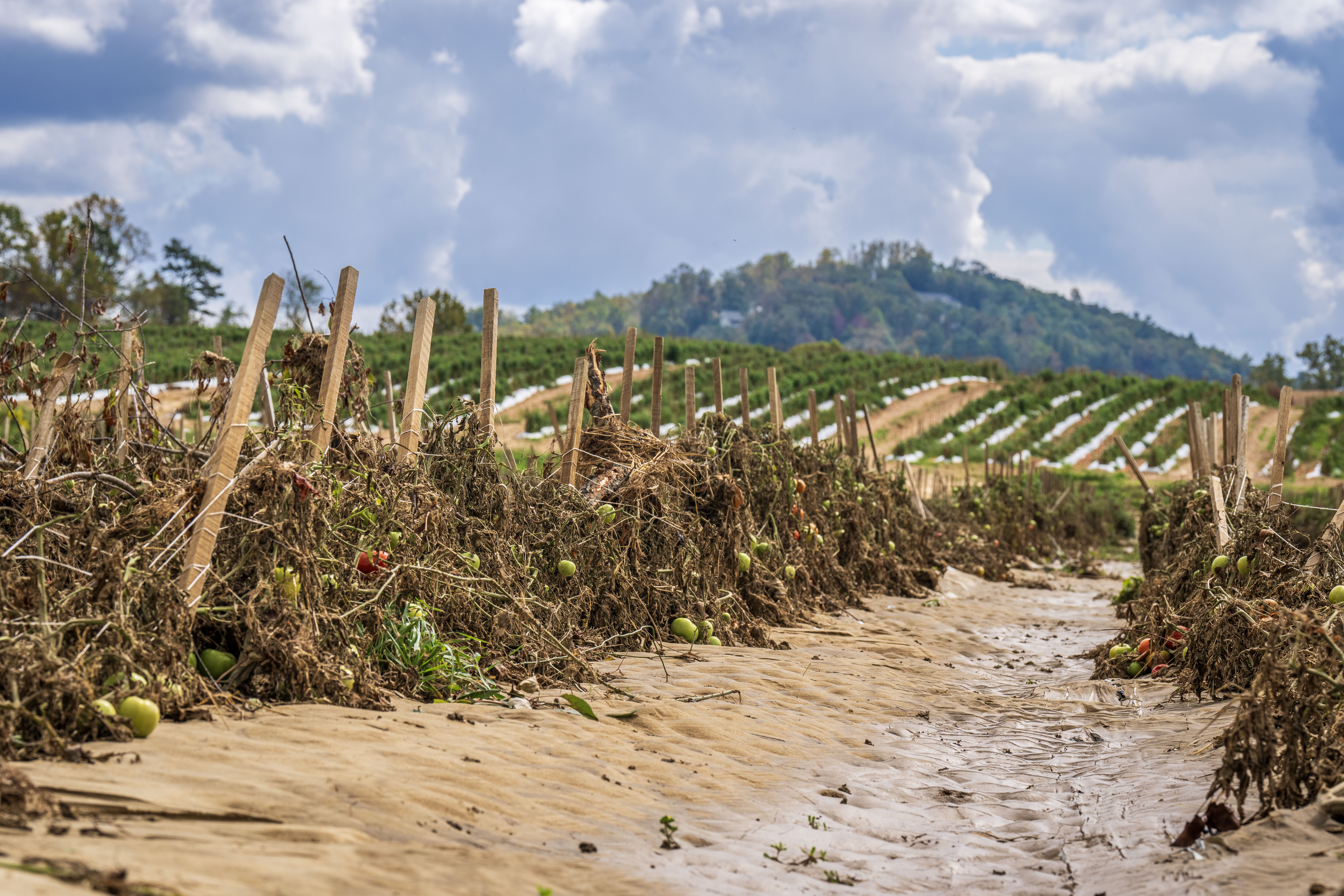
The coming storm could have an impact beyond apples, she said. Potatoes could also be damaged in some fields if rain causes excessive flooding.
Source - https://ca.news.yahoo.com