Approval adds a new risk-management tool for crop and livestock operations.
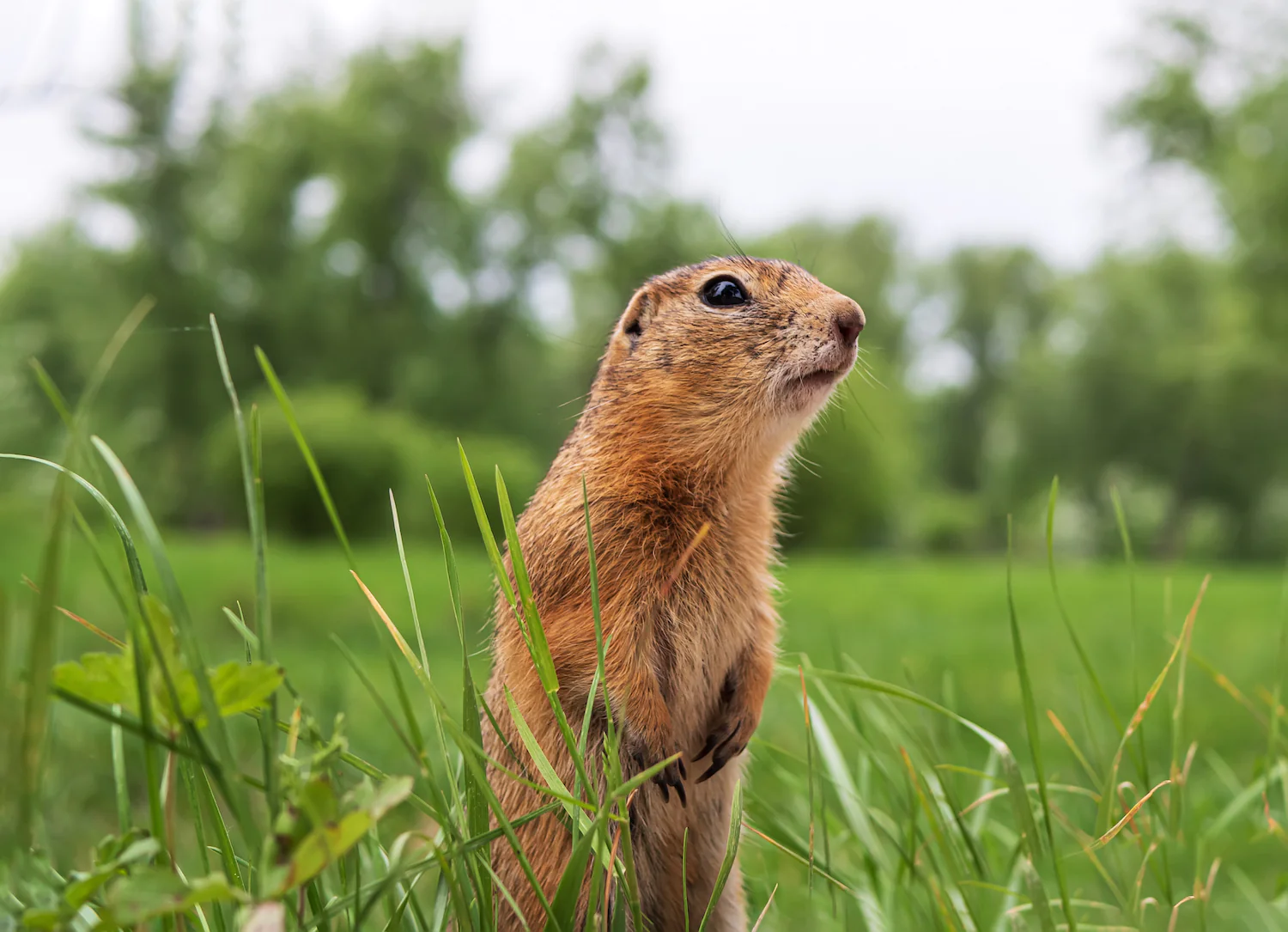
Producers in the Moosomin area are now eligible to access 2% liquid strychnine for controlling Richardson’s ground squirrels (RGS) after Saskatchewan and Alberta received approval for a revised joint Emergency Use Request from Health Canada’s Pest Management Regulatory Agency (PMRA).
The Moosomin area is one of seven crop districts in Saskatchewan that are eligible under the Emergency Use Registration, authorized under the Pest Control Products Act. Eligible areas span southwest, southeast, south-central, and northwest Saskatchewan, identified using Saskatchewan Crop Insurance Corporation claims data and species-at-risk information.
The revised request, submitted last week, followed collaboration between provincial and federal governments. It included enhanced stewardship and environmental safeguards, such as a refined geographic scope, increased monitoring, carcass collection and disposal requirements, and mandatory training. The federal authorization allows strychnine use in both provinces until November 2027, subject to PMRA conditions.
An earlier emergency request for 2026 had been denied by the PMRA, citing environmental risks and insufficient mitigation measures. Saskatchewan’s government publicly expressed disappointment at the initial decision, stating the request included strengthened safeguards intended to address regulatory concerns. The denial delayed access for producers and sparked calls for a reassessment of risk and stewardship measures.
Agriculture Minister David Marit welcomed the decision. “Saskatchewan producers have been clear about the challenges they face in managing gophers with the limited tools currently available,” he said. “We are pleased to see the emergency use request granted as a practical opportunity for producers to demonstrate how strychnine can help protect their crops and pastures. We hope to see strychnine reinstated permanently in the future.”
Saskatchewan Association of Rural Municipalities president Bill Huber called it a long-awaited development. “(SARM) has been calling for a practical solution on strychnine for a long time, so today’s announcement is a significant win for our members,” he said.
Saskatchewan Stock Growers Association president Jeff Yorga applauded the government for a “common-sense, made-in-Saskatchewan solution to the ongoing gopher infestation.”
Sask Wheat board chair Jocelyn Velestuk, a producer from Broadview, said emergency registration provides a critical tool to mitigate crop damage. Saskatchewan Pulse Growers board chair Stuart Lawrence said it fills a gap in available options, while SaskCattle Association chair Chad Ross highlighted the economic toll RGS has had on livestock producers.
SaskBarley chair Cody Glenn said the revised registration demonstrates responsible use is possible while protecting wildlife. SaskOilseeds research manager Doug Heath described the controlled registration as striking the right balance between effectiveness and environmental safeguards.
Saskatchewan said it will continue to support producers outside eligible areas through extension efforts, the Gopher Control Program, and Saskatchewan Crop Insurance Corporation programs.
Source - https://www.insurancebusinessmag.com