Financial support remains essential to sustain agriculture in Europe's remote and island regions, but its impact on competitiveness and diversification varies strongly by sector and region. This is one of the conclusions of a new report by the European Court of Auditors (ECA).
Each year, the EU allocates up to €653 million through the POSEI program, which is specifically designed to address the needs of the EU's outermost regions. POSEI is complemented by other policy instruments outside the Common Agricultural Policy (CAP), including cohesion policy, state aid, and trade measures.
POSEI applies to the outermost regions of three EU Member States: France (Guadeloupe, Martinique, French Guiana, Réunion, Saint Martin, and Mayotte), Spain (the Canary Islands), and Portugal (the Azores and Madeira). The main traditional agricultural sectors in these regions include bananas, sugar and sugar cane, dairy, meat, and tomato production.
Most POSEI funding is directed at traditional agricultural sectors, with the aim of supporting their development and strengthening competitiveness in terms of production, quality, and price. According to the report, POSEI has helped the banana sector overall and the dairy sector in the Azores to remain competitive. However, the support has not been sufficient to maintain the competitiveness of tomatoes in the Canary Islands or sugar in the French outermost regions. Strong competition from non-EU countries has led to a loss of market share for these products.
Most banana profits go to intermediaries, not producers
The banana sector, which receives the largest share of POSEI funding, was allocated €277 million in 2023, accounting for 42% of the total POSEI budget. In the French outermost regions, this support is concentrated among a limited number of large producers. In some EU outermost regions, support allocations even take into account production losses or volumes withdrawn from the market.
Although bananas grown in the EU achieve higher retail prices than imported bananas, most of the profits accrue to intermediaries. Producers themselves often struggle to cover their production costs.
The sugar and sugar cane sector, which is economically important for the French outermost regions, performs well in terms of social and circular economy aspects, but lags behind in financial sustainability and competitiveness. Tomatoes, once a key traditional sector in the Canary Islands, have experienced a sharp decline in production and exports despite EU support. In contrast, POSEI has helped the dairy sector in the Azores to remain competitive and keep production stable.
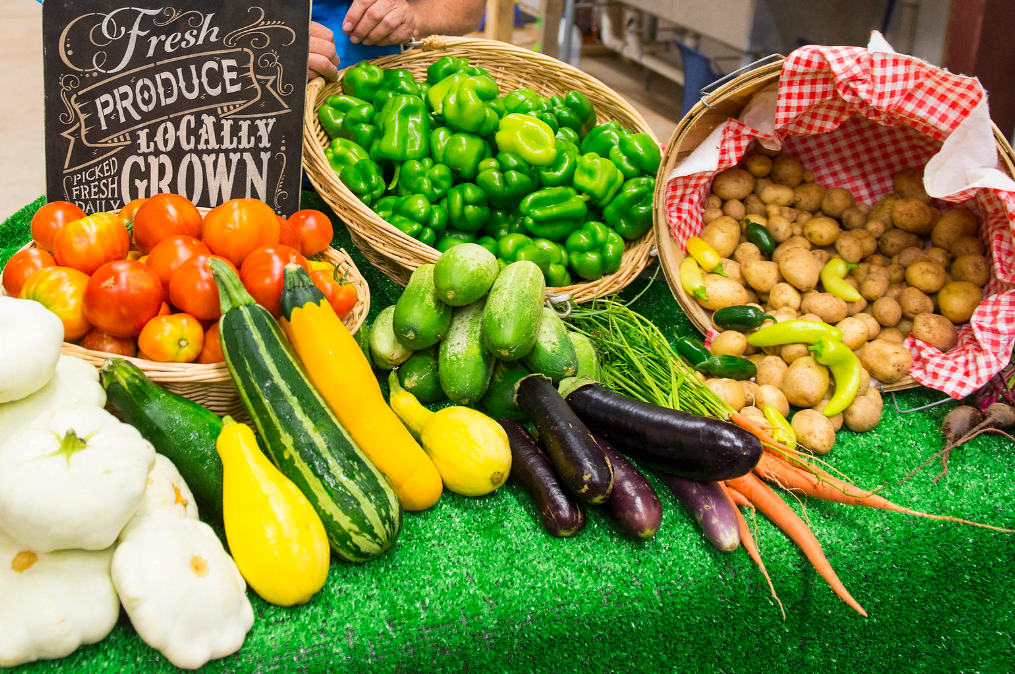
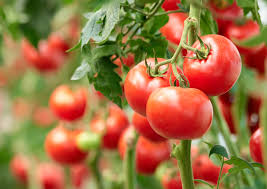
Tomatoes in the Canary Islands
In 2023, approximately 21,500 tonnes of tomatoes from the Canary Islands were sold outside the region, compared with 53,000 tonnes in 2017, representing a decline of 59%. EU support for tomato producers also fell over this period, though to a lesser extent: from €7.7 million in 2017 to €6.7 million in 2023. The report identifies competition from Morocco as a key factor behind the decline of tomato production in the archipelago.
Since 2021, POSEI has supported producers in switching from tomato cultivation to other crops. However, between 2021 and 2023, the agricultural area used for tomato production decreased by 170 hectares, of which only 35 hectares received support for conversion.
According to the auditors, the difficulty of switching crops is partly linked to the specific climatic conditions in the Canary Islands, which limit alternative production options. Nevertheless, the continued decline in cultivated area, production, and exports indicates that the objective of making the tomato sector more competitive has not been achieved.
Aging and climate adaptation
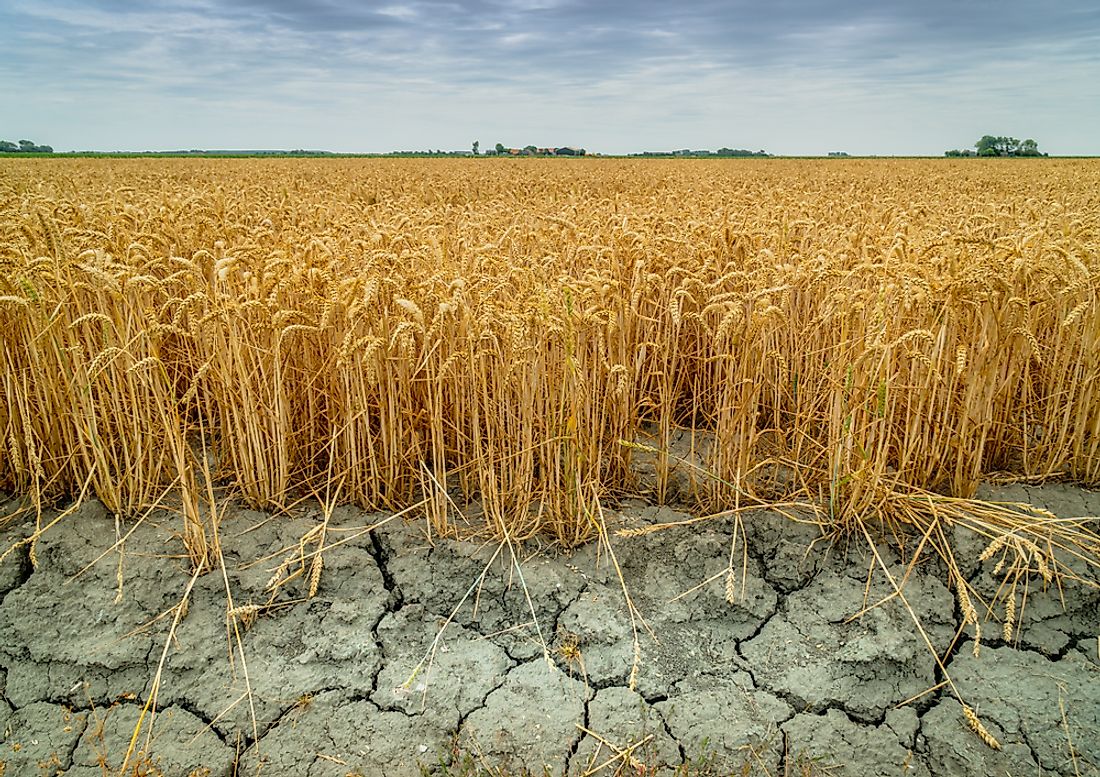
Nevertheless, the long-term future of these sectors is under pressure from environmental, climate, and demographic challenges in the outermost regions. In large agricultural areas dominated by permanent crops, soil health is being undermined by a lack of crop diversification and crop rotation. The auditors note that POSEI programmes pay insufficient attention to climate adaptation, despite the increasing risks posed by extreme weather events such as cyclones and prolonged droughts. In addition, the ageing farming population is adding further pressure on the sector.
The auditors call on the European Commission to reassess EU support for traditional agricultural activities in the outermost regions. They also recommend promoting greater diversification in crop and livestock production and improving the assessment of whether import support actually benefits end users.
According to the report, it has been more than 15 years since the last effectiveness audit of the POSEI program was carried out.
Source - https://www.freshplaza.com