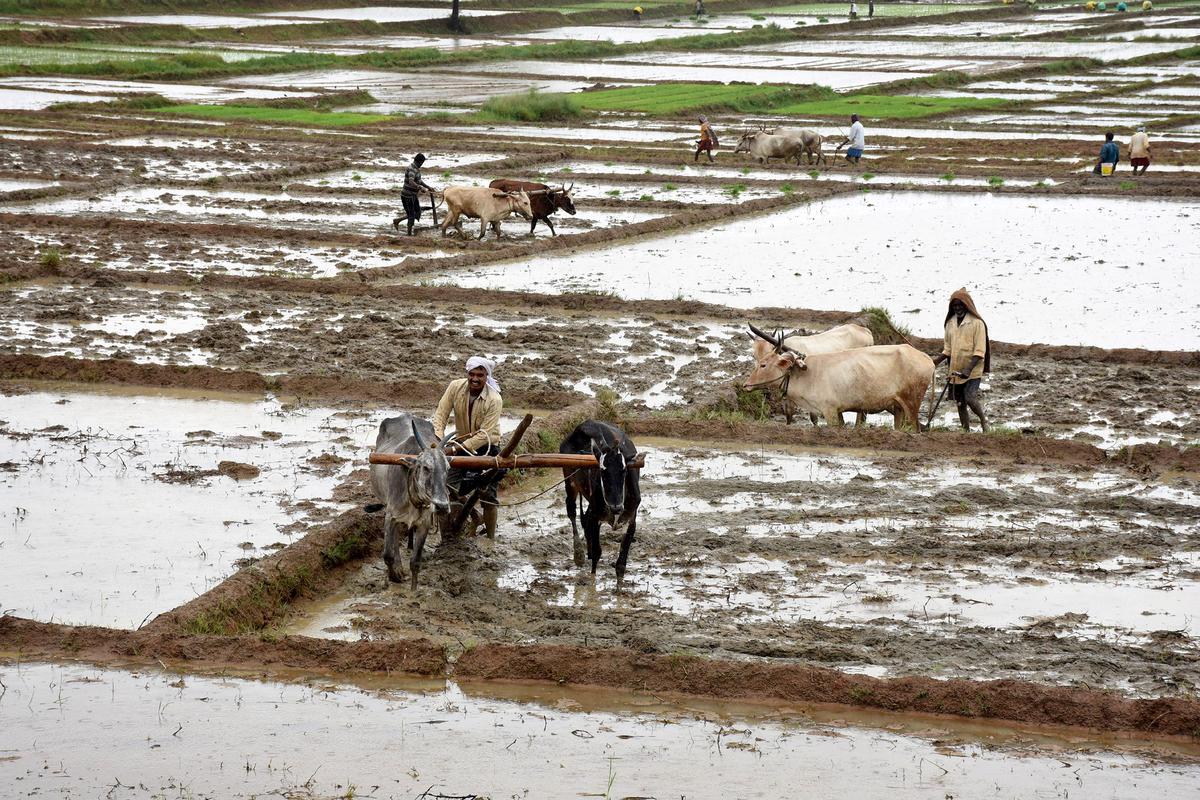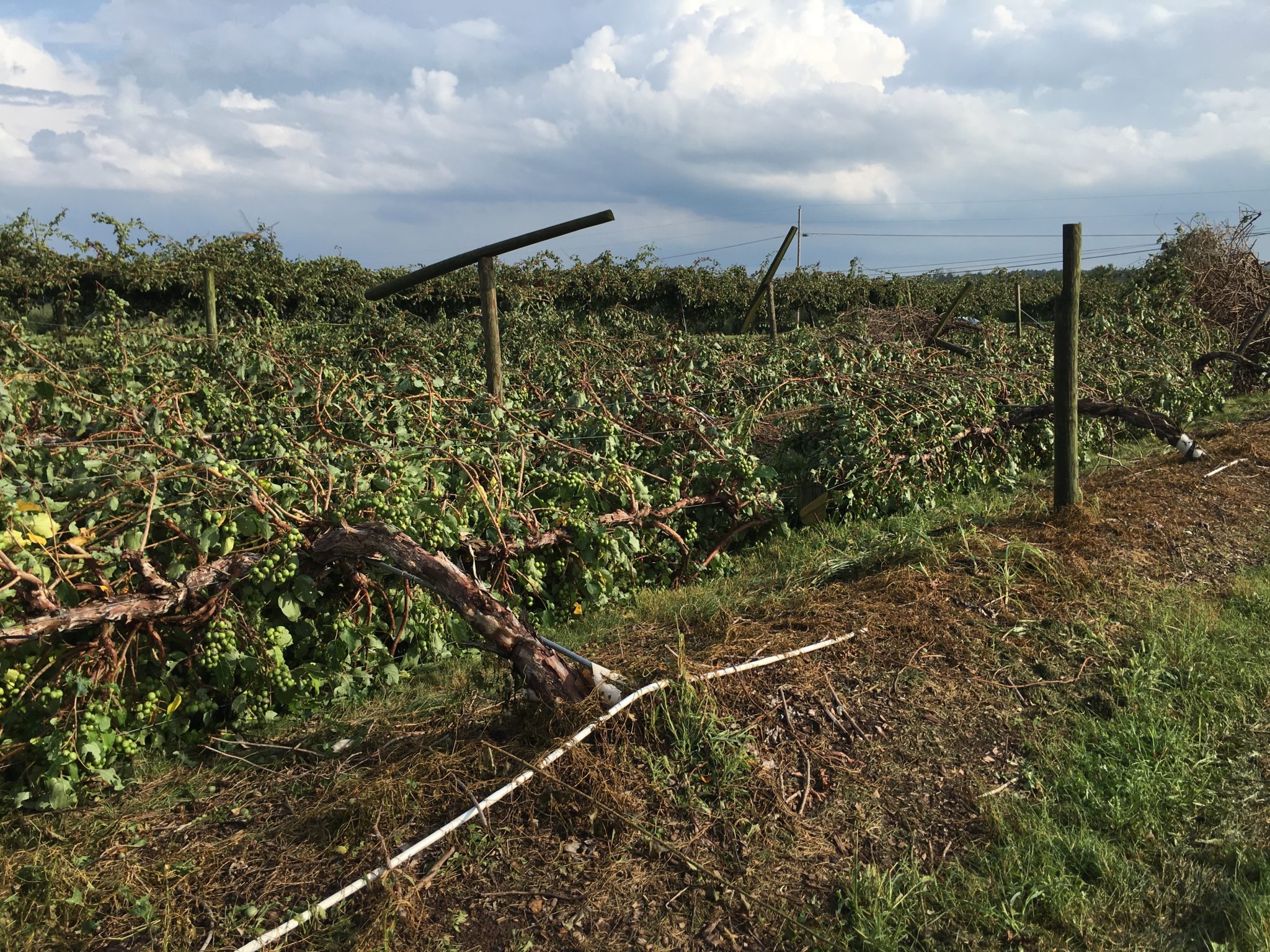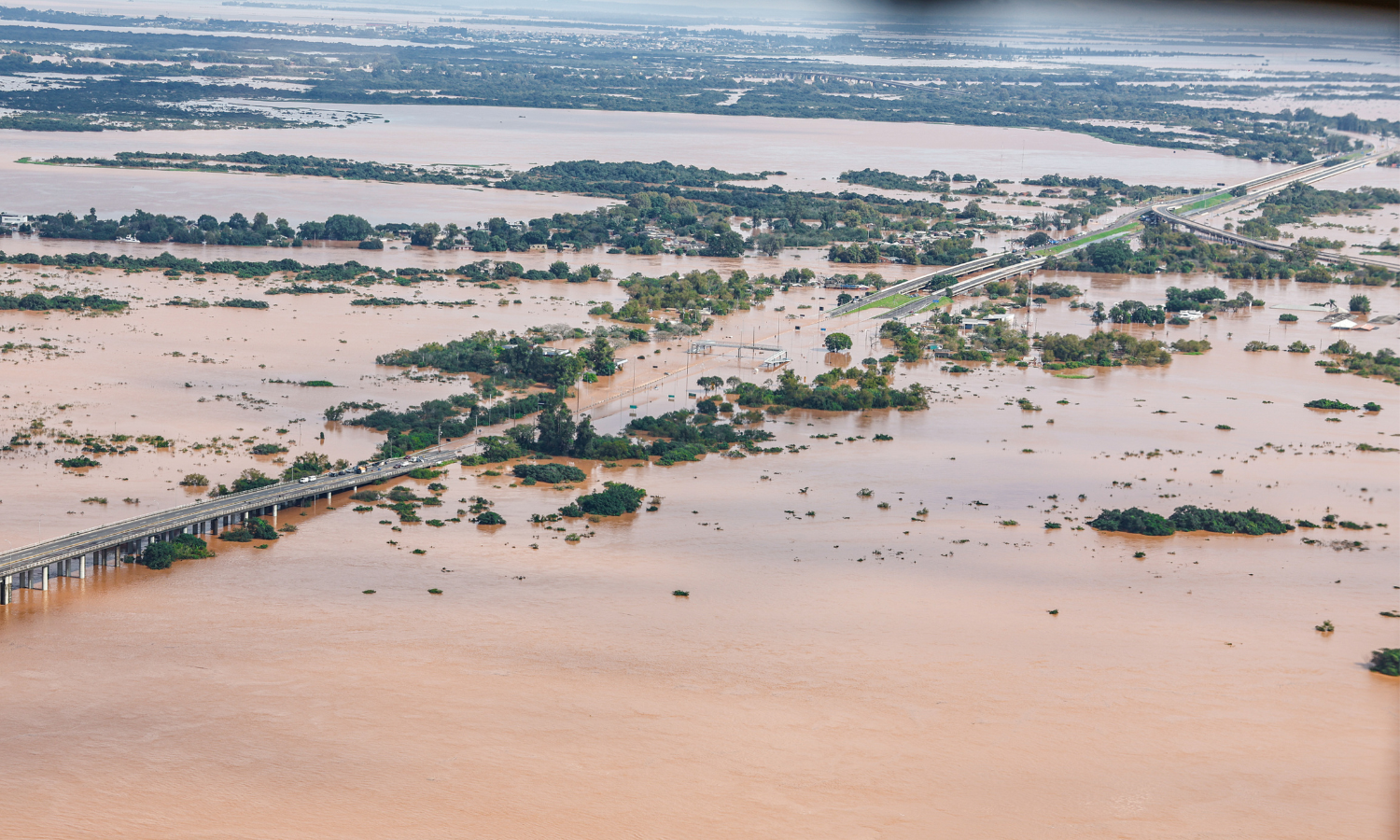
Record rainfall in May 2024 in Rio Grande do Sul, Brazil’s southernmost state, has caused destructive flooding that is wreaking havoc on the country’s agricultural and livestock sectors. The flooding demolished food storage, stalled harvests, and damaged soils. Destroyed or obstructed infrastructure is also limiting food transportation and farm operations.
Governor Eduardo Leite describes the rainfall as one of the worst climate catastrophes in the state’s history. Locals expected rain, but the magnitude and consequential devastation “was not…predicted,” Paulo Brack, a Professor at the University of Rio Grande do Sul Institute of Biosciences and General Coordinator of the Gaucho Institute of Environmental Sciences, tells Food Tank.
Brazil is a top-5 producer of 34 agricultural commodities and the world’s largest agricultural net exporter, the U.S. Department of Agriculture (USDA) reports. Since 2000 Brazil has doubled the value of its agricultural output and tripled its livestock production, according to the Agency. And by 2031, it is expected that Brazil will bring an additional 20 million hectares of cropland into production, which the USDA says would be among the fastest rates of cropland expansion in the world.
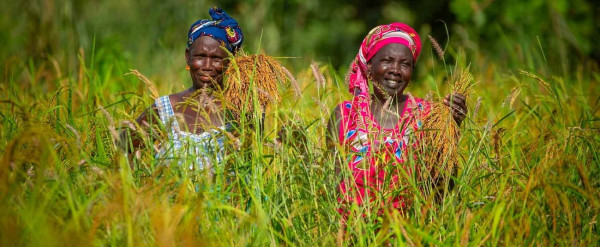
Rio Grande do Sul contributes significantly to Brazil’s agricultural output, producing 14 percent of Brazil’s soy, 70 percent of rice, and 73 percent of oats. The state is Brazil’s top summer corn producer, and produces 11 percent of Brazil’s pork and 20 percent of Brazil’s poultry, according to the Brazilian Animal Protein Association.
“The inundated state of Rio Grande do Sul is one of the biggest soy-producing regions in Brazil, as well as its main rice-growing area, and both crops are expected to suffer from the historic flooding,” Joana Colussi, a Postdoctoral Research Associate and Instructor in the Department of Agricultural and Consumer Economics at the University of Illinois, tells Food Tank. “Part of the crops will rot and be lost; others will have lower yields than expected.”
The USDA reports that anywhere from 4 to 20 percent of the state’s soybean crop remains unharvested. And the Instituto Rio Grandense do Arroz estimates that only 84 percent of rice crops had been harvested when the rains began. Floods demolished tens of thousands of hectares of what farmers were forced to leave behind. To ensure adequate supply and prevent price fluctuations, Brazil has temporarily suspended import tariffs on rice.
As water levels rose, many farm animals also died. Local pork producers lobby ACSURS estimates that 12,600 pigs died in the floods and local poultry farmers report at least US$5 millions of losses from loss of life alone.
Julia Catão Dias, a Specialist in the Sustainable Consumption Program at the Institute for Consumer Protection, tells Food Tank that the large-scale destruction will be especially felt by family farms. Many of them, she says, have not only lost crops, tools, and equipment, but also their homes.
The floods’ effects may persist. Soaked soils will complicate planting next season’s crops and farmers may be forced to shift to other crops while the soil recovers, says Silvia Massruhá, President of the agricultural research agency Embrapa.
The flooding also severely damaged the state’s infrastructure, impeding crop transport and livestock sector operations. The rains destroyed roads, bridges, and highways, and those that remained intact were heavily obstructed. Rumo, a railway operator in Brazil, suspended rail service to major ports, causing export bottlenecks and increased reliance on trucks for food transport. Floods caused 100 blockages across 58 roads and bridges and alternative routes are forcing trucks to travel hundreds of extra miles, increasing freight cost and time.
Transportation interruptions have taken a particular toll on the pork and poultry sectors. Blocked roads obstructed the transport of animal feed, water, and employees, forcing 10 processing facilities to suspend operations.
And Dias tells Food Tank that product shortages, disrupted production, and increased logistical costs will put “pressure on prices, contributing to food inflation in Brazil.” Given the state’s national contribution across several commodities, expected losses, and possible effects on the upcoming season, the USDA forecasts increased domestic food prices.
The National Confederation of Municipalities preliminarily estimates losses over US$245 million in the agricultural and livestock sectors, and Brazil’s prominence in the global agricultural sector suggests that effects may reverberate around the world. And future soybean contracts negotiated at the Chicago Board of Trade have already been impacted, reports the USDA.
In the aftermath of the floods, Brazilian President Luiz Inácio Lula da Silva is prioritizing helping victims, while also highlighting the need for Brazil to better prepare for climate change and extreme weather events.
Source - Foodtank.com