Chile - Estimate for avocado production down by 18.2% in 2022/23

21.11.2022 771 views

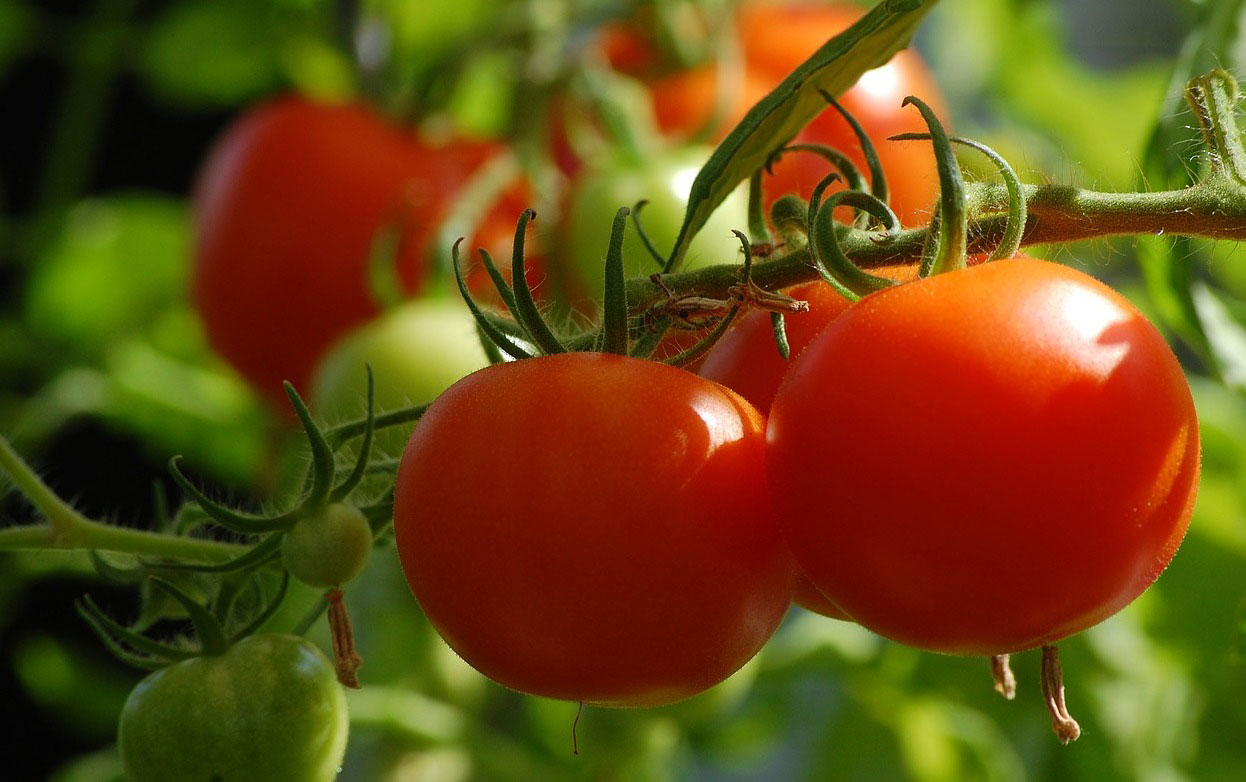
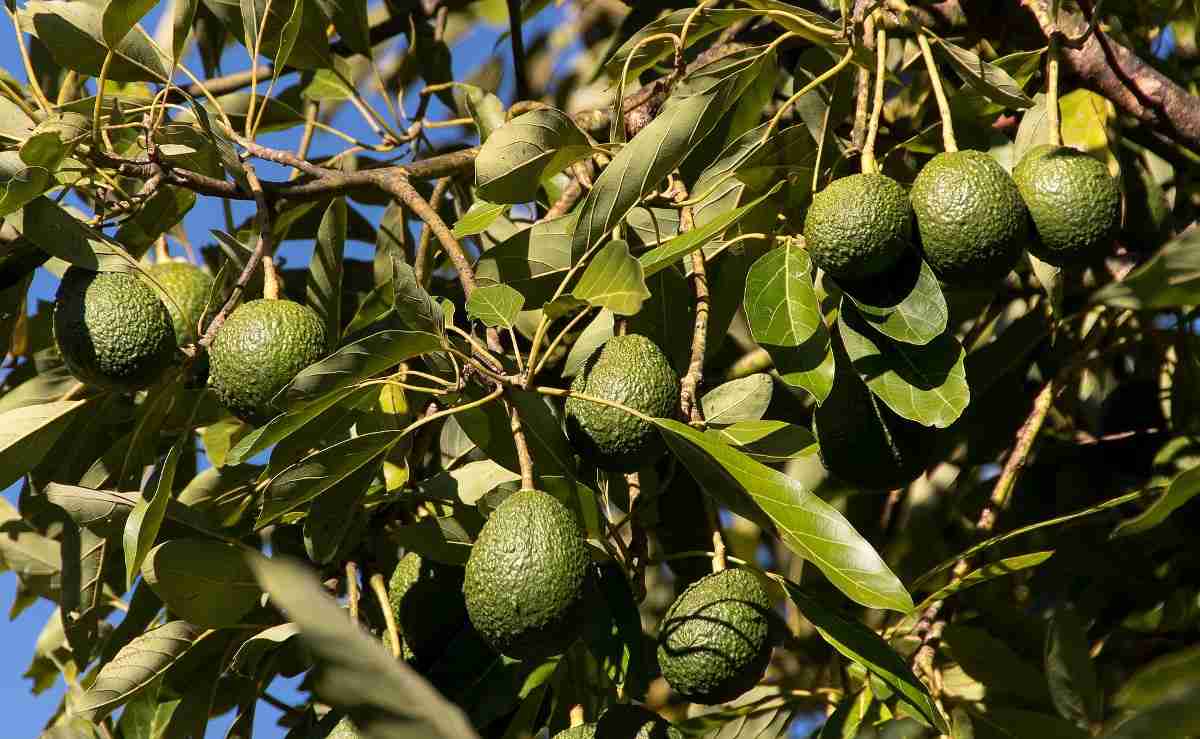
In marketing year (MY) 2022/23, Post estimates that avocado production will decrease by 18.2 percent from MY 2021/22, totaling 180,000 metric tons (MT) due to frost. Chilean domestic avocado consumption will reach 105,000 MT in MY 2022/23, a five percent increase over MY 2021/22. In spite of a slightly tighter market, avocado prices remain relatively steady at around $4.00 per kilogram. The top export destinations for Chilean avocado are the Netherlands, Argentina, and the United Kingdom. During the offseason, between March to June, the top supplier of avocado to Chile is Peru.

Production
In MY 2022/23, from July 2022 to June 2023, Post estimates that avocado production will total 180,000 MT, an 18.2 percent decrease from MY 2021/22. This decrease is attributed to frost in the production
area at the beginning of the marketing year. In MY 2021/22, Chile produced 220,000 MT of avocado, a 57 percent increase over MY 2020/21. This increase was attributed to favorable climatic conditions and a successful setting of the fruit.

Chilean avocado area planted reached 32,363 hectares (ha) in calendar year (CY) 2021 (Figure 1). The Valparaíso region is the main avocado production region with 20,318 hectares planted, representing
62.8 percent of total avocado area. Avocado area planted in the Valparaíso region grew by 6.2 percent between 2017 and 2020 (Table 1). The Metropolitan, Coquimbo, and O’Higgins regions also hold
important shares of the avocado area. However, the avocado area planted in the Metropolitana region decreased by 5.9 percent because other crops like cherries, walnuts, citrus and olives are more profitable
and less demanding of scarce water for irrigation. In the O’Higgins region area planted grew by 167.9 percent, totaling 3,631 hectares. Post does not expect large shifts in area planted and estimates total area to reach 33,000 hectares in MY 2022/23 since the increase in the O’Higgins region will be offset by a decrease in the Metropolitana region.

Source - https://www.freshplaza.com

15.12.2025

India - Delayed crop loss survey keeps Cauvery delta farmers in limbo

Nearly 90,000 hectares of samba and thalady crops are submerged, raising fears for the next cultivation cycle.

15.12.2025

Romanian farmers to get financing support with €25 million EIB loan to Agricover Credit

Romanian farmers will be eligible for extra financing as a result of a €25 million loan that Agricover Credit IFN SA is receiving from the European Investment Bank (EIB). 

15.12.2025

UAE launches AI ecosystem to boost global agricultural resilience

The United Arab Emirates has launched an AI-powered agricultural ecosystem, partnering with global institutions to help farmers adapt to climate change and food security challenges.

15.12.2025

Bulgaria Opens €278M CAP Grant Calls for Farm Investments in Vulnerable Sectors

CAP Investment Support Calls Open in Bulgaria

15.12.2025

India - Maize Farmers in Bihar’s East Champaran Hit by Crop Diseases After Floods and Drought

Farmers in eastern Bihar say fungal and bacterial infections are damaging young maize plants, raising fears of yield losses after a season already disrupted by floods and drought. 

15.12.2025

Farmers’ Revolt in Greece Intensifies Amid State Repression

Greek farmers have escalated nationwide protests in December 2025, deploying thousands of tractors to block major highways, borders, ports, and even airports like Heraklion in Crete. 

14.12.2025

USA - USDA launches $700 million pilot to expand regenerative agriculture

The U.S. Department of Agriculture on Wednesday unveiled a $700 million pilot program to help farmers adopt regenerative agriculture practices aimed at improving soil health, water quality and long-term farm productivity while strengthening the nation’s food supply.

14.12.2025

South Africa - Hail and flooding demand critical crop insurance safety net

A single storm can wipe out a season's work. With climate change creating new hail hotspots, as seen across four South African provinces recently, the threat is less predictable than ever.