Chile declares agricultural emergency in 14 communes in Maule Region

02.11.2026 147 views

Measure will trigger support mechanisms for growers and residents affected by recent heavy rainfall, hailstorms, and strong winds.

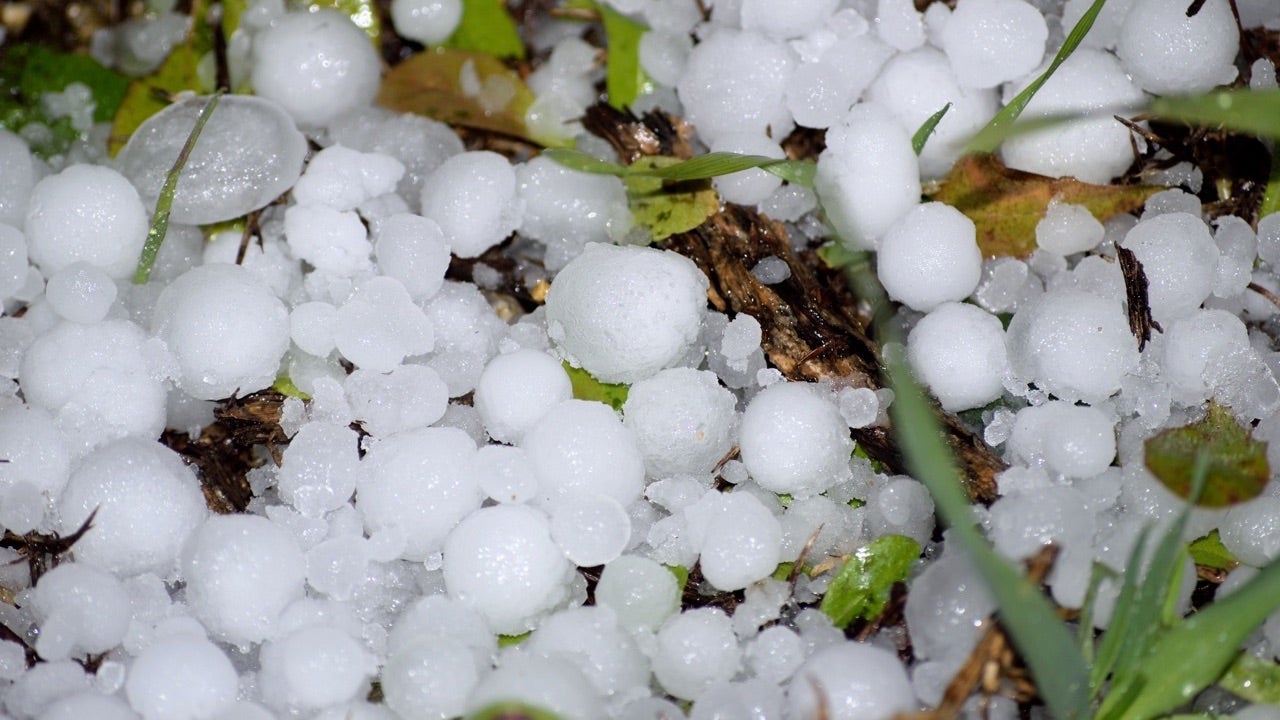
Chile’s Ministry of Agriculture has declared an agricultural emergency in 14 communes of the Maule Region, following damage to production caused by rains, hailstorm and strong winds, which have impacted various agricultural and forestry activities in the area.

The measure covers the communes of Talca, Curepto, Maule, Río Claro, Pencahue, and San Clemente in the province of Talca; Teno, Romeral, Curicó, Rauco, Sagrada Familia, and Molina in the province of Curicó; and Parral and Retiro in the province of Linares.

According to the technical data supporting this declaration, the weather events caused damage to various crops and productive activities in the region, primarily affecting the fruit and agricultural sectors. As well as crop losses, growers report compromised quality, waterlogged farms, and delays in agricultural operations, as well as phytosanitary risks linked to excessive moisture.

Visiting Talca last week, agriculture minister Jaime Campos said: “The climate has changed, the climate is changing, and we are compelled to adapt to this new reality. This is what I tell farmers: we will no longer be able to continue doing things the way we used to, because farming relies on the cycles of nature – and if nature changes, we must adapt our techniques and practices to these new realities. Unfortunately, the phenomenon of global warming and the El Niño phenomenon are clear demonstrations of what I am saying”.

The declaration of an agricultural emergency will provide access to support tools and resources for producers engaged in agricultural and forestry activities, as well as for rural residents affected within the municipalities covered by the resolution. The measures implemented will be subject to the procedures, targeting criteria, current regulations, and budgetary availability established by the competent authority.


Source - https://www.fruitnet.com

08.11.2026

Tanzania Secures $997,000 AfDB Grant to Expand Climate Insurance for Farmers

The project, titled “Bridging the Agricultural Risk Protection Gap to Scale Climate Smart Insurance,” is expected to benefit 300,000 farmers across 15 regions of Tanzania.

08.11.2026

India - Pune’s Crop Insurance Test Begins as Drought Cuts Kharif Yields

Pune’s crop insurance system is now facing a significant test after crop-cutting experiments recorded a 20-22% decline in soybean productivity and a 15% fall in maize production during a drought-affected kharif season. 

08.11.2026

Australia - Severe weather thwarts Victorian farmers ahead of bumper harvest

A hailstorm that smashed parts of Victoria's Mallee this week has devastated thousands of hectares of wheat, barley, lentils, canola and other cereal crops.

08.11.2026

Sudan fuel shortages damage crops in El Gezira as food prices soar, bakeries strike in North Kordofan

Fuel shortages and soaring production costs are damaging agricultural crops in Sudan’s El Gezira state, while rising food and transport prices are placing further pressure on household budgets.

08.11.2026

USA - Farm Banks Warn $140 Billion in Government Aid Is Masking Financial Risks

Agricultural lenders warn that $140 billion in emergency farm aid since 2018 may be masking financial risks as producers face rising costs.

08.11.2026

India - Yogi Government Doubles Disaster Death Compensation; Farm Aid Up by a Quarter

The Chief Minister’s Office says the revised norms will reach more than 10 lakh farmers, with higher payouts for crops, cattle, silk, homes and schools.

05.11.2026

Sudan asks insurance companies to fund winter agricultural season

The Sudanese government has urged insurance companies to use deposit surpluses and investments to finance the 2026-2027 winter agricultural season.

05.11.2026

Canada - Saskatchewan harvest now 99% complete: crop report

Harvest has wrapped up across Saskatchewan, with 99 per cent complete and only a few acres of later-seeded crops remaining in the field. Despite the challenges experienced this year, crop yields were consistent with 10-year averages and while many crops graded in the top-quality categories, some downgrading did occur due to late-season rain and pest activity.