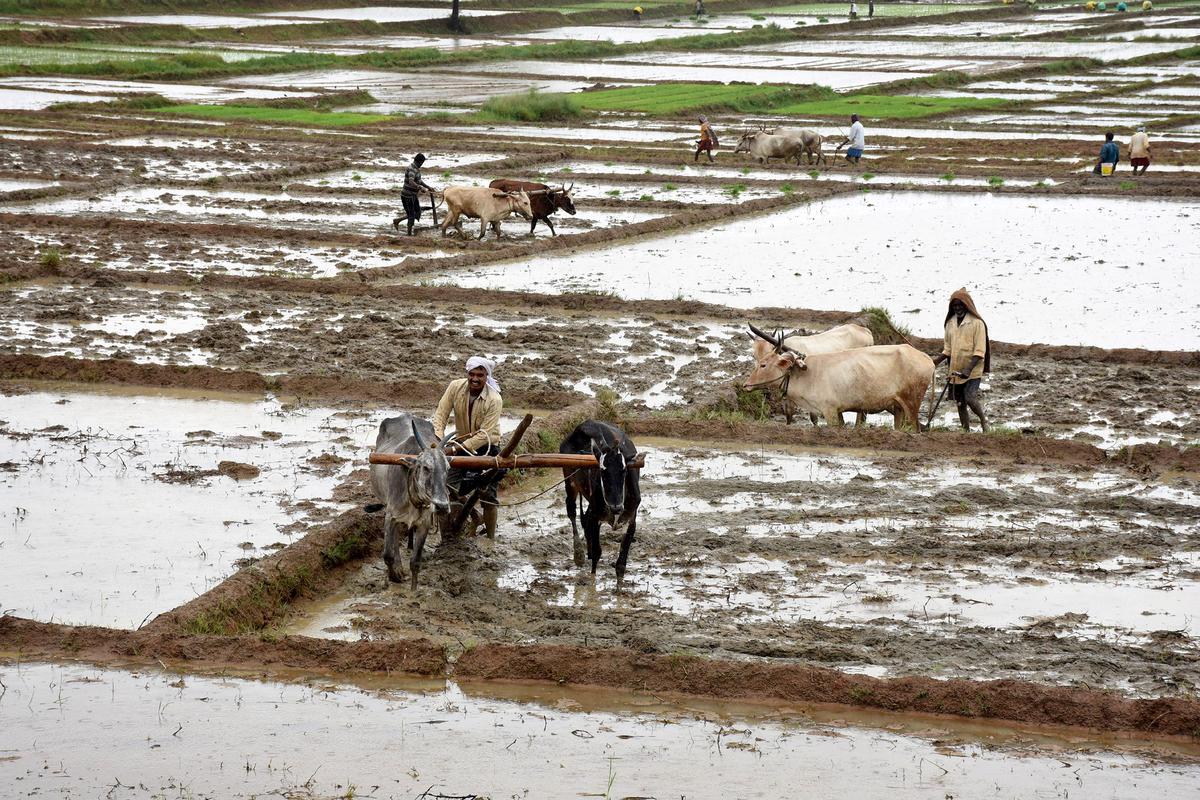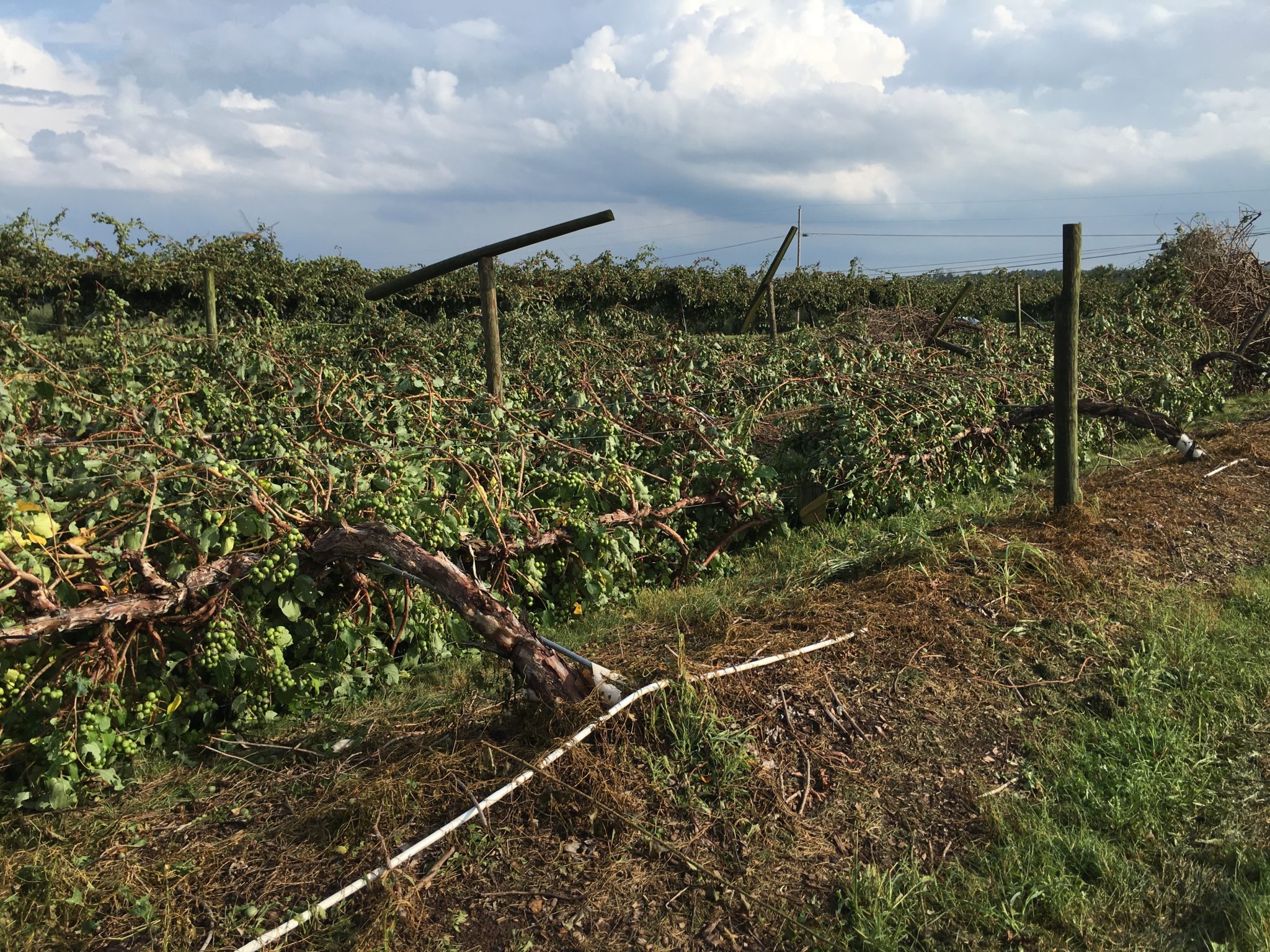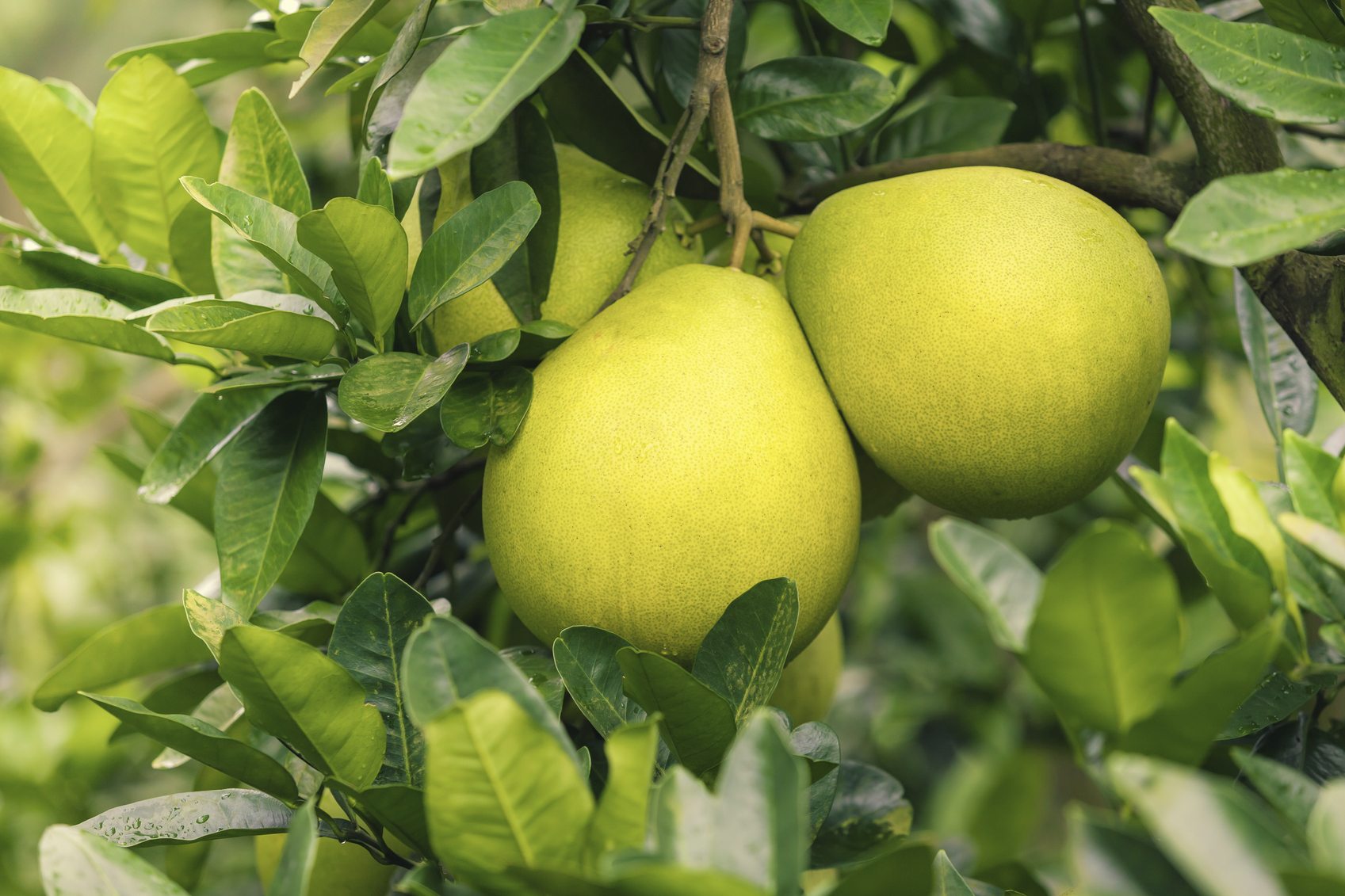
As heavy storms have continued over recent weeks and months, the effects of the increased rainfall on the pomelo industry have been drastic. Pomelo production regions in southern China have been hit particularly hard by this year's flooding, with yields projected to drop by up to 50% below prior periods. These abnormal conditions have brought a range of new pressures and challenges to China's pomelo industry.
Each year, the month of April signals the bloom of pomelo flowers and fruits, and as such the early Spring is a critical period for the implementation of disease and pest prevention measures. With this year's rains continuing steadily from April through July, such standards have been more difficult to maintain, leading to increased incidence of disease and infestation. In addition, consistent cloud cover has resulted in greatly reduced sunlight hours for the region, and a significant decrease in the nutrients absorbed through the pomelo trees' roots.
"We primarily export white pomelos and red pomelos, and with the impact of this year's weather conditions, white pomelo yield is expected to decrease by 50-60%, while red pomelo yield is expected to decrease by 40-50%," states Lan Bilong, Onedayone's General Manager of South. With the threat of decreased production, the pomelo supply has narrowed, and both market prices and export costs have increased when compared to last year.
Meanwhile, geopolitical conditions surrounding the Red Sea region have led to longer shipping cycles, as transportation is estimated to take an additional 10 days, the extended length of this journey further impacting pomelo quality.
Onedayone is actively implementing new measures within its production, storage, and transportation operations in order to combat these external challenges and facilitate the recovery and stability of the pomelo industry. All decisions are made on the foundation of optimizing pomelo quality while ensuring sufficient supply for export. According to Bilong, the recent increase in floods and other extreme weather conditions has caused the company to adjust some of its agricultural strategies in the impacted regions, such as increasing manual combing of shoots, postponing bagging, supplementing growing fruit trees with additional nutrients, and enhancing the pest and disease management process. Extra attention must also be placed on recognizing potential low-yield fruit trees early on, to ensure corrective measures can be taken to maximize supply.
Though the 2024 floods have had a significant impact on this year's pomelo production, Onedayone remains committed to working with its farmers to mitigate the impact of natural disasters. Bilong shared: "These challenges are not unique to us, but rather experienced by all links along the supply chain. With healthy communication and trusting cooperation, we will overcome the difficulties this season has brought."
Source - https://www.freshplaza.com