

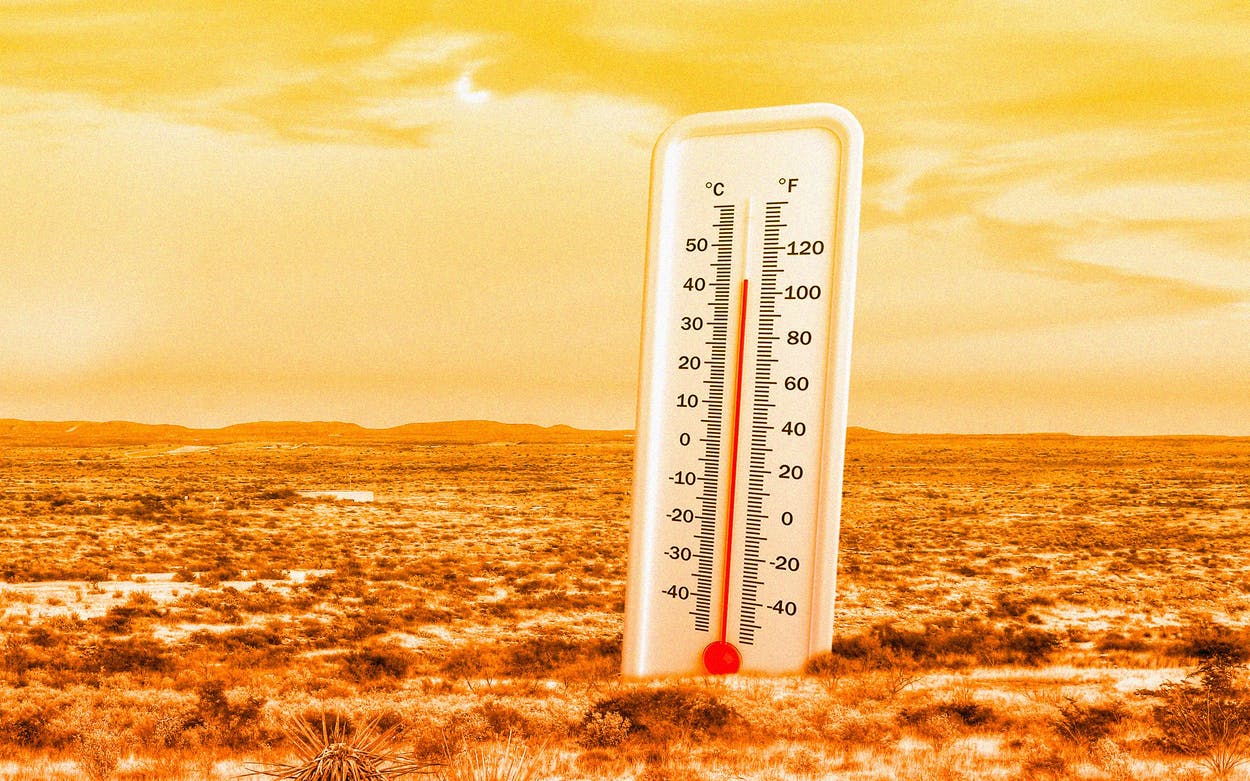
This summer, southern China suffered the longest-lasting, widest, and most intense periods of high temperatures and low rain since 1961. The drought developed rapidly, accompanied by high temperatures and heat damage, and it posed a great threat to agricultural production.
"The frequency, wide range, and long duration of the extremely high temperature in this summer not only led to different degrees of heat damage in fruit production in many places but also increased the loss and cost in the process of fruit circulation," Zhao Junye, a researcher at the Institute of Agricultural Information of the Chinese Academy of Agricultural Sciences, said.
Kiwi fruit production is greatly affected by high temperatures and droughts. Shaanxi is the province with the largest cultivation area of kiwifruit in China. From June to mid-August, the main kiwifruit-producing areas in Guanzhong and southern Shaanxi suffered serious high temperature and sunburn damage. Some orchards had dry leaves and sunburned fruits. It is expected that the yield will be significantly reduced. The kiwifruit cultivation area in Sichuan is second only to Shaanxi. It turns into the red heart kiwi harvest period in mid-to-late August, and extremely high temperatures caused severe sunburn in some orchards forcing them to pick fruits early.
In addition, Hunan, Hubei, Sichuan, and other places are at the peak season of grape marketing. Due to the continuous high temperature and drought, the grapes were seriously burned. Some fruits were hanging on the trees and dried out, which significantly affected the yield and fruit quality.
Zhao Junye said that citrus and apples are the two most popular types of fruits in China and are also important sources of fruit supply for this winter and next spring. However, high temperatures and dry weather have less impact on apples. The continuous high temperature in August mainly affected the coloring of early apples, resulting in a decline in the rate of good-quality fruit. There is currently no significant impact on the yield and variety of late varieties.
In contrast, high temperatures had a greater impact on citrus production. The continuous high temperature caused citrus fruit to expand, resulting in small and early ripening of the fruit. High temperatures mixed with strong sunlight led to sunburn of the fruit, affecting the commodity rate and the excellent fruit rate. The sudden rain after continuous high temperatures also led to citrus cracking.
However, in recent years, the cultivation area and total output of citrus in China have increased significantly, and the reduction in production caused by high temperatures is not expected to lead to supply shortages, and the impact on the market is relatively limited.
Source - https://www.freshplaza.com










