China - Facing serious drought, crop damage

23.09.2022 1097 views

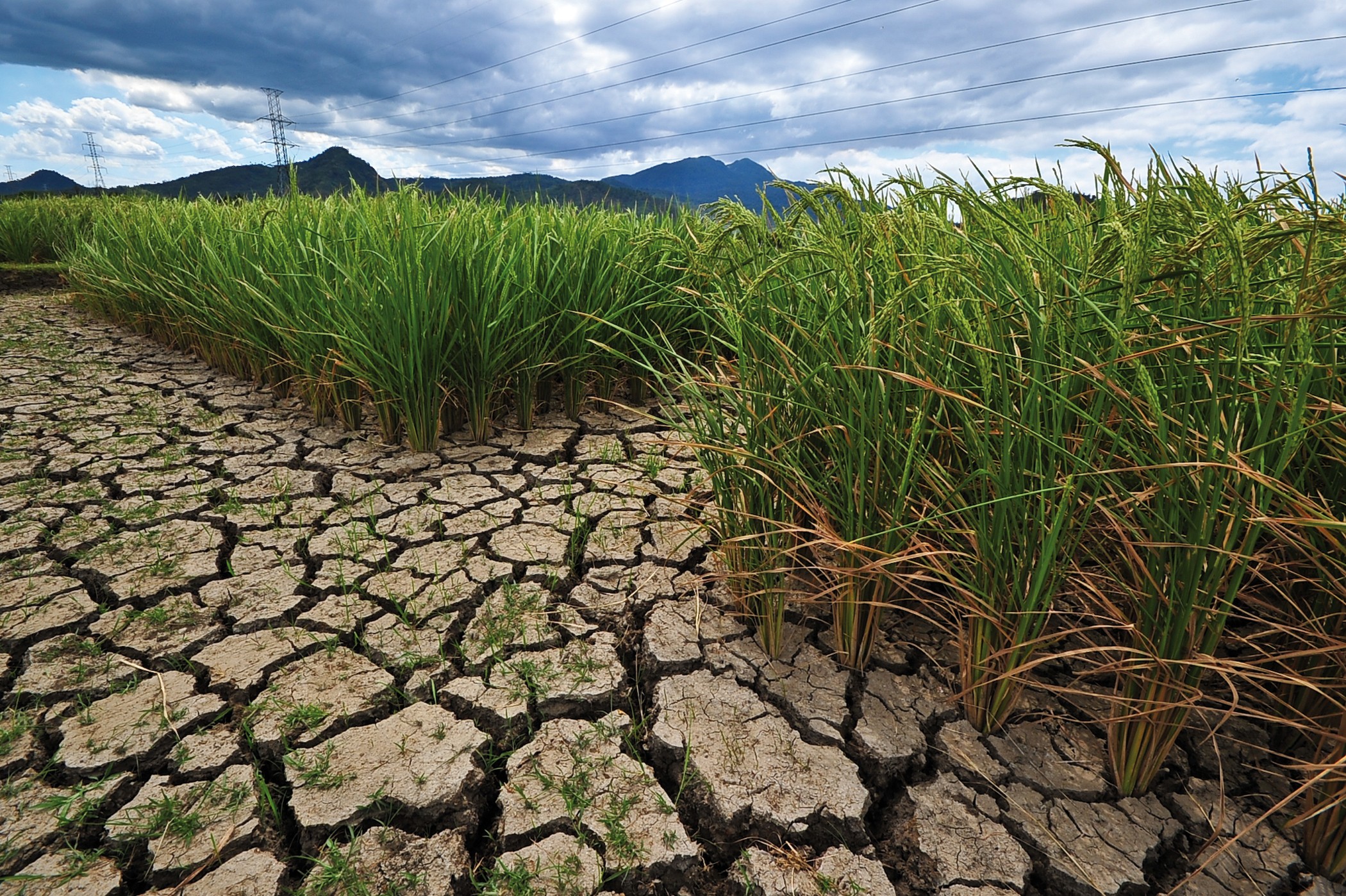
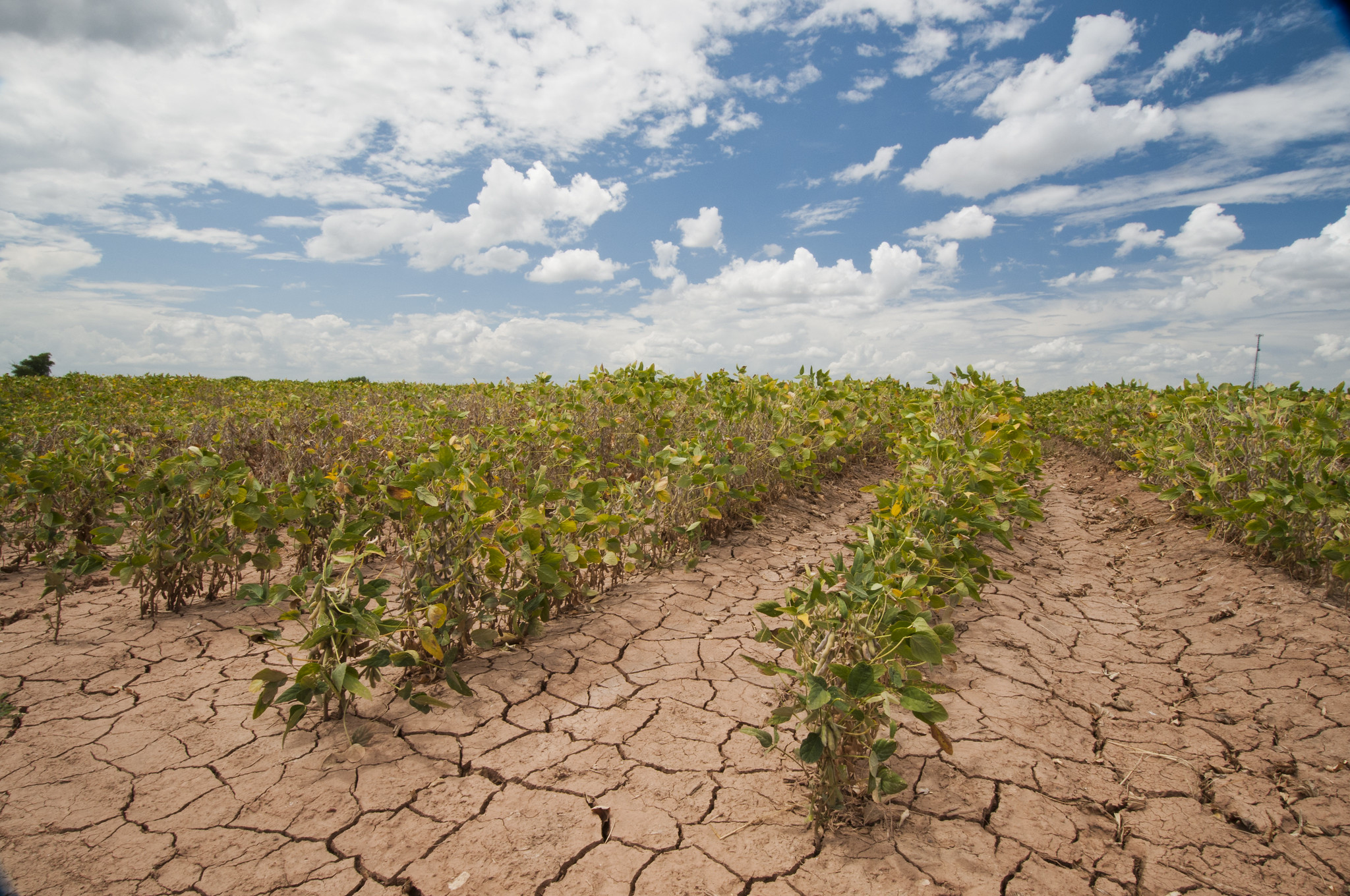
As much of the U.S. struggles with drought this year, China is doing the same.

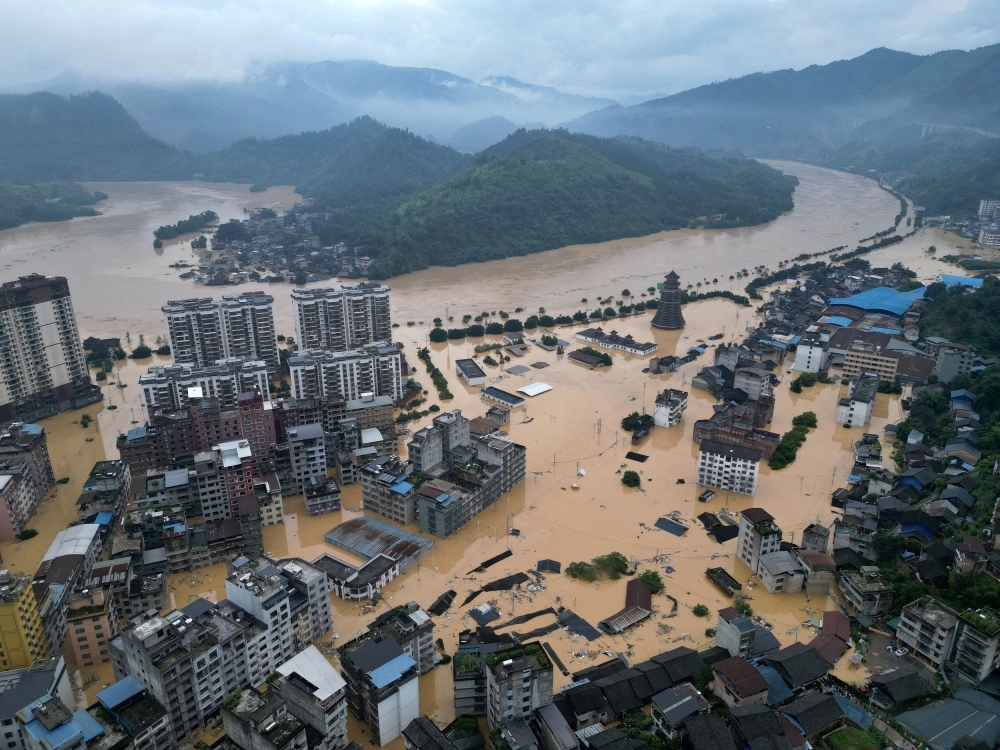
According to an AP News report, China has endured a scorching summer that is the country’s driest in six decades. The most-impacted area spans from the densely populated east coast, across the central farming provinces, and into eastern Tibet.

Reservoirs in the region have reportedly shrunk to half their normal levels. Parts of the massive Yangtze River and dozens of its tributaries have dried up, dramatically impacting the source of hydropower that normally is generated from dams.

In Sichuan province, which receives 80% of its electricity from hydropower, rolling blackouts have become the norm, and factories have been shut down to conserve energy. More than 800,000 people in the province also are reportedly facing drinking-water shortages.

Agricultural crops are suffering, with immediate concerns regarding fresh produce that normally would be heavily irrigated.

Grain crops also are in jeopardy, which prompted Chinese officials to announce chemical cloud-seeding in late August, in an attempt to increase rainfall in some regions. They also are spraying crops with water-retaining agents to reduce evaporation.

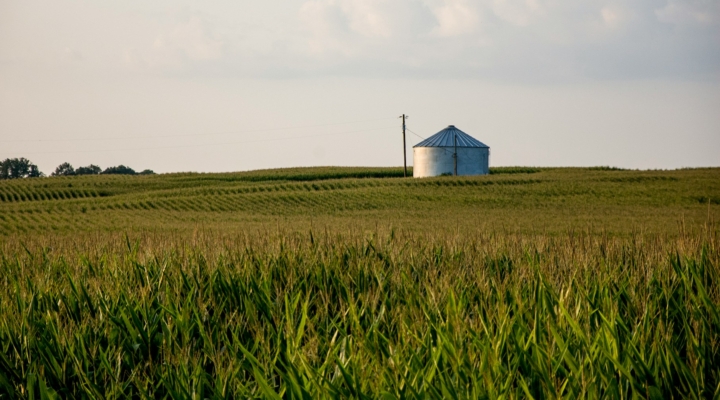
Since Russia’s invasion of Ukraine last spring, China now is relying more heavily on its own corn production, according to an article in The Guardian. A short crop in China would likely affect global grain markets by boosting demand for Chinese imports.

Source - https://www.dairyherd.com

28.04.2026

Philippines seeks 500 million USD for engineered bamboo development

The project is currently at the concept stage, with feasibility studies expected to take five to six months and overall preparation about a year. Implementation could begin in 2027, pending loan approval.

28.04.2026

Insurance compensation of 186,000 manats paid to tobacco farmers in Azerbaijan

To date, 186,000 manats of insurance compensation have been paid to farmers and farms in the tobacco industry in Azerbaijan.

28.04.2026

USA - Climate Disasters Are Straining Hawaii’s Insurance System

Frequent and costly disasters are driving up premiums and leaving many properties uninsured or underinsured. 

28.04.2026

Brazil - São Paulo releases R$400 million in rural credit in a record package for farmers, agricultural insurance, machinery, and land regularization

The package announced at Agrishow in Ribeirão Preto combines rural credit, agricultural insurance, land tenure regularization, mechanization, inclusion of women, innovation, and environmental actions, with R$ 455 million in investments aimed at strengthening São Paulo’s agribusiness.

28.04.2026

When will Moldovan authorities announce a call for applications for subsidizing agrarian insurance?

To date, the MAIA Ministry of Agriculture and Food Industry has not yet announced the start of the next stage of accepting applications for subsidies under agricultural risk insurance contracts concluded in the fall and winter period. While waiting for this announcement, some insurance companies are being "restrained" in the agricultural segment - they insure only livestock farms and perennial crop plantations of their regular customers.

28.04.2026

USA - USDA just doubled disaster payments, and gave farmers until August 12

SDRP disaster payment farmers 2026 just got a major upgrade. Agriculture Secretary Brooke Rollins announced on April 24 in Higginsville, Missouri that USDA is raising the Supplemental Disaster Relief Program payment factor from 35 percent to 70 percent. 

27.04.2026

India - Crop Ruined by Parrots is 'Damage by Wild Animals', says HC; Gives Relief

Holding that citizens cannot be forced to bear losses caused by protected wild animals, the Nagpur Bench of the Bombay High Court has ruled that denying compensation to a farmer merely because parrots were omitted from a government list would breach principles of equality. 

27.04.2026

The World Bank: Agri-risk management in Bulgaria

CAP has steered Bulgarian agriculture toward greater resilience, but the sector continues to suffer from an absence of a comprehensive risk management strategy and limited research on internal and external risks, the report concludes.