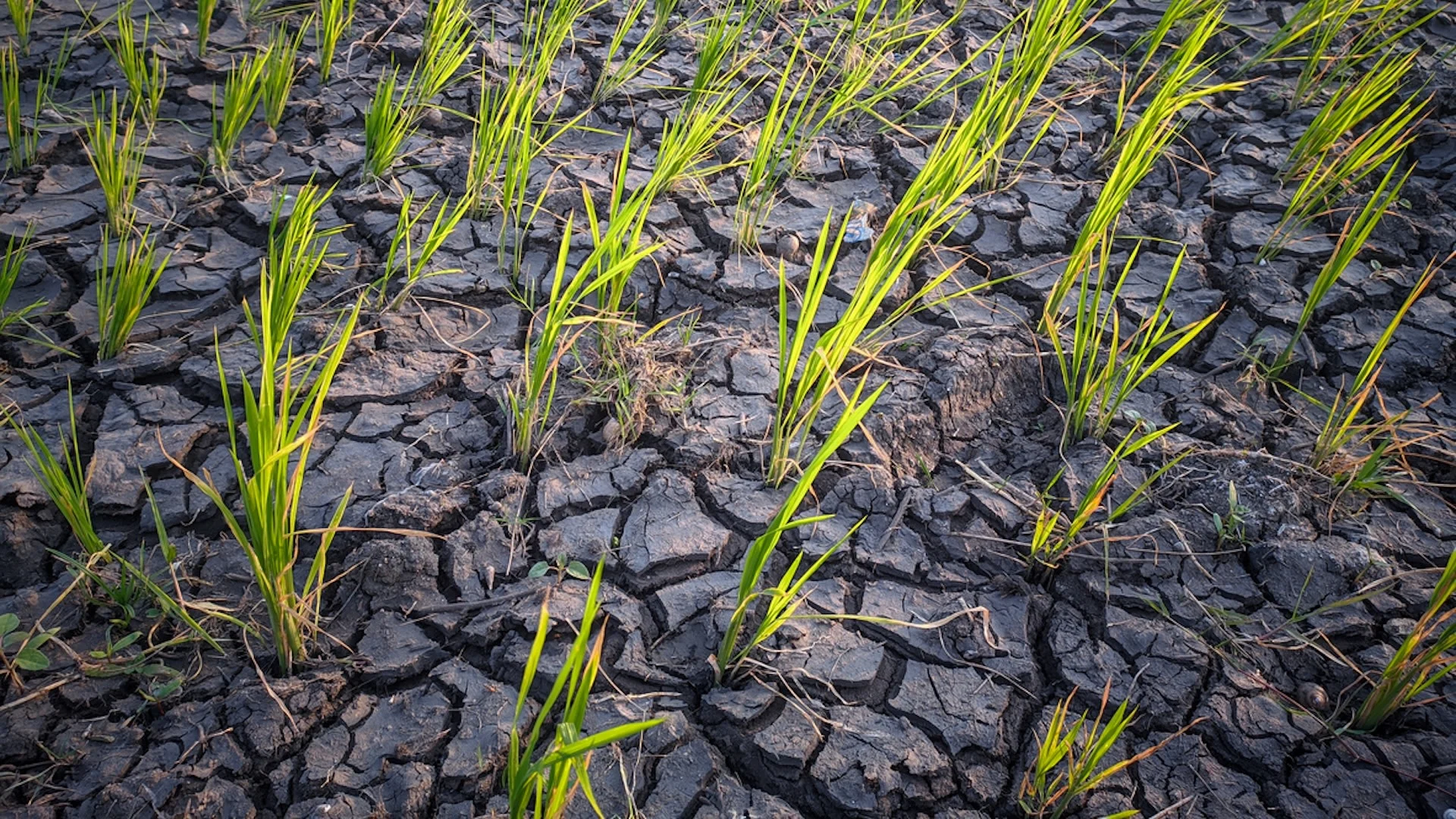
Half of China is plagued by floods and mudslides, the Guardian reported; the other half is gasping for any water at all. And for farmers struck by drought, concerns are mounting that this may be the end of their livelihoods.
What's happening?
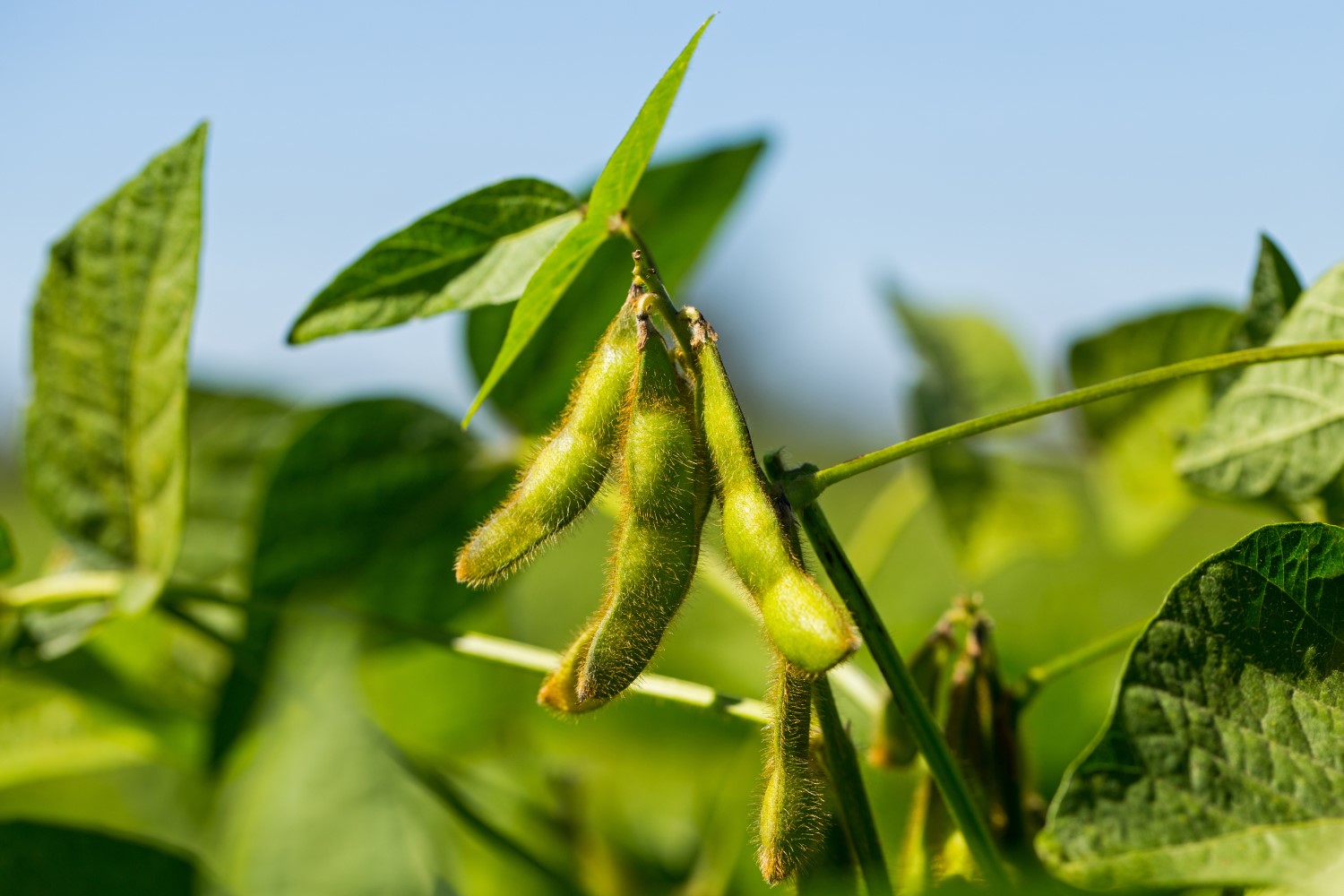
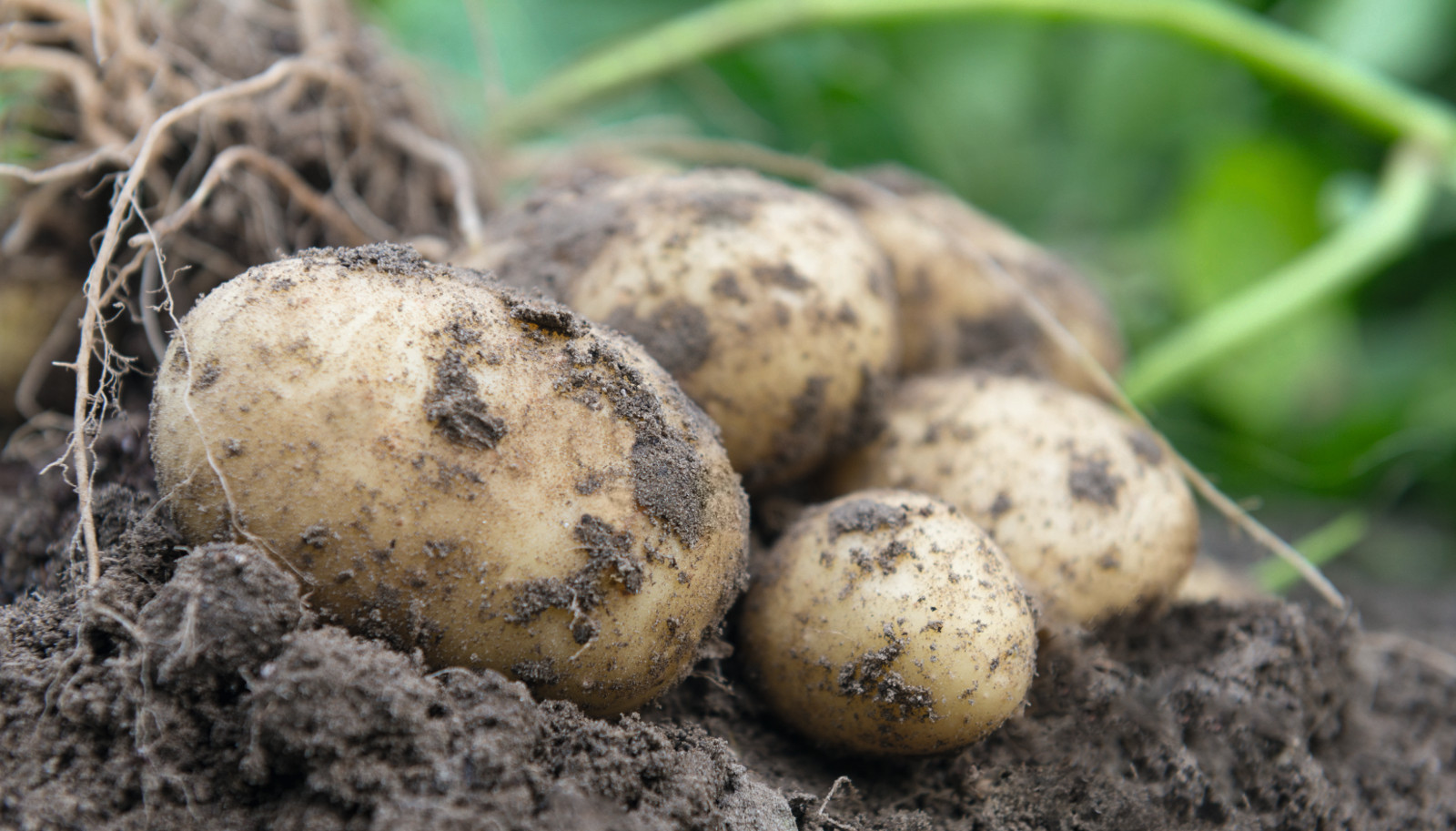
Northern and central China are suffering from months of prolonged drought and extreme heat, which is prompting Chinese farmers to hold off on planting. This has led to a delay in production of popular crops, such as rice, corn, and commonly used herbs such as mugwort.
"With advanced technology and artificial rainfall, there'd be some hope for us," one farmer told AFP, per Phys.org. "But if there's really no rain, average folks like us will face total crop failure. That's just how it is."
According to Phys.org, another farmer echoed the grim sentiments, saying, "If it really doesn't rain, (the crops) will all die."
Why is this pattern so concerning?
This drought will significantly threaten China's food supply — which was already a concern in a country of over 1.4 billion people — as well as the global food supply. But what worries experts most is what will happen in the seasons to come, should these severe droughts continue.
This is likely, given the weather patterns that scientists have cataloged for decades. While droughts have been part of the natural weather cycle for a long time, their severity and duration are increasing because of one critical factor: global heating.
Watch now: Lime executive reveals true impact sustainable choices have had on business
Global heating is linked to increasingly erratic weather patterns and an uptick in extreme weather events. A heavy layer of hot air in the atmosphere acts as an atmospheric "steroid," prolonging droughts and, ironically, intensifying tropical storms.
Even now, while farmers in central and northern China are drying out in the heat, China's southern half is being wrecked by heavy flooding and mudslides, leaving several people dead and many more missing, per Phys.org.
What's being done about this?
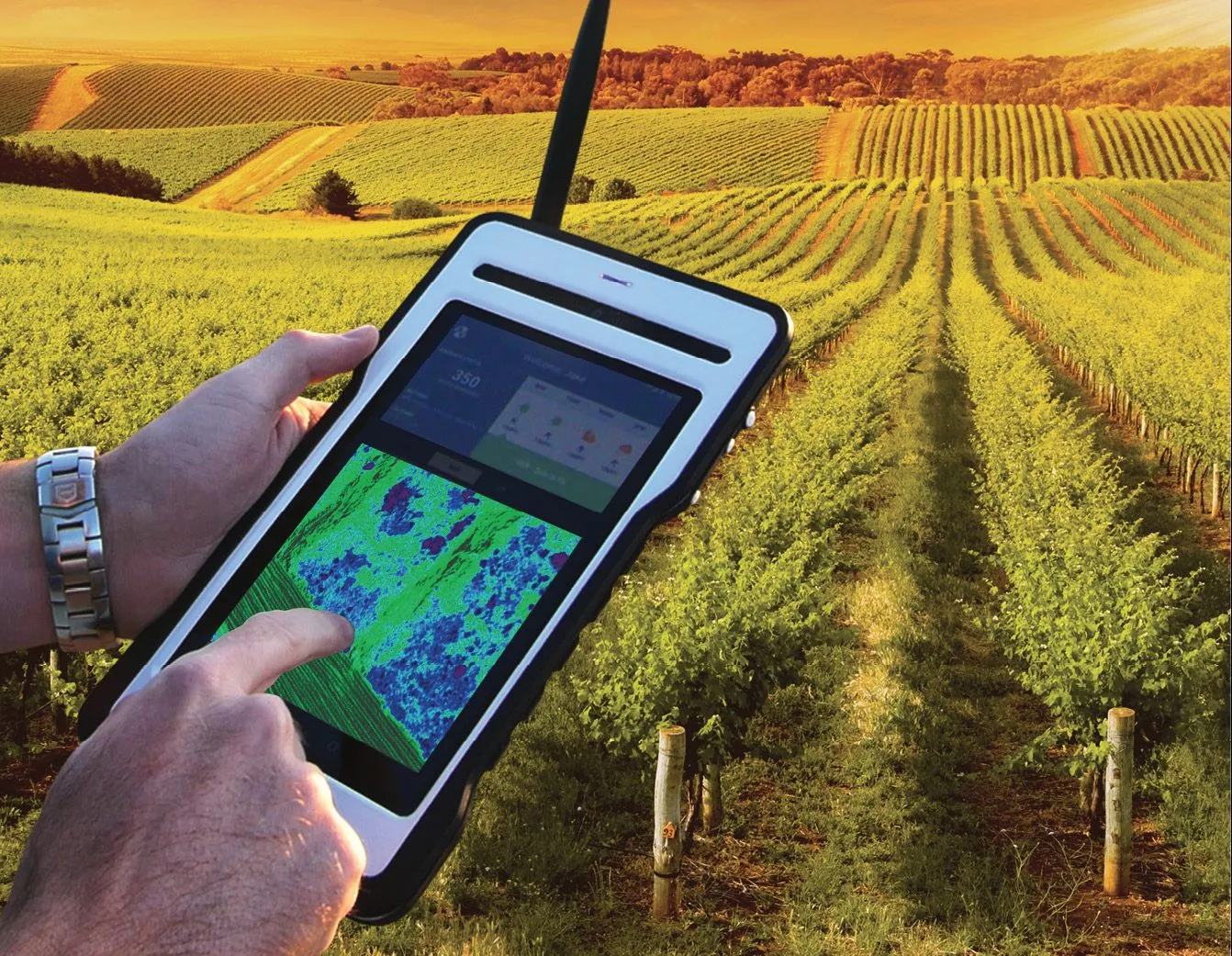
Scientists are working to innovate around different ways to protect crops from drought, whether it's by modifying crops to need less water or by experimenting with artificial rain systems, although the latter remains controversial for its use of chemicals.
Not every farmer has been hit with severe drought yet, but the possibility seems to loom larger every day as nearly every city faces a threat from climate-intensified weather.
The best thing an individual can do is work to decrease your own footprint to slow global heating, whether that's by supporting green brands, voting for pro-climate candidates, growing your own food, switching to an EV, ditching single-use plastics, or using a green bank.
Join our free newsletter for cool news and cool tips that make it easy to help yourself while helping the planet.
Source - https://www.yahoo.com