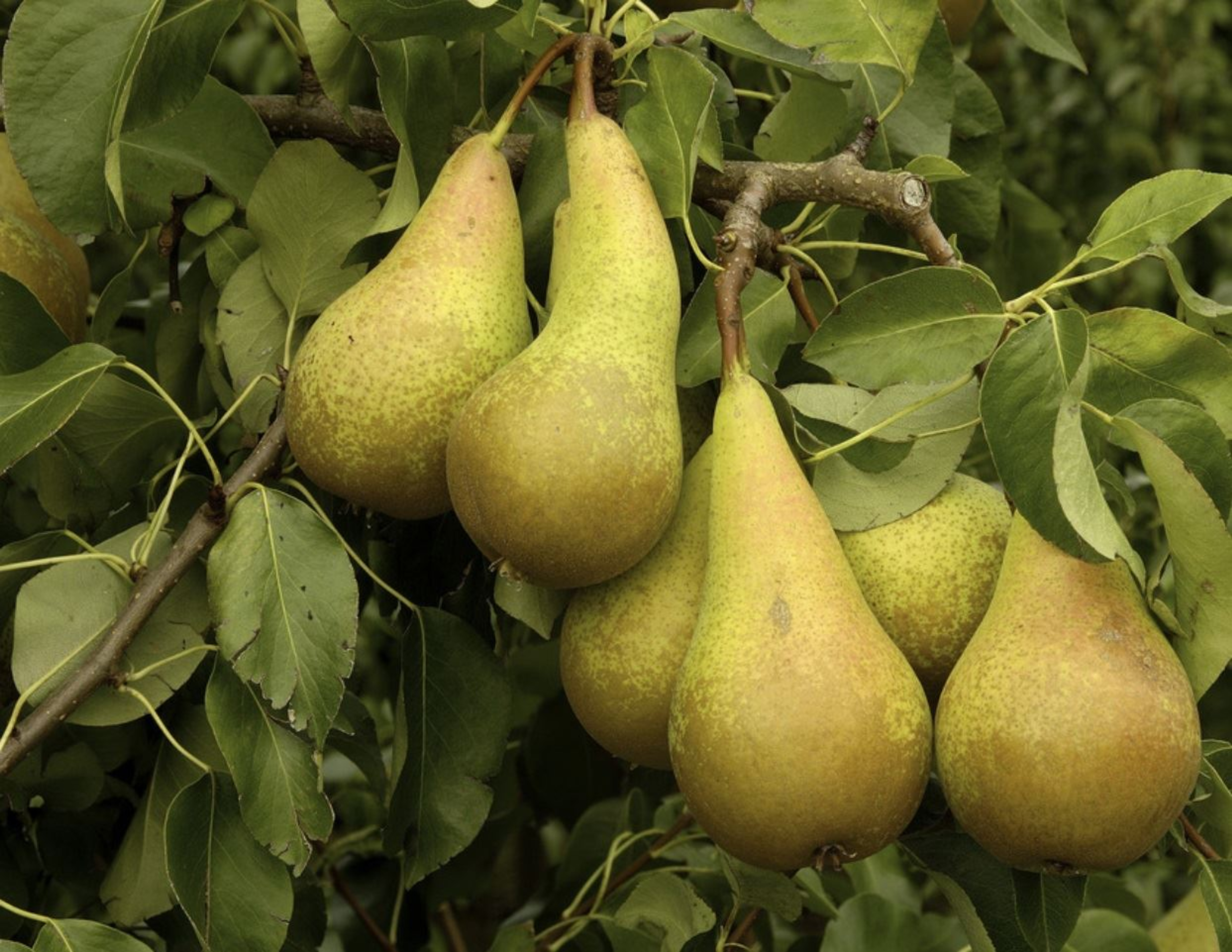
The 2024 season for fresh pears in China has begun. In Hebei, fresh pears started being harvested in the first week of July. Despite experiencing heavy snow and low temperatures in winter, the fresh pears have grown well, with no significant impact on quality or yield due to favorable weather conditions in the first half of the year. However, recent heavy rainfall may delay the sales of this year's harvest.
Hebei Xionghan Agricultural Products Co., Ltd., a fresh pear processor and exporter, reports that Hebei's main production area began experiencing heavy rainfall on July 2, expected to last 2-3 days. Sales Manager Li noted that before harvesting, the company conducts pesticide residue tests on orchards and contracted farmers to ensure compliance with European Union and United States standards. Despite high temperatures and little rain from May to June, resulting in slightly smaller pears this year, the harvest will include more small and medium-sized fruits, which impacts buyers and importers who prefer larger fruits.
Manager Li also mentioned that fresh pear inventory bottomed out in 2023, and the insufficient size of this season's pears, combined with heavy rainfall, is hindering the picking progress and delaying sales. The heavy rainfall and large temperature differences have significantly affected the quality of Huangguan pears, with some developing appearance issues such as Pear Brown Spot disease. This will reduce the output of high-quality fresh pears and push prices up.
Furthermore, the market price of fresh pears is expected to be about 20% higher than the same period last year due to high global shipping costs. Even though the harvest price of fresh pears is 25-30% lower than last year, the high overall shipping costs might lead traders and customers to adopt a wait-and-see approach. As more fresh pears are picked in mid-July, if shipping costs remain high and the overseas market demand is low, the purchase price of fresh pears may fluctuate further.
Hebei Xionghan Agricultural Products Co., Ltd. will participate in the ASIA FRUIT LOGISTICA in September, booth number 5C01. This year, the company has introduced order-based planting, targeting European and American customers with high requirements for fresh pear quality and pesticide residues. They aim to collaborate with customers to develop planting management plans, supply high-quality fresh pears, and guarantee separate supply.
Source - https://www.freshplaza.com