Scorching temperatures are set to continue in China throughout June. The normally hottest summer months are still to come, but China is in the midst of a bout of extreme heat across many of its regions. Since March, several regions in China have suffered from heatwaves, including Yunnan province. Despite the area being known for its mild weather, temperatures in the province have reached more than 40°C.
On Monday, Shanghai experienced its hottest day in May in more than a century. According to national forecasters, temperatures are expected to rise to more than 35°C in most of southern China over the next three days, with some areas exceeding 40°C.
In June 2022, China experienced its strongest heatwave that lasted over 70 days. In a report on China’s weather status in 2022, it was found that annual precipitation for the country reached its lowest level since 2012.
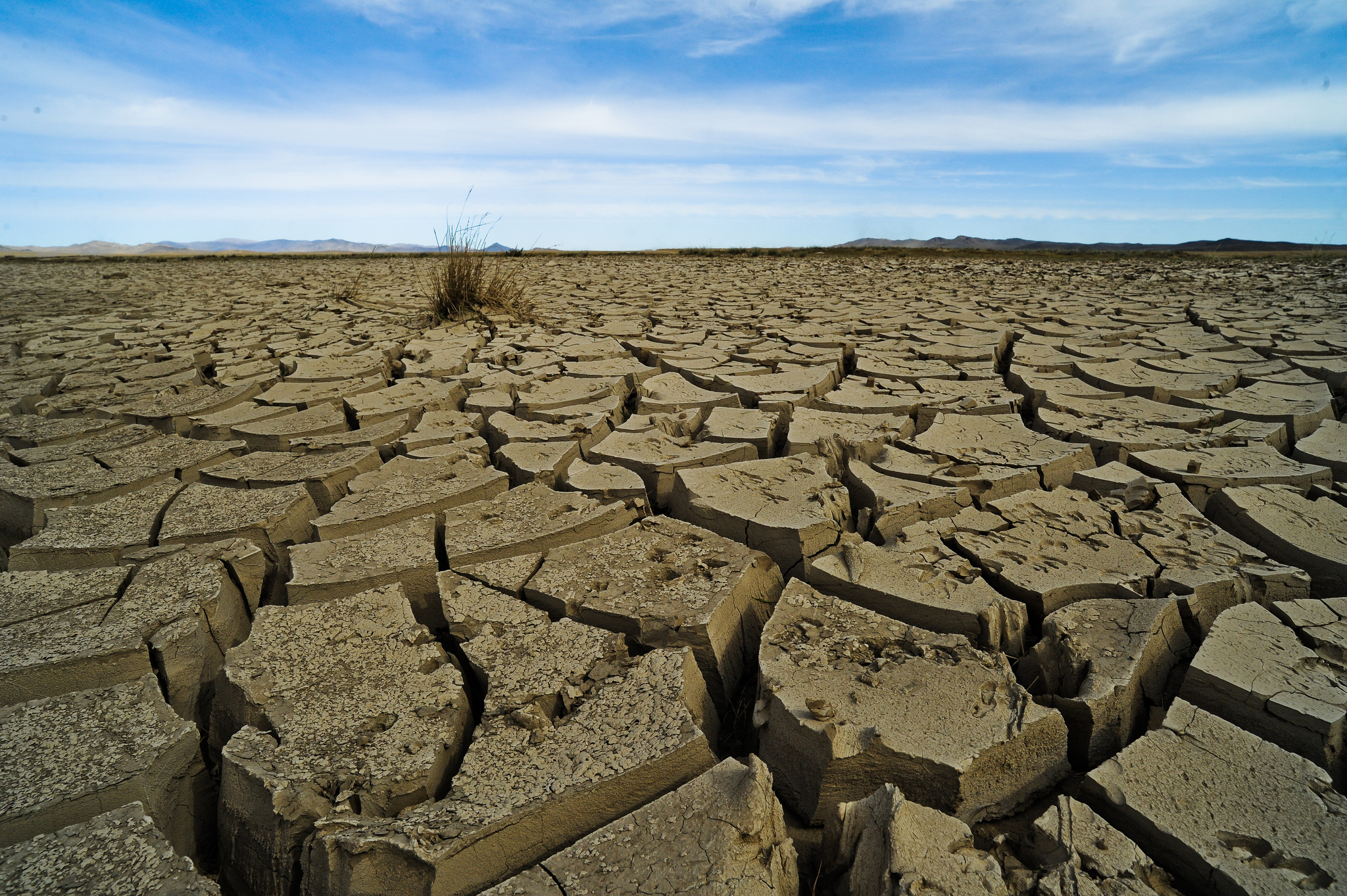
Northeast and North China experienced increased rainfall during the flood season, while the Yangtze River Basin had reduced precipitation, causing droughts and severe heatwaves.
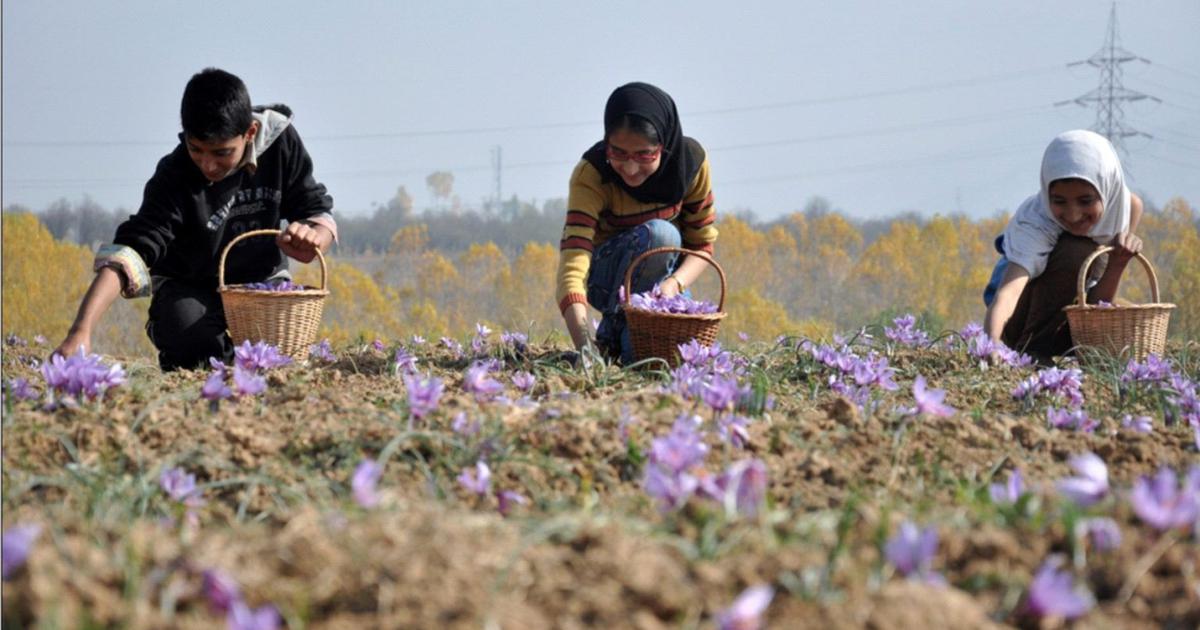
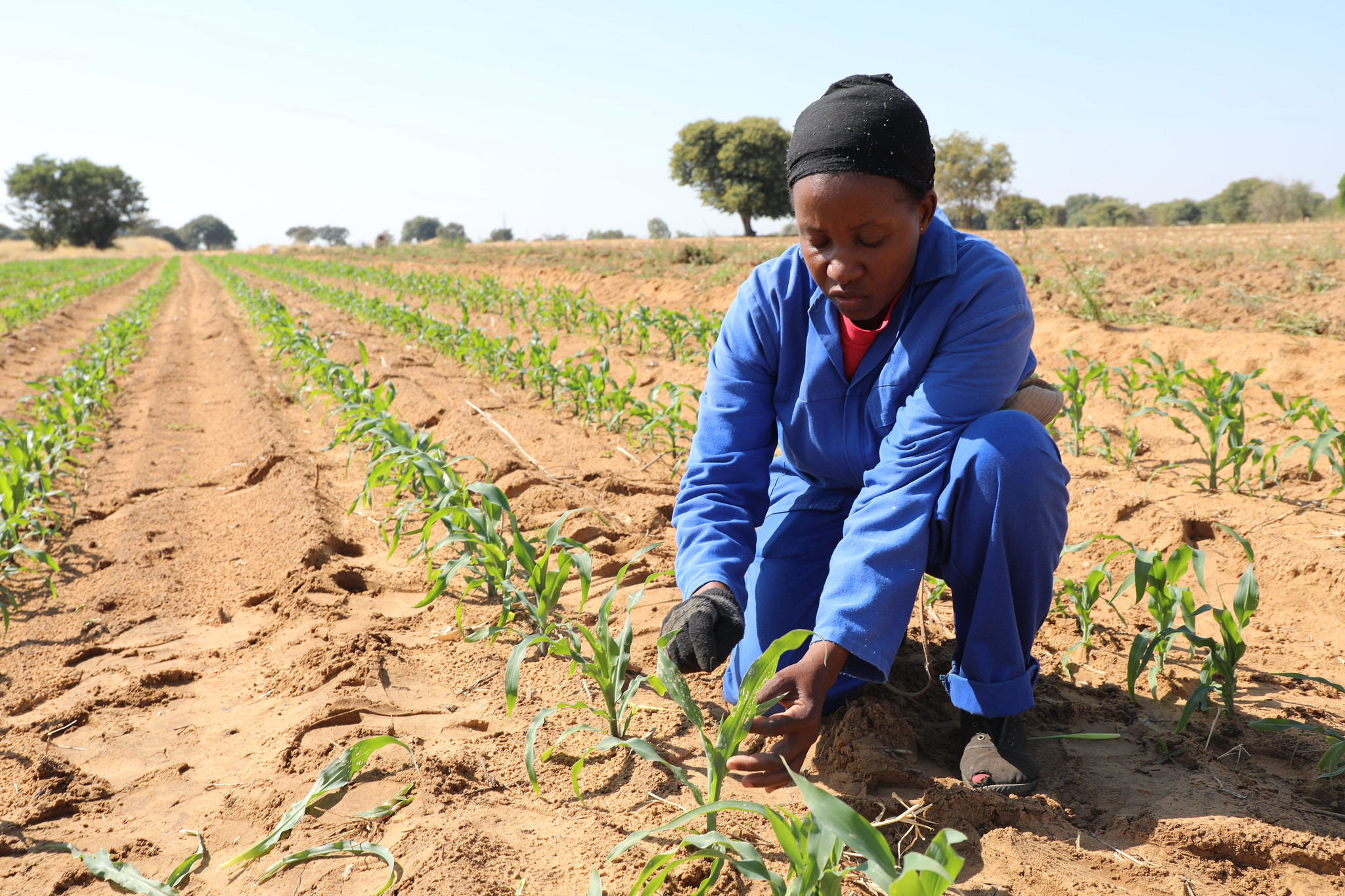
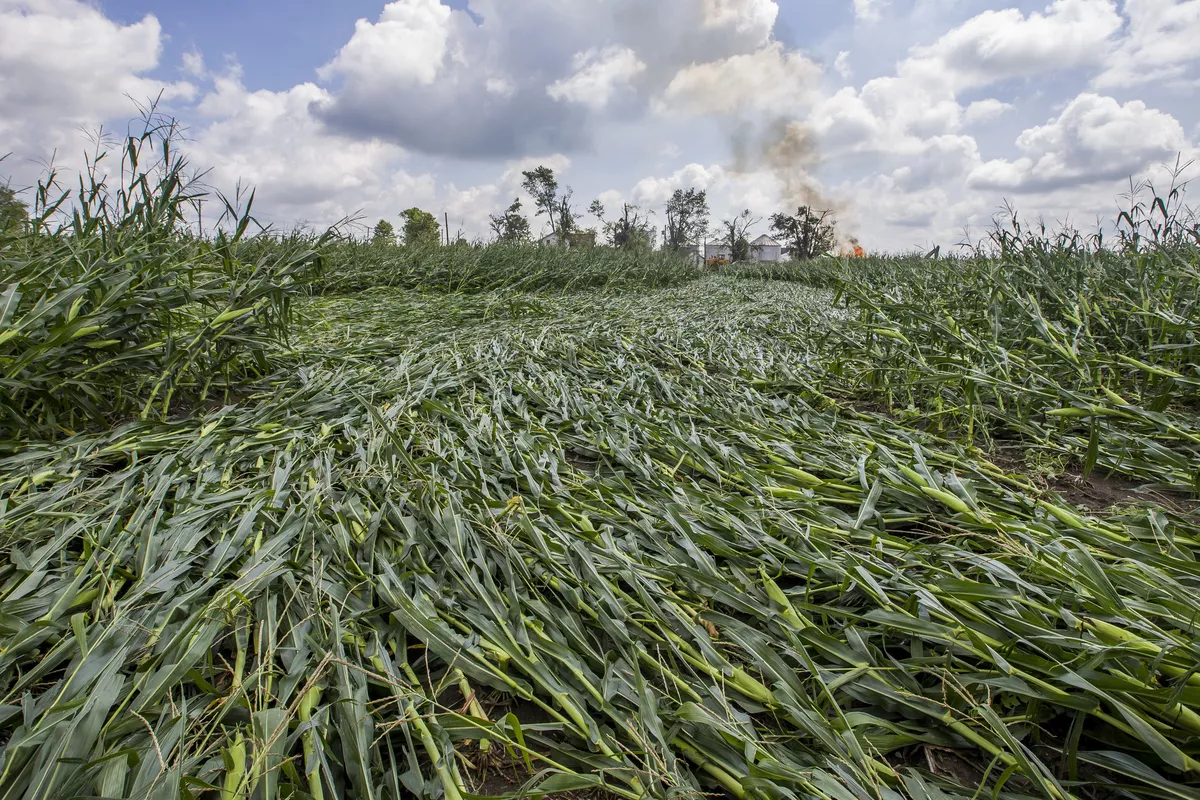
The heatwave caused damage to crops, dried up reservoirs and lakes, and led to wildfires. China’s Ministry of Emergency Management reported a direct economic loss of 2.73 billion Chinese yuan ($400m) due to the drought. With increased demand for air conditioning to cool the heat, electricity usage also reached record levels in some areas, with blackouts occurring due to the strain placed on the power grid.
China’s heatwaves are occurring before the summer season, with concerns that potential crop damage from extreme temperatures could increase food prices and worsen inflation.
This year, officials are concerned that the Yangtze River Basin, China’s main rice-growing region, could face a drought in the coming months. There are also worries that food production may be affected by the onset of extreme weather.
‘Extreme weather such as drought and floods may disrupt the food production order and bring more uncertainties to the supply of food and oil,’ Sheng Xia, chief agricultural analyst for Citic Securities, wrote in a research report.
Already, rabbits, fish and pigs have died from the scorching temperatures. According to state media reports, hundreds of pigs died at a farm in eastern Jiangsu province due to a sudden power outage that caused fans to stop working at night.
As millions of homes attempt to combat the heat by switching on air conditioners, placing a huge burden on the power grid. In the last few days, the power load in Hainan rose above seven million kW for the first time and according to state media reports, hit all-time highs in Guangxi.
In order to support its baseload energy supply through increased demand, China plans to accelerate approval of new coal mines and fast-track the construction of already approved mines, said Liang Changxin, an official from the National Energy Administration (NEA).
‘Heatwaves in China have definitely become more common and more intense as well as longer in duration because of human-induced climate change,’ explains climate attribution expert Friederike Otto.
Scientists fear that the impending arrival of an El Niño, a naturally occurring climate pattern, will hike global temperatures even higher. This month, an update from the World Meteorological Organization (WHO) warns of the increasing likelihood that El Niño will develop later this year.
Typically, El Niño events can cause severe droughts in Australia, Indonesia, and parts of southern Asia. In contrast, El Niño is also associated with increased rainfall in parts of southern South America.
Source - https://geographical.co.uk