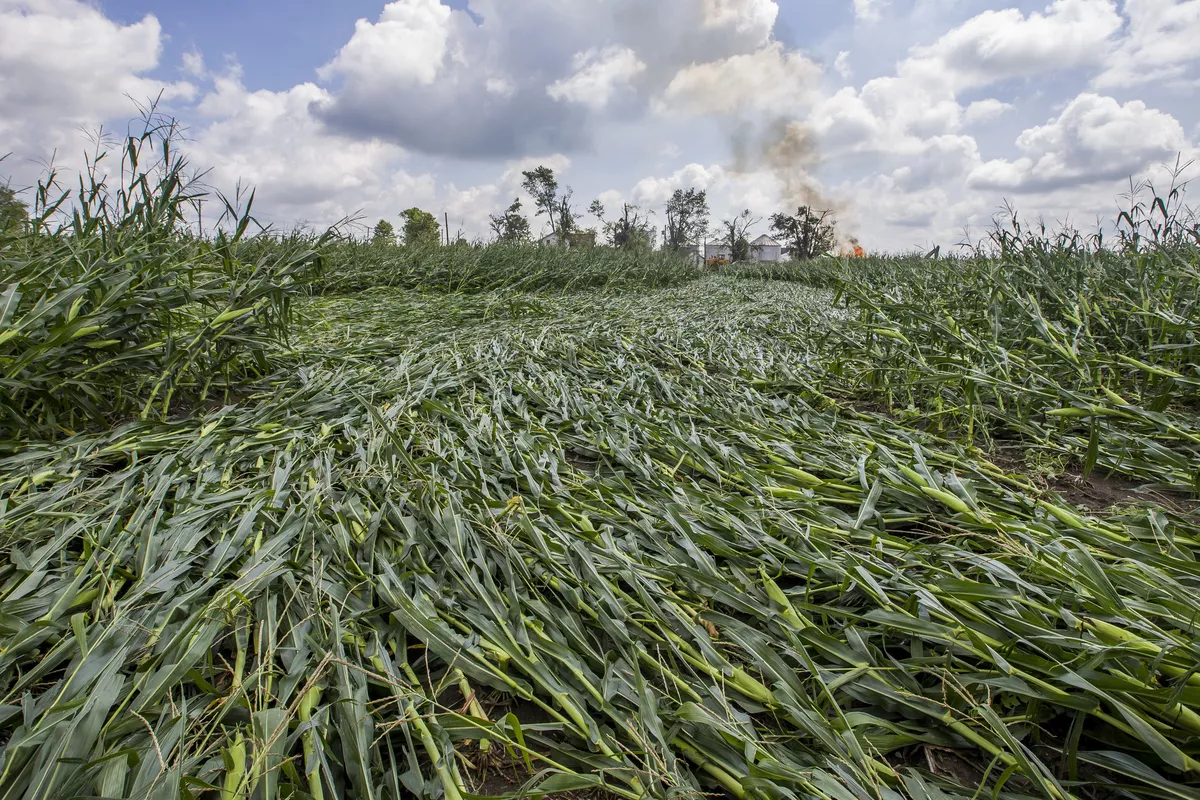
Farmers in southern India are under pressure as a recent storm has severely damaged their crops.
What's happening?
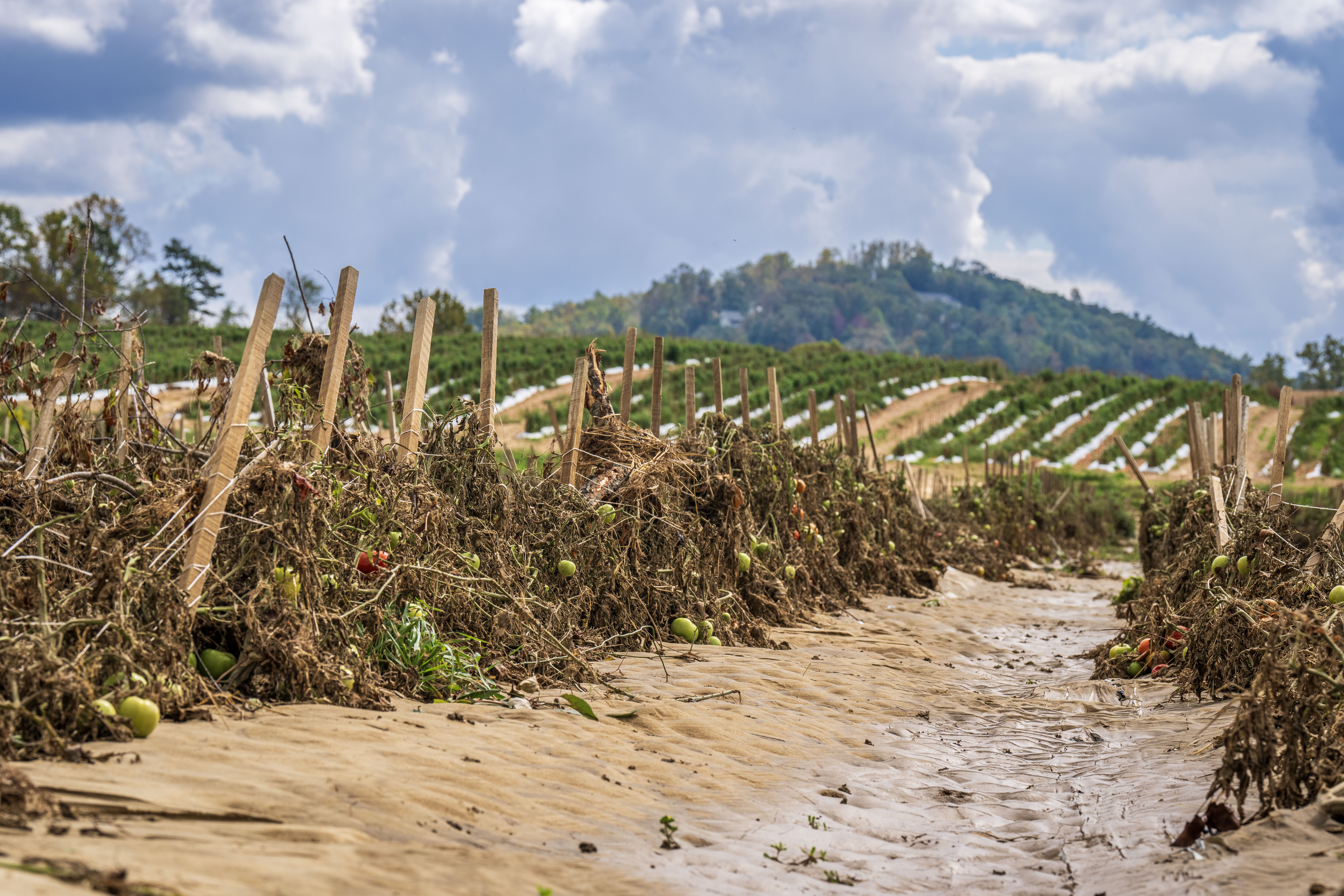
As The Hindu reported, Cyclone Montha crashed into the state of Andhra Pradesh in October 2025, damaging 45,040 hectares (over 110,000 acres) of rice paddies, 985 hectares (over 2,400 acres) of blackgram, 288.2 hectares (over 710 acres) of groundnut, and 43 hectares (over 100 acres) of cotton.
As a result, some farmers in the region have reported a 70% drop in yields.
Why are crop yields important?
While these disasters are a blow to food stability and economic prospects, they are also indicative of wider extreme weather patterns.
Increased atmospheric pollution exacerbates storms, the humidity from which can introduce a wide range of fungal infections to crops and ruin output. These weather trends also span floods, droughts, heat waves, and wildfires, all of which can reduce crop growth.
India has suffered blows to other crops, including lemons, oranges, ginger, onions, tomatoes, cashews, and mangoes. Such disruptions have been reflected in rising costs at the checkout counter.
The problem isn't limited to India, either. Shifting weather conditions elsewhere have caused similar crop declines in Japan, Korea, the United States, and England.
What's being done about Indian crop losses?
Attacking the root cause of increasingly destructive weather will require large-scale pollution reduction.
While India is making incredible progress in solar energy deployment, helping to reduce the planet-warming pollution caused by power generation, it's also been slow to divest from coal.
Government support will be available to Indian farmers who have suffered crop losses of 33% or greater. While farmers have attempted to salvage what they could from their crops, ongoing rains have disrupted their efforts, and the conditions have led to further ruin.
"Now we will wait for 10 days before harvesting the crop," said local farmer Maganti Nagaraju, per The Hindu. "In the meantime, if it rains again, the damage and expenses will only increase."
Source - https://www.thecooldown.com