Vietnam's Ministry of Agriculture and Environment reports that the northern region aims to plant 400,000–410,000 hectares of winter crops, with an estimated output of 4.8–5 million tonnes. Local authorities are focusing on crop diversification, staggered planting, and concentrated production zones to stabilise markets and maintain supply.
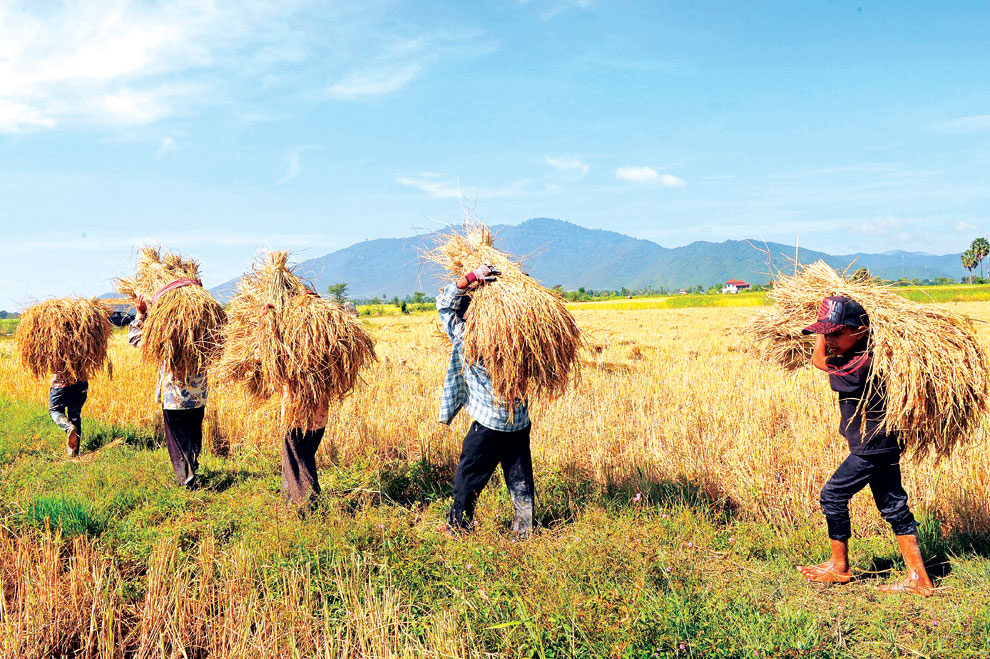
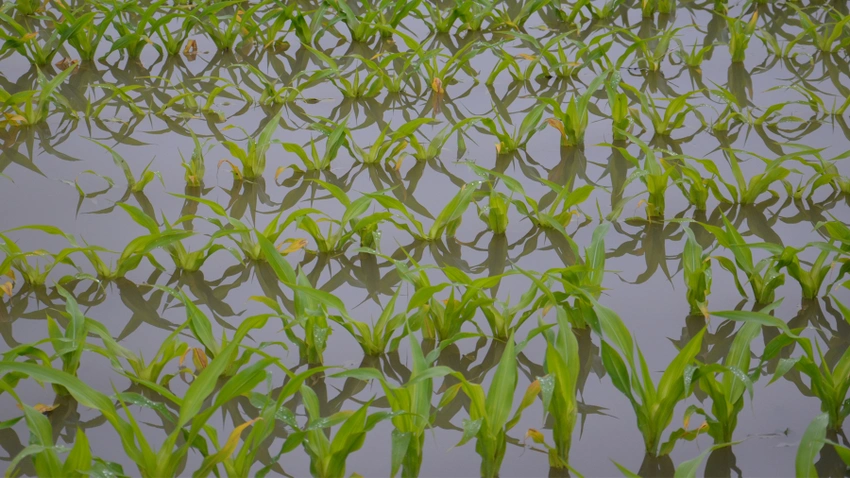
Across Hung Yen Province, farmers are harvesting summer–autumn rice and preparing land for winter planting. Some higher fields already have maize and vegetable seedlings in place. According to the Yen Phu Agricultural Services Cooperative, growers expect improved returns from the winter crop. Wet conditions early in the season affected field operations, but crop performance has since recovered.
Crop diversification in Hung Yen includes cabbage, tomatoes, cauliflower, kohlrabi, and carrots. Plantings are spread across early, main, and late phases to regulate supply from November through the post-Tet period. The province plans 43,100 hectares of winter vegetables and industrial crops, prioritising varieties suited for storage and processing, including bottle gourd, pumpkin, cucumber, tomato, and potato. Each locality is expected to develop two or three concentrated production fields of at least 10 hectares, supported through partnerships between growers and enterprises.
Hai Phong is targeting around 29,200 hectares of winter crops, including 22,200 hectares of vegetables, with an estimated output of 650,000 tonnes. Production zones will continue to expand through value-chain linkages and branding for crops such as carrots, cabbage, kohlrabi, cauliflower, and tomatoes.
The Ministry's Department of Crop Production and Plant Protection states that the winter crop structure for 2025 will maintain a half-warm-season and half cool-season ratio. Crop diversification and staggered planting schedules are being adopted to ease supply pressure. Several provinces are increasing areas for crops with stable markets, including pickling cucumbers, chillies, bottle gourds, pumpkins, and processing potatoes.
According to the Department, local authorities must mobilise resources to restore production and meet seasonal timelines. They are encouraged to take advantage of dry weather for land preparation and to guide growers in managing warm-season crops stressed by storms and floods. Replanting is recommended where crops cannot recover. Staggered planting of legumes and vegetables is encouraged to balance labour and reduce market pressure.
Short-cycle cool-season crops should be prioritised on high and mid-high fields to secure early harvests for the Tet market. Deputy Director Nguyen Quoc Manh noted that "Departments of Agriculture and Environment across the northern provinces and cities must mobilise all available resources to restore production and strive to meet or exceed planned targets."
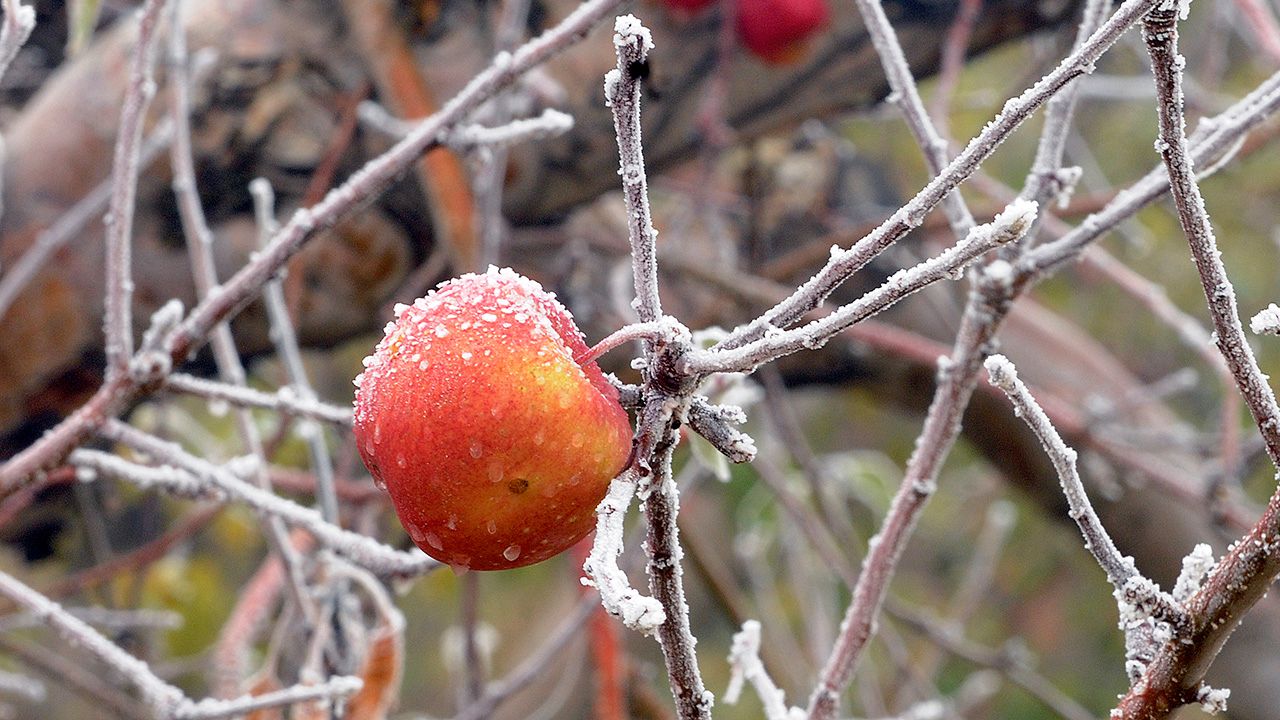
Deputy Minister Hoang Trung added that localities should monitor the weather, prepare frost-protection materials and short-term seed varieties, and ensure recovery capacity after natural disasters. Provinces are also urged to enhance production linkages, expand raw-material regions, increase mechanisation, and promote processing. Market information updates and trade-promotion activities are expected to support consumption strategies through the winter season.
Source - https://www.freshplaza.com