Temperatures in many parts of China are still high. Weather forecasts warn that more than 20 provinces will experience prolonged 'sauna days' with temperatures well in the thirty degrees Celsius and humidity above 50%.
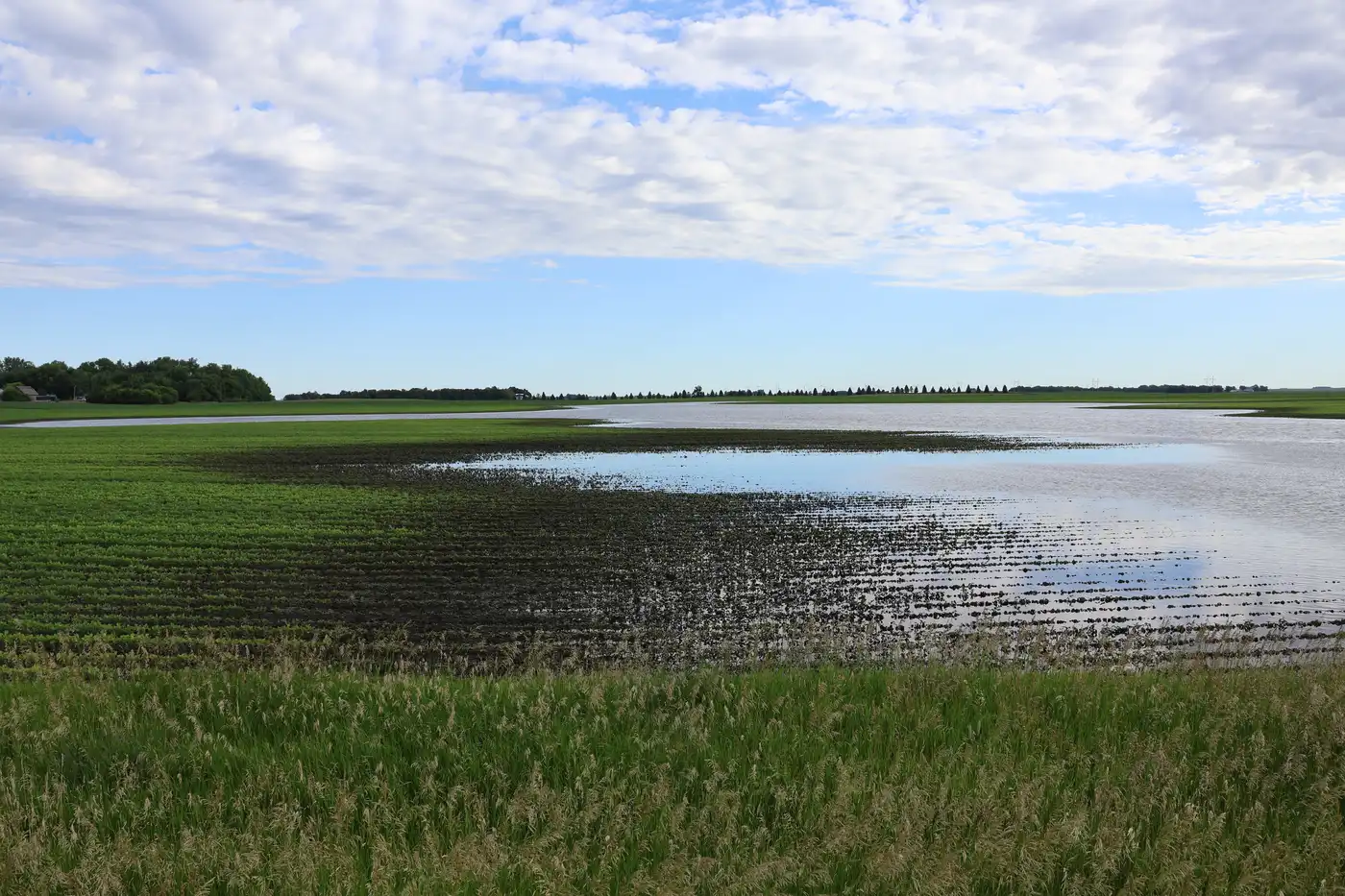
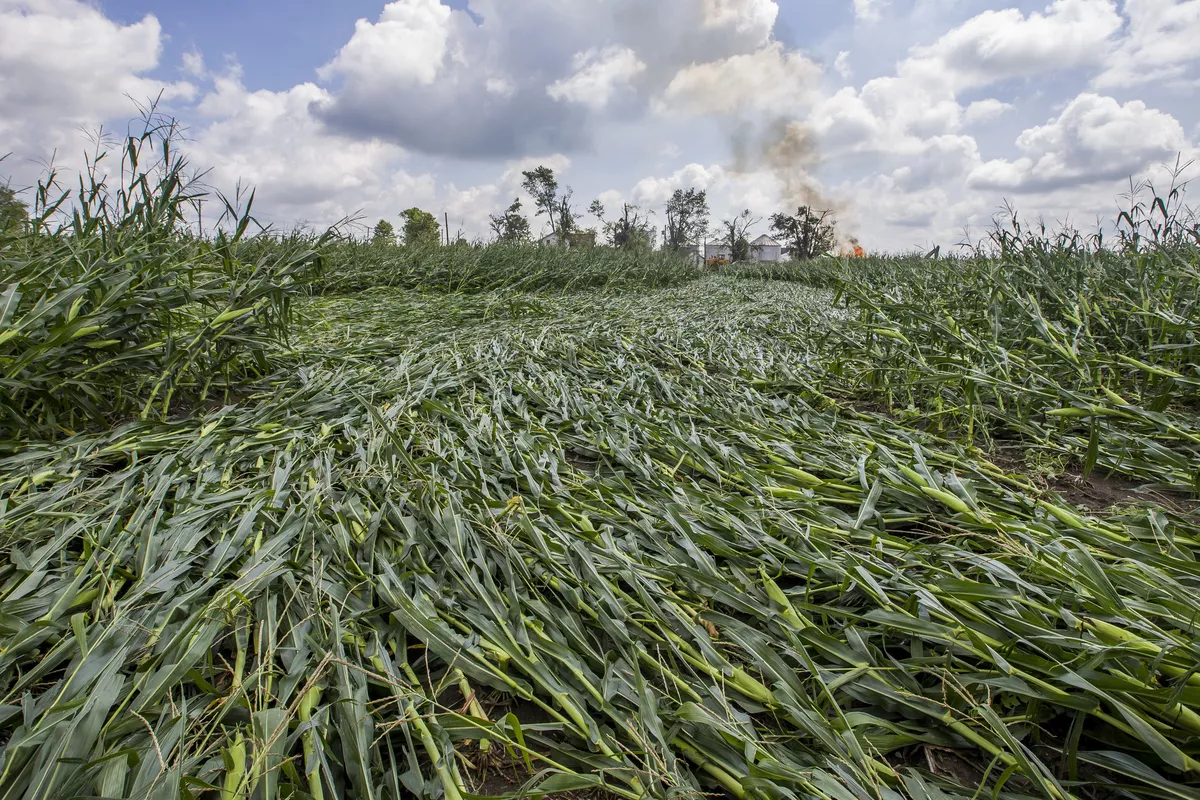
The high temperature brings not only hot weather but also droughts and floods caused by deviations from normal temperature and precipitation. Northern places, including Hebei, Beijing, Tianjin, and others, have experienced heavy rainfall and flooding, killing at least 20 people and displacing hundreds in the first half of August.
This region, China's so-called 'vegetable basket,' is an important component of China's vegetable production. After the flood, China's agricultural authority stepped in to minimize the impact on vegetable cultivation and to ensure a stable supply.
The Ministry of Agriculture and Rural Affairs said last week that eight provinces, including Hebei, would receive 432 million yuan ($60 million) in flood relief funds to support agricultural output.
Local authorities should promptly initiate drainage measures for flooded vegetable fields and implement targeted measures to support autumn sowing, the Ministry of Agriculture and Rural Affairs said in a statement on its website.
In addition, the ministry urged vegetable-producing areas in the country's southern provinces to increase vegetable growing on idle fields this winter while asking those in northern regions to better use farming facilities such as greenhouses to increase the local supply of fresh vegetables.
If not weather, then the scorching temperatures are having their effect on the region's vegetable production. A tomato grower from Shandong commented that this year, in key production areas such as Gansu, Inner Mongolia, and Hebei, the highest temperature exceeded 37 degrees Celsius. More than 25 days of continuous high temperatures and no rain shortened the ripening period of the tomatoes.
Last year's natural maturity period is 65-70 days, but this year it only takes 55 days for the fruit to ripen. Premature ripening makes the fruit taste sour and tasteless.
XinJiang is a region in the West of China. Its prune season has recently started. This is a popular fruit, and the region's planting area is growing year-on-year. Yet, due to unusual spats of cold weather in Spring, the total production output of prunes has declined, and the size of each fruit is too large.
A prune trader shares her experience: "Before the Spring Festival, there was a cold wave in our local area. The lowest temperature dropped to -25°C for several days in a row, and many fruit trees were frozen to death. This was followed by a long period of frost in early May, which froze a considerable number of fruits. Finally, recent weeks' heavy rainfall is causing fruit to crack".
Heavy rains also cause losses among Sichuan's red plums. According to a grower: "This year's red crisp plums entered the market at the beginning of August. There was extremely heavy rainfall at the end of last month, followed by subsequent days of rain. This caused many fruits to crack and burst with excessive juice. This year's production is expected to decrease by more than 50%."
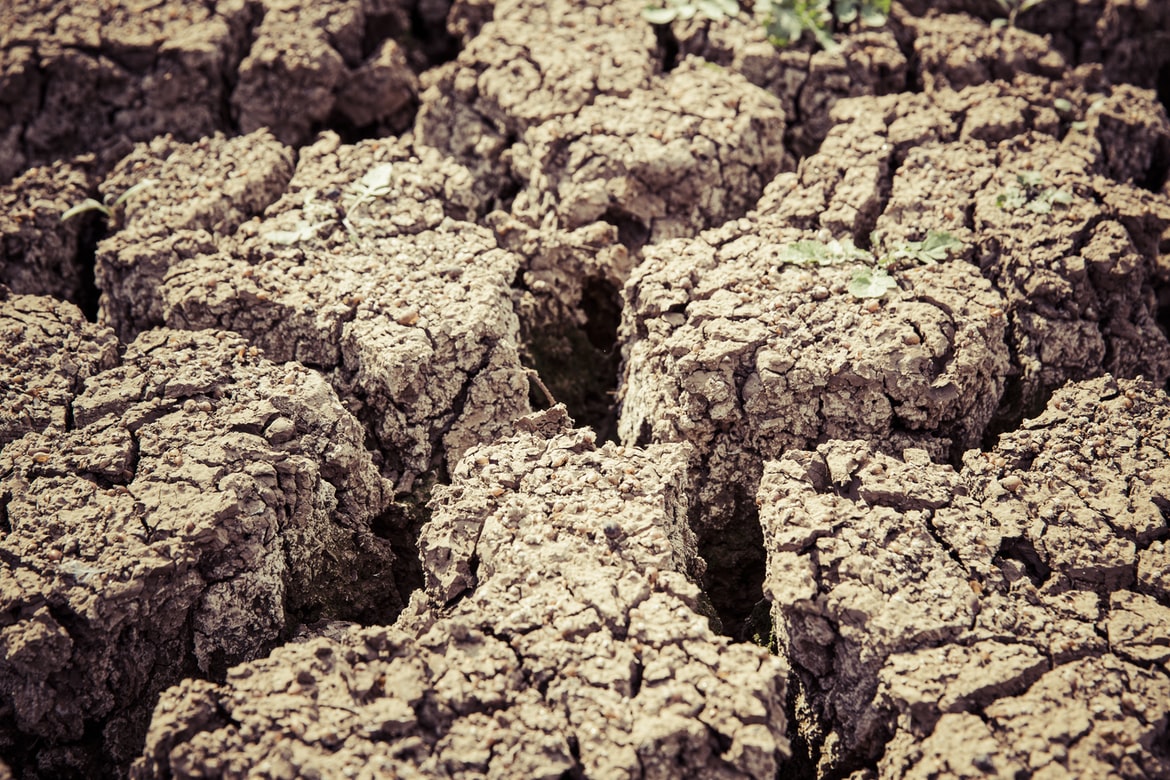
Water management is key to fruit and vegetable production. Yet the distribution of water between Northern and Southern China is uneven, leaving some fruit production regions vulnerable to droughts and others exposed to floods. Last Summer, extreme drought caused the large Yangtze to dry up, causing a shortage of hydropower.
The government tries to support growers through information management and growing advice. The Ministry of Agriculture and Rural Affairs supports the Beijing Huafeng Tianji Meteorological Service Information Center, which posts daily regional weather forecasts with detailed growing tips. This is part of a strategy to strengthen monitoring and early warning systems to inform growers ahead of time.
The Hunan Province Department of Agriculture and Rural Affairs has posted an extensive list of countermeasures to high temperatures and dry weather aimed at growers.
These range from strengthening fertilizer and water management to using shade nets, micro-spraying the greenhouse, covering up open-field fruits and vegetables with straws as sunscreens, and disease management.
For fruit trees, the Department also advises soil moisturizing and soil cooling treatment, including covering tree bases with additional soil or straw.
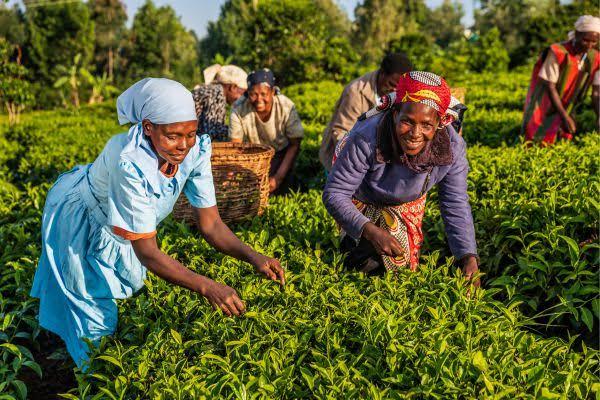
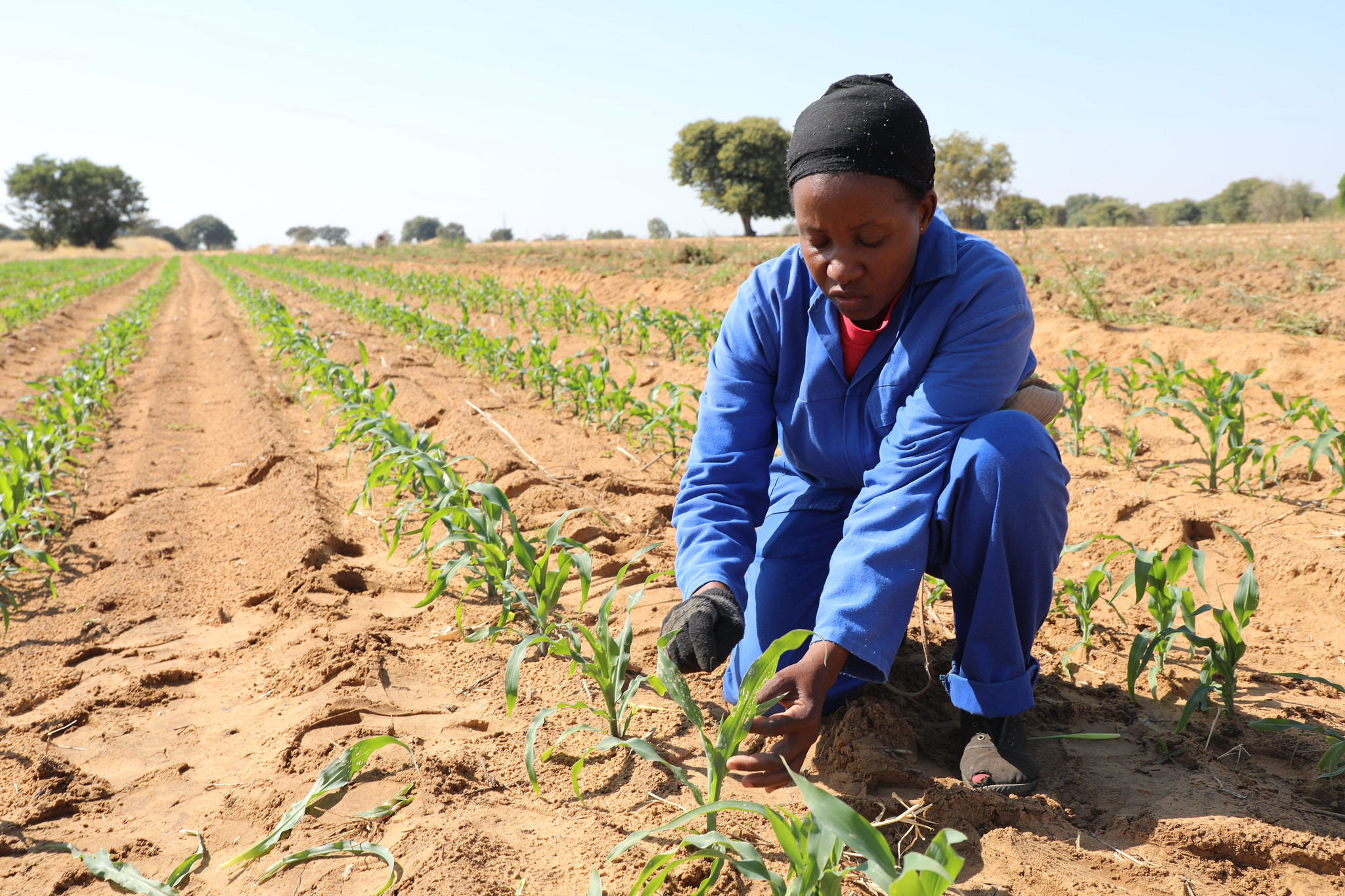
Interesting to note that the Department's extensive list of tips and advice does not include any protective measures for the people working on the land or in the orchard, who might be bearing the worst of these extreme weather conditions.
Source - https://www.freshplaza.com