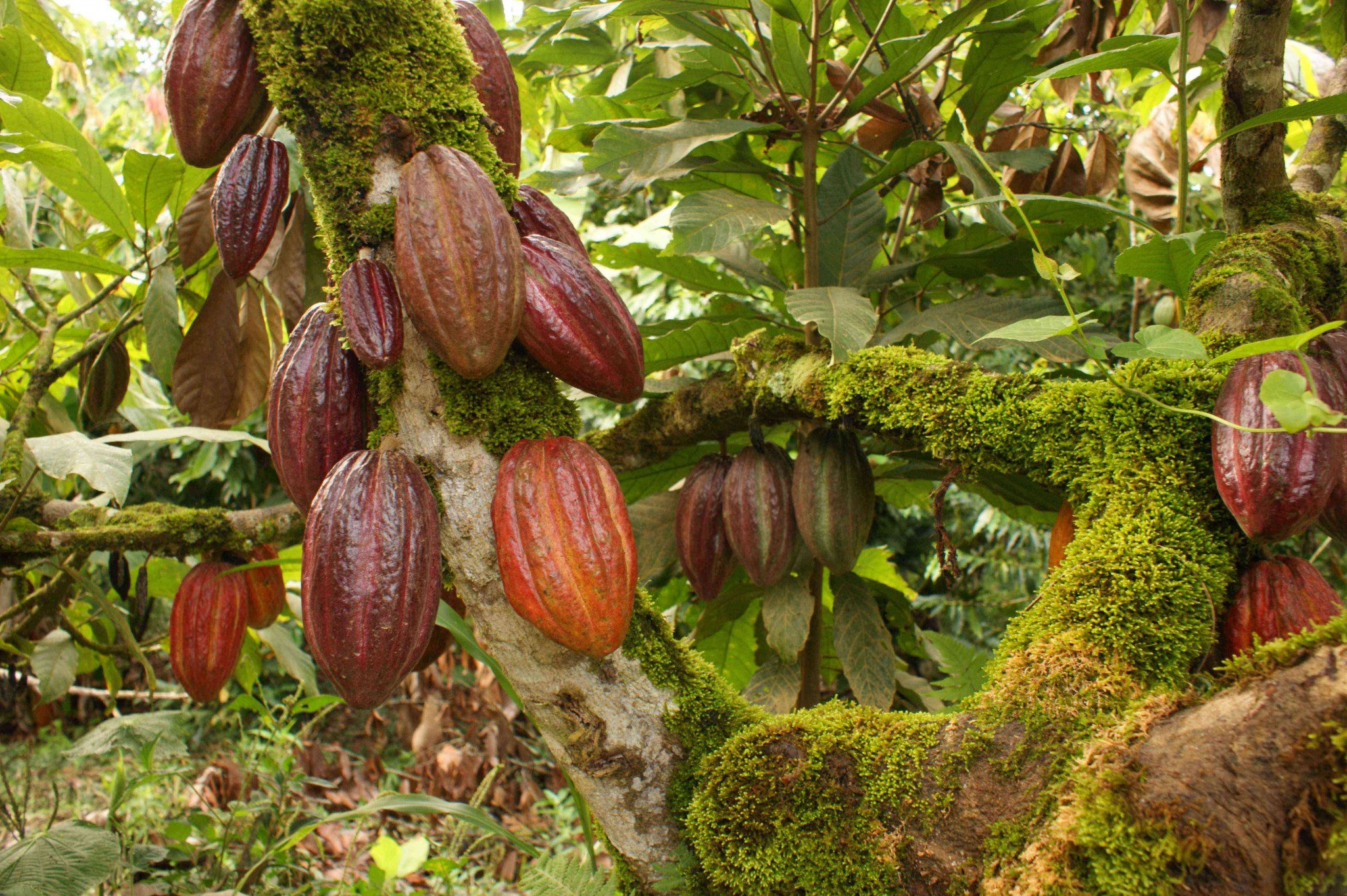
Chocolate risks becoming even more expensive if West Africa’s new cocoa harvest ends in disappointment.
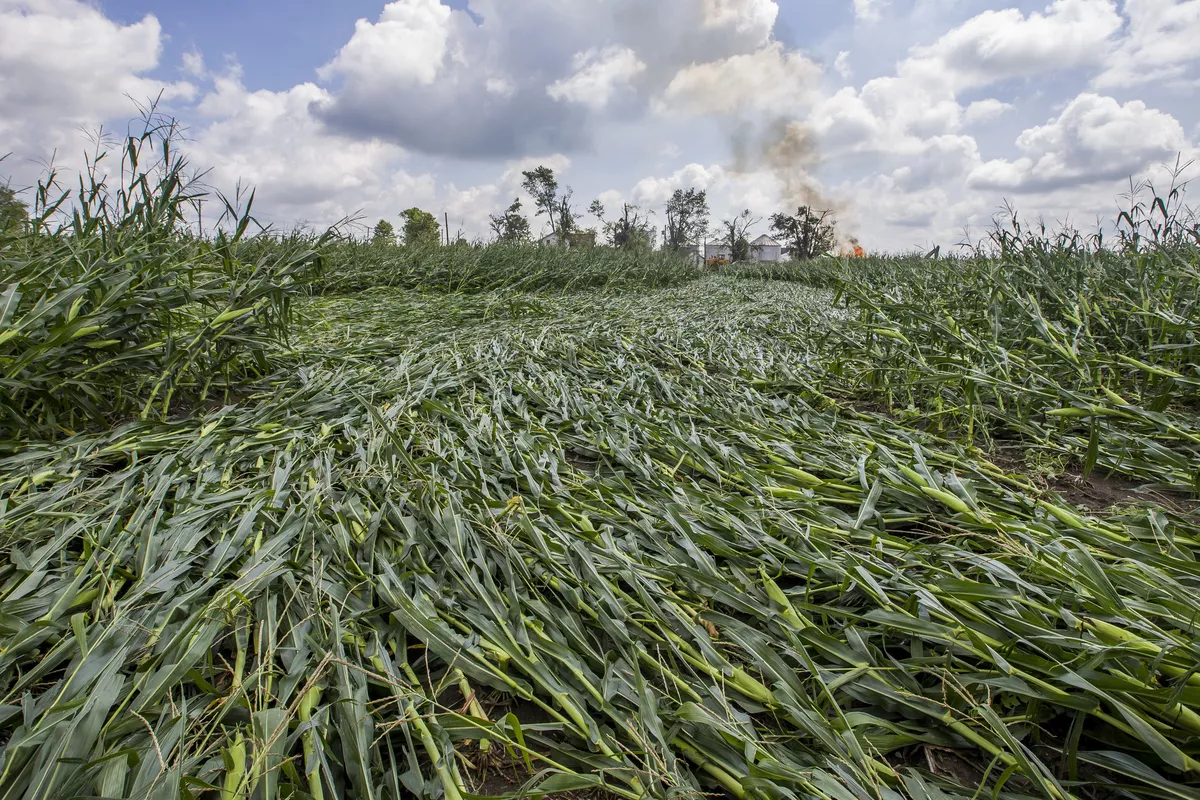
Cocoa prices have soared about 47% in the past year on fears that bad weather and crop disease will hurt output in Cote d'Ivoire and Ghana, which make up two-thirds of world supply. An El Nino weather phenomenon could make matters worse, and analysts expect a third straight global shortage for the new season that’s just starting.
That means inflation on the treat aisle may persist even as cost pressures ease for food more broadly. Top chocolate manufacturers like Hershey Co. and Lindt & Spruengli AG have already warned of possible further price hikes, and there are signs that pricier goods are hurting demand from Europe to the key growth market of Asia.
"The current situation is looking relatively dire unless there is a dramatic improvement in the outlook,” said Darren Stetzel, vice president of soft commodities for Asia at broker StoneX. "Further price increases could weigh on consumption.”
New York cocoa futures hit a 12-year high in mid-September, coming within a whisker of a price last seen in 1979, though have since eased a bit. The rally was driven by too much rain, as well as pest and disease outbreaks that plagued crops in West Africa.
The key question for now is how big the larger of two annual harvests, which recently kicked off in Ghana and is starting in Cote d'Ivoire, will be.
Complying with cocoa traceability rules of the European Union, which imports 68% of Cote d'Ivoire’s beans, issues like produce smuggling and climate change will be challenges the sector faces going forward, Yves Kone, managing director of industry regulator Le Conseil Cafe-Cacao, said.
Difficult task
"Climate change dangers threaten our cocoa,” Kone said at a ceremony in the capital, Abidjan, to usher in the new season. "The task will not be easy because we have the responsibility to maintain the cocoa in good production condition,” he said, without giving an outlook on production.
Cote d'Ivoire in July forecast output from the main-crop season that runs from Oct. 1 through March to shrink by almost a fifth from last year, people familiar with the matter said at the time. The amount could still change after some farmers held back supplies from the smaller mid-crop in anticipation of higher prices in the new season.
The country raised the price farmers will get starting from Sunday by 11% to 1,000 CFA francs ($1.61) per kilogram, falling short of growers’ hopes of a 44% increase.
Analysts at Rabobank and Marex expect West African output to drop in the 2023-24 season. Marex forecasts the global deficit at 279,000 tons, more than the previous two shortfalls combined.
The tight market is being reflected along the supply chain. Cocoa factories around the world have slowed the processing of beans into products used in confectionery. Trader Cargill Inc. recently said high prices are starting to dent demand increases in Asia, and Swiss grinder Barry Callebaut AG in July reported lower sales.
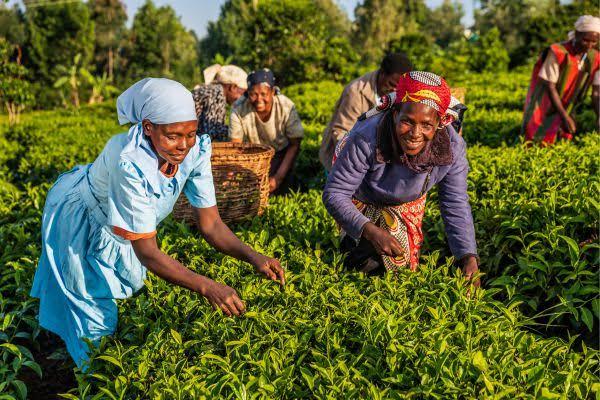
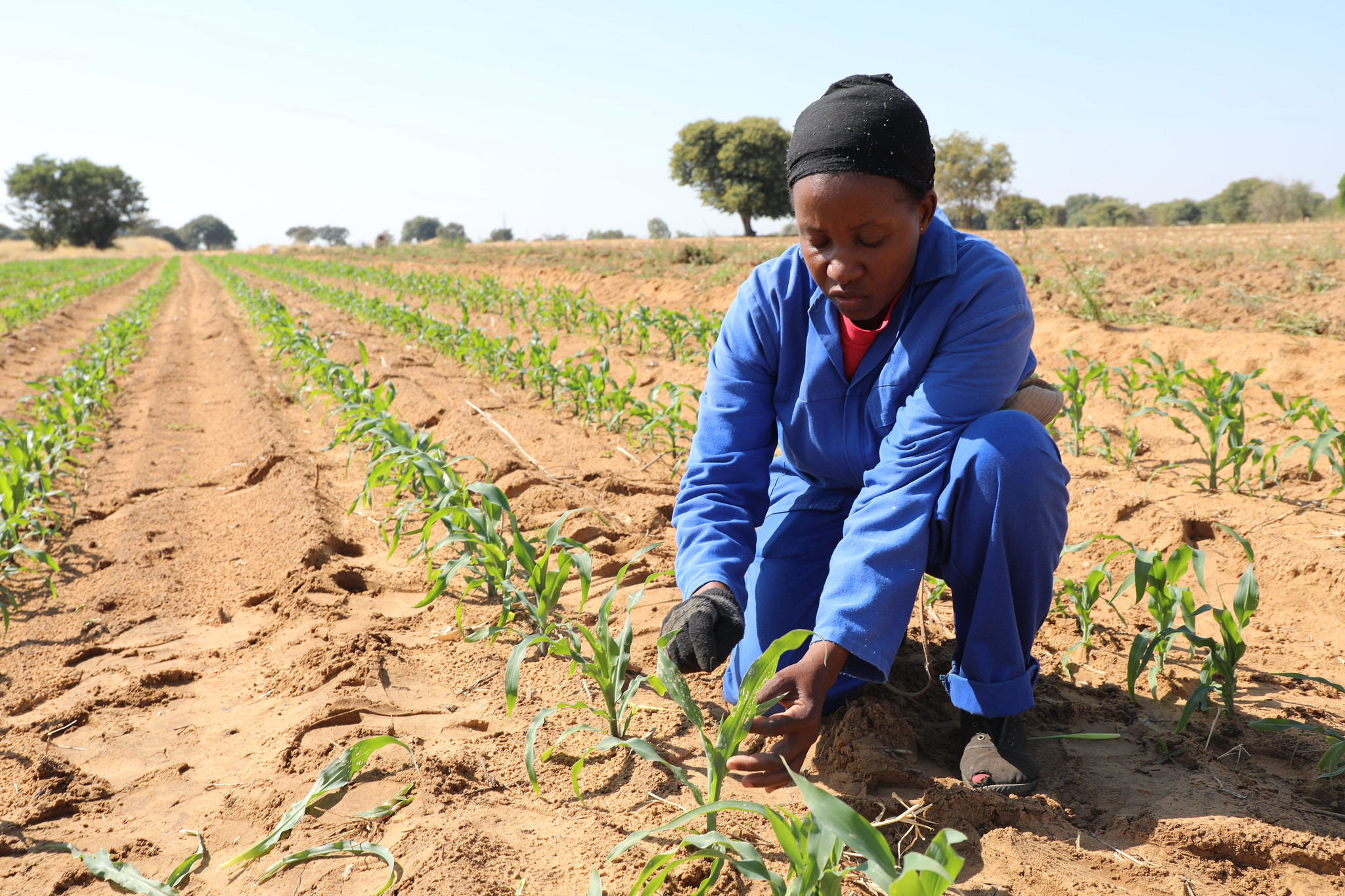
African harvests have also been stifled because farmers have faced higher costs or shortages of inputs like fertilizers and pesticides. Many live below the poverty line and their pay is set by authorities, meaning they don’t immediately benefit from higher futures prices.
That’s making it harder to boost or treat ravaged trees. Swollen-shoot disease is the most underestimated threat to output in top grower Cote d'Ivoire, affecting about a fifth of the nation’s crop, said Steve Wateridge, head of research at Tropical Research Services.
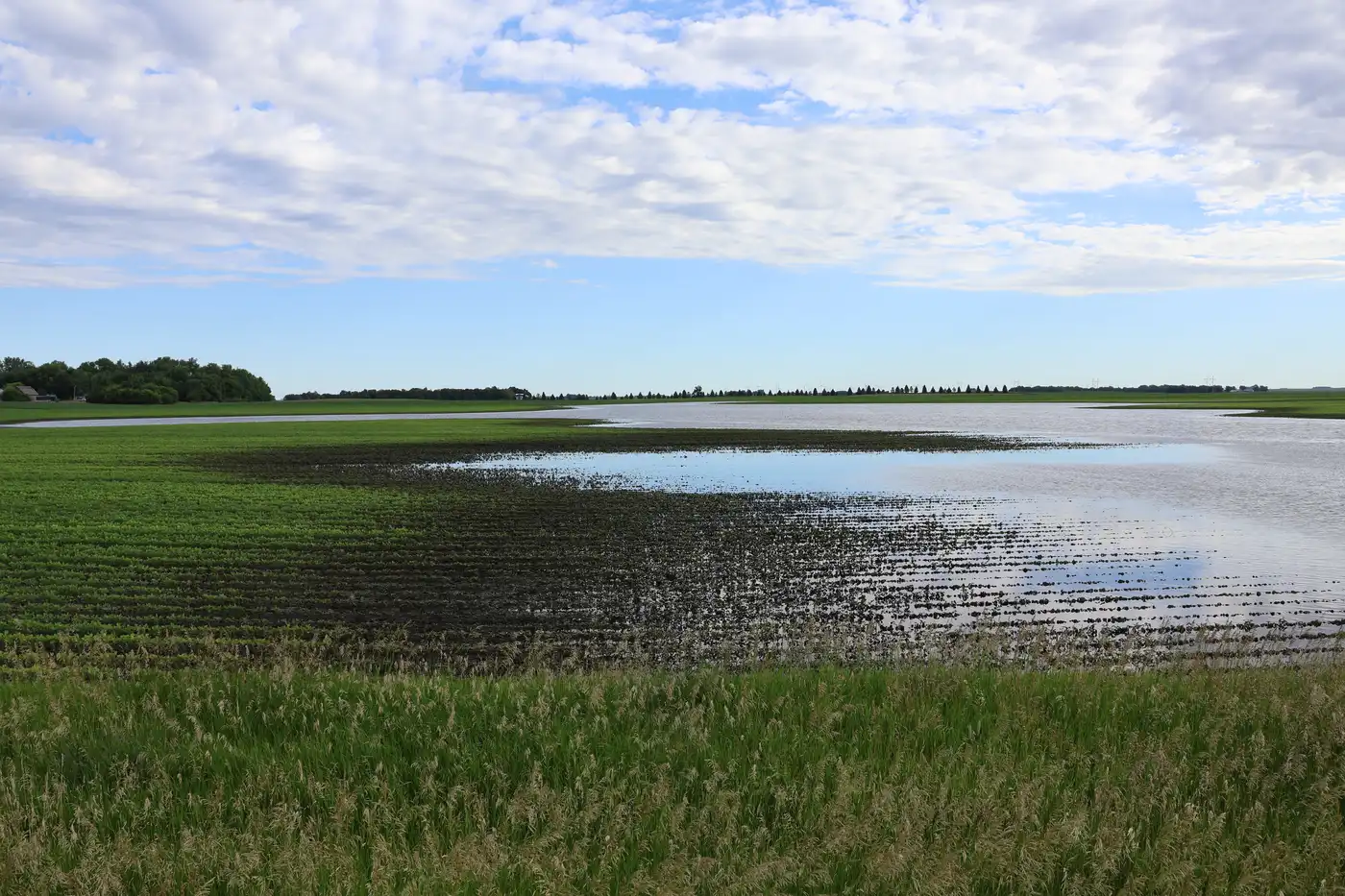
For the new season in Cote d'Ivoire, farmers in the Daloa region expect to collect a smaller crop due to lack of pods. Those in San Pedro say the harvest will be delayed after rains flooded plantations, though some Ivorian growers will reap bigger crops due to young trees that are more resistant to disease.
Roughly a 10th of last season’s harvest was lost in Ghana’s Kwarbeng, north of Accra, mainly due to black-pod disease and a lack of chemicals, said Michael Acheampong, who supervises more than 1,500 growers. There’s a risk that aging trees means Ghana’s output is now on a downward trend, Wateridge said.
Farmer pay
Ghanaian growers have however been given a lift after the country, which began the new season three weeks early to limit sales disruption, raised their pay more than 60% to discourage smuggling into Cote d'Ivoire and spur investment. That could lead to more production, Acheampong said.
But it may take time for any output increase to feed through to lower prices, and worries still linger that the El Nino weather pattern could cause dryness later in the season and threaten crops.
Plus, there are concerns that new European deforestation rules will have a knock-on effect of raising costs for the chocolate industry — and ultimately consumers.
For now, how West Africa’s harvest fares will be the key driver of cocoa prices.
"Chocolate is a luxury good so it does not always follow an elastic price-against-demand correlation,” StoneX’s Stetzel said. "But higher prices will ultimately mean lesser consumers.”
Source - https://www.japantimes.co.jp