Egypt’s climate has been defined by its hot desert, scarce rainfall, and vulnerable water resources dependent on the ebb and flow of the Nile, sporadic rains, and dwindling groundwater reserves.
As the world faces threats from climate change, questions about Egypt’s agricultural sector’s ability to adapt and endure arise.
On 21 November, Prime Minister Mostafa Madbouly inaugurated the New Valley Agricultural Exhibition, where many agricultural and industrial companies discussed scientific research in the field of agriculture, and how climate change impacts farming practices in Egypt in arid regions.
According to a 2007 research paper by the World Bank Development Research Group, climate change impacts agricultural activities significantly for low-input farming systems in developing countries in Africa.
Egypt is particularly vulnerable to climate change, as reported by a 2021 paper on Climate Change and Egypt’s Agriculture, as it threatens the country’s primary water resource, the Nile River, crucial for food production and other essential uses, according to a 1997 paper on the impact of climate change on Egyptian agriculture.
In the early 1990s, Egypt’s water availability fell below the international water scarcity threshold of 1,000 cubic meters per capita per year. By 2007, annual per capita water availability had dropped to below 700 cubic meters, nearing the water poverty threshold, the 2021 paper reported.
Egypt’s already arid climate could suffer even higher temperatures, lower rainfall over key agricultural areas due to climate change, and higher demand for water for food production, requiring further urgent adaptation investments, according to a 2021 paper on Climate Change and Egypt’s Agriculture.
Food Insecurity
By 2050, food production is expected to face significant challenges, as climate change could increase water demand for summer crops by as much as 16 percent while reducing it by up to 2 percent for winter crops.
Projections also indicate a reduction in crop yields according to the 2007 paper. For example, rice production could drop by 11 percent, while soybean yields may fall by as much as 28 percent, compared to current levels. Additionally, maize production may decline by 19 percent, while barley grain yields could decrease by 20 percent.
However, certain crops are expected to see growth, with cotton seed yields projected to increase by 17 percent with a 2°C temperature rise and by 31 percent with a 4°C rise.
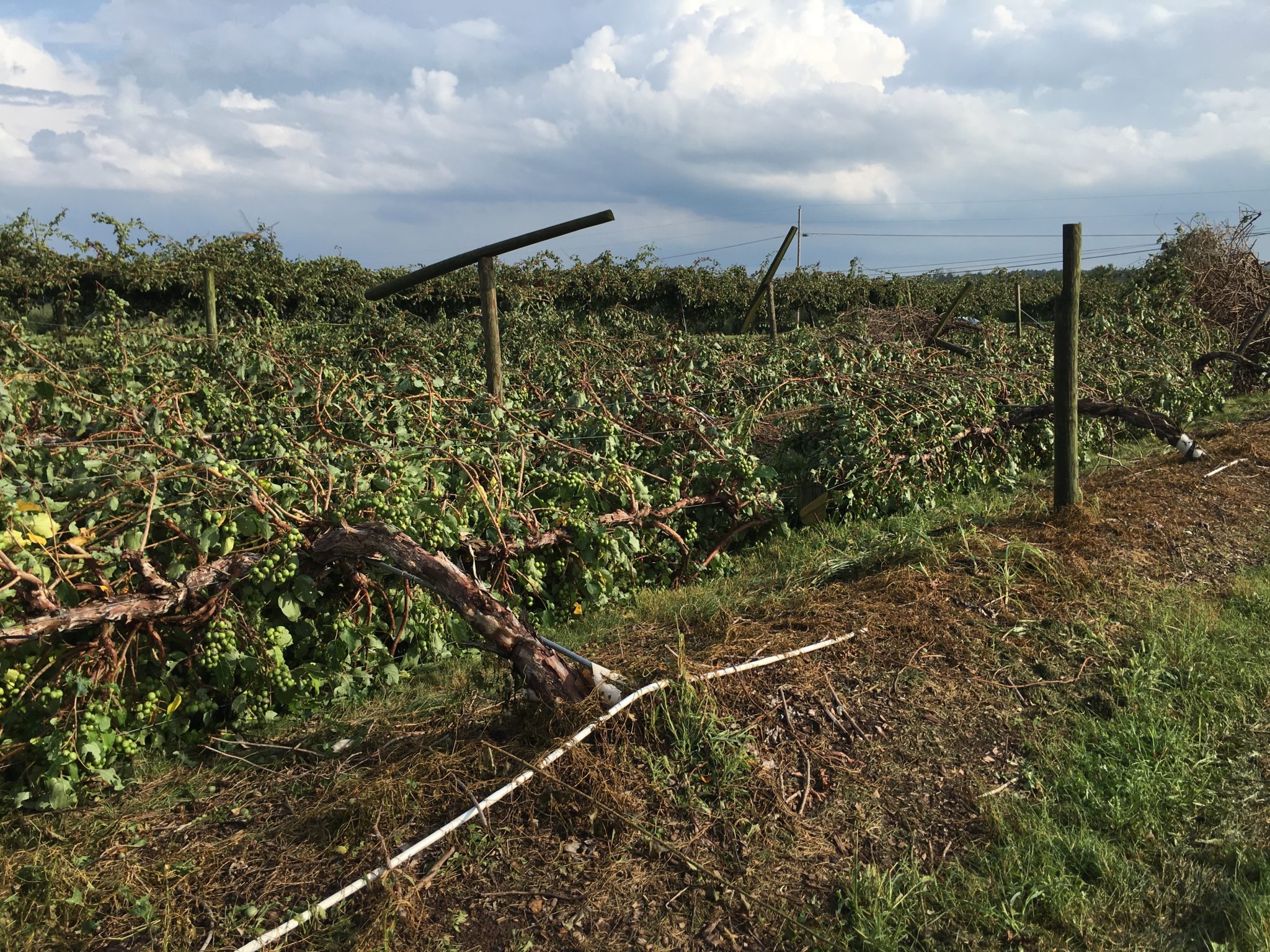
If no adaptation measures are implemented, climate change could devastate agricultural productivity, unleashing severe consequences for Egypt’s farming sector, warned a 1997 paper on the impact of climate change on Egyptian agriculture.
The Egyptian government recognizes the need for the country to adapt to climate change, according to Egypt’s Intended Nationally Determined Contributions (INDC) 2015 report as per the United Nations Framework Convention on Climate Change.
Some of their strategic measures to adapt to climate change include adjusting sowing dates and improving management practices. On a national scale, shifting to crop varieties that are more tolerant to heat, salinity, and pests, along with changing crop patterns are also promising strategies.
Using a combination of advanced irrigation methods, such as upgrading surface systems and applying deficit irrigation, can further improve water efficiency on traditional farmlands, helping to mitigate the impacts of a changing climate, the report suggests.
Other adaptation actions include building an effective institutional system to manage climate-related crises, enhancing the genetic diversity of plant species for higher productivity, and ensuring the biological diversity of livestock, fisheries, and poultry to support food security.
Additionally, developing agro-economic systems resilient to climate change, improving irrigation efficiency while preserving land, and revising land use policies to address the impacts of sea-level rise on the Delta could prove successful.
Suggested solutions focus on creating climate-resilient farming systems, improving irrigation, revising land use policies for sea-level rise in the Delta, protecting rural communities, and helping them adapt to changes in farming, land use, and migration caused by climate change.
While Egypt’s Vision 2030 prioritizes addressing climate change, integrating a sustainable ecosystem, and enhancing the ability to confront natural risks, according to Egypt’s 2015 INDC report, more research is urgently needed on climate change impacts and adaptation in agriculture to create effective strategies and overcome challenges like limited data, poor planning, and insufficient funding.
In the face of rising climate challenges, Egypt’s agricultural future depends on swift adaptation to climate change, using innovative and sustainable practices to protect its farming sector and ensure long-term food security.
Source - https://egyptianstreets.com