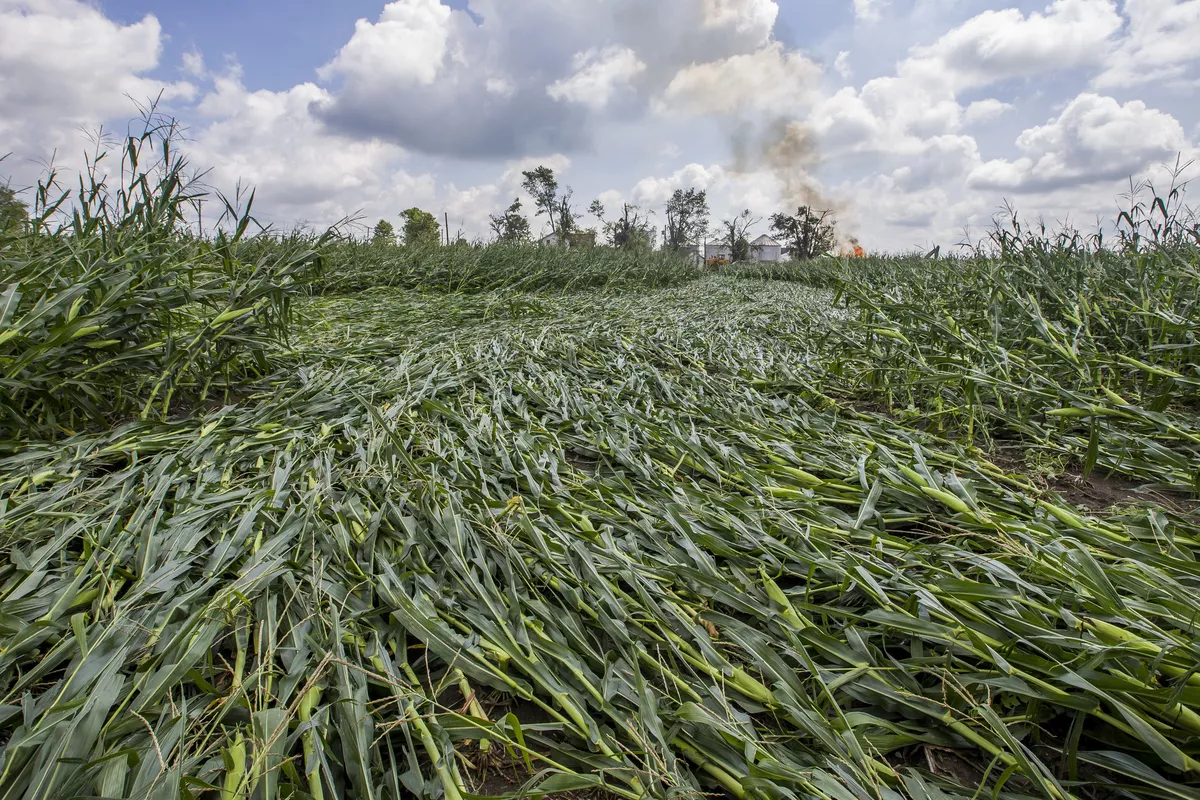
Pests and diseases are exacerbating crop shortages that have sent prices for goods like cocoa, olive oil and orange juice soaring. That’s set to become even more prevalent as extreme weather events multiply.
Already, plant diseases cost the global economy over $220 billion every year, and invasive insects at least $70 billion, according to the U.N.’s Food and Agriculture Organization. Pests adapt easily to the changing climate, with warmer temperatures allowing them to generate more quickly and migrate faster, in turn reducing crop yields, according to Leah Buchman, an entomologist at Georgetown University.
"As temperatures rise, you have this expanded geographic range and this expanded range of insects that will just increase those diseases that insects spread,” Buchman said.
As a result, destructive moths native to the Americas have been found devouring corn and other grains across Africa and Asia. A whitefly associated with tropical and subtropical climates has been destroying tomato plantations in Europe. Below are some of the crops that are struggling as the enemies that destroy them increase.
Cocoa
West Africa, home to two-thirds of global cocoa supply, has seen serious difficulties with its crop in recent seasons, causing wholesale prices to soar near historic highs this year.
Two diseases in particular have compounded the problem. Black pod disease is caused by fungal-like organisms that spread rapidly on cacao pods under humid conditions, turning them black or brown. It has caused destruction of up to 30% of annual cocoa crops, according to the several studies. Prolonged periods of heavy rain combined with irregular patterns have increased opportunities for it to spread.
Swollen shoot virus is transmitted via mealybugs that feed on the sap of cocoa plants, and significantly reduces crop yields before eventually killing the plant. Mealybugs thrive in warmer temperatures, and can spread the virus quickly even if only a single seedling is infected. Uprooting infected trees is the only way to control the disease, according to World Agroforestry. About 20% of the cocoa crop in Ivory Coast is infected with swollen shoot, said Steve Wateridge, head of research at Tropical Research Services.
Tomatoes
The price of tomatoes in India soared 700% last month, an increase so out of the ordinary that it has sparked social media memes comparing the cost of the essential ingredient with anything from petrol to political influence.
The crop’s output took a hit amid delayed monsoon, heavy rains in some growing areas and hotter-than-normal temperatures in June. But it has also suffered because of the so-called silverleaf whitefly.
The sap-feeding insect has the ability to transmit hundreds of plant viruses, crimping production of key crops like tomatoes, but also cassava, beans and sweet potatoes. In India, the highly infectious tomato leaf curl virus transmitted by the insect contributed to devastating losses. The virus was recently introduced to Europe, possibly from India, and has been causing outbreaks in several European countries. The insects have shown high adaptability to changes in agro-ecosystems, with a combination of hot weather and high humidity resulting in the insects’ buildup.
Olives
Spain, the world’s largest olive oil producer, is facing its own type of oil crisis as drought has caused output to dwindle, more than doubling wholesale costs in the past year. But it’s not only extreme heat and dryness that’s biting into European olive farmers’ production.
With temperatures in the region rising, fending off certain diseases has become more difficult. Xylella fastidiosa is "one of the most dangerous plant bacteria worldwide,” according to the European Commission, and has the potential to cause an annual production loss of €5.5 billion in the EU. The bacterium kills plants by clogging vessels that carry water from roots to leaves, slowly choking them to death.
Temperatures below minus 5 degrees Celsius can reduce the disease viability, but with winter seasons reaching those temperatures less frequently, the distribution of suitable areas for the bacteria may change. In Italy, at least 20 million of the country’s 150 million olive trees have already been infected, mostly in the region of Puglia, which used to contribute up to 50% of Italy’s total annual olive oil production.
Grains
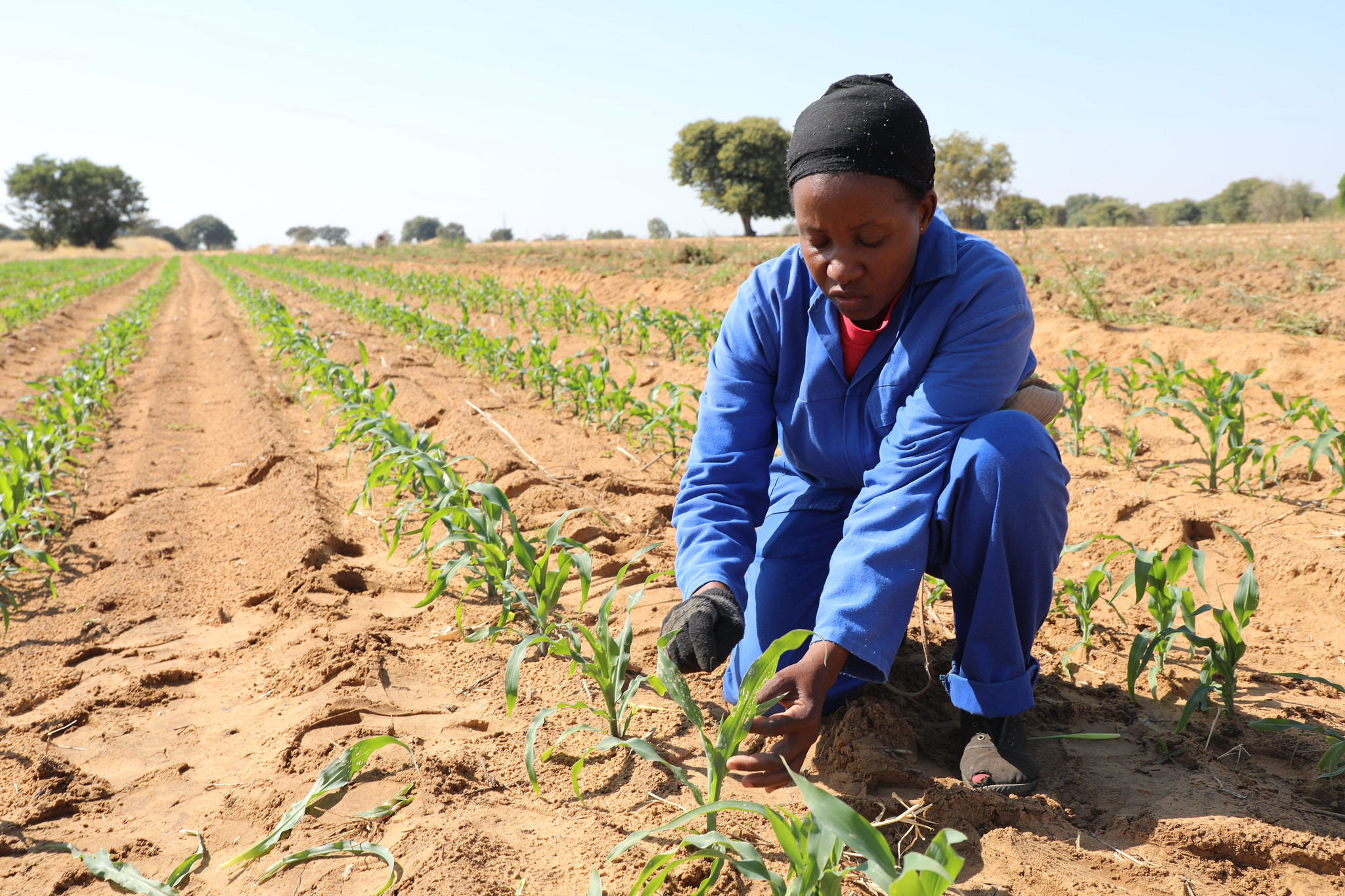
The global grains trade has faced trouble for a number of reasons, not least due to recent escalations in Russia’s war against Ukraine. While prices have remained more or less in check, unfavorable weather and pests have sparked local production issues in some countries.
That’s true in China, one of the world’s top growers of corn, where pests like the fall armyworm are attacking plants earlier than usual. Native to the Americas, the destructive pest is now found across various continents including Asia and Africa. Fall armyworms can migrate hundreds of kilometers in a single night during their moth stage, and produce many eggs, raising their chances of survival. Warmer and humid weather supports survival and reproduction of the pest, allowing larvae to begin their assault much earlier in a crop cycle.
Orange juice
Damage from hurricanes, frost and diseases have decimated orange groves in Florida, pushing U.S. orange juice futures to record highs this month. Orange growers across Brazil and the U.S. are struggling to battle the citrus greening disease, a fatal illness that causes fruits to get smaller, fall off trees and produce bitter juice, causing a global shortage.
The disease, transmitted by a insect known as the Asian citrus psyllid, is considered the most serious threat to citrus plants. In Brazil, nearly one in four orange trees in Sao Paulo State and western Minas Gerais have the disease, according to research group Fundecitrus.
An increase in average temperatures in parts of the country’s citrus belt can benefit the spread of the insect that carries the bacteria, according to a study by Brazilian Agricultural Research company Embrapa. Citrus crop output in Brazil, the world’s top exporter, has also dwindled due to the disease.
Source - https://www.japantimes.co.jp