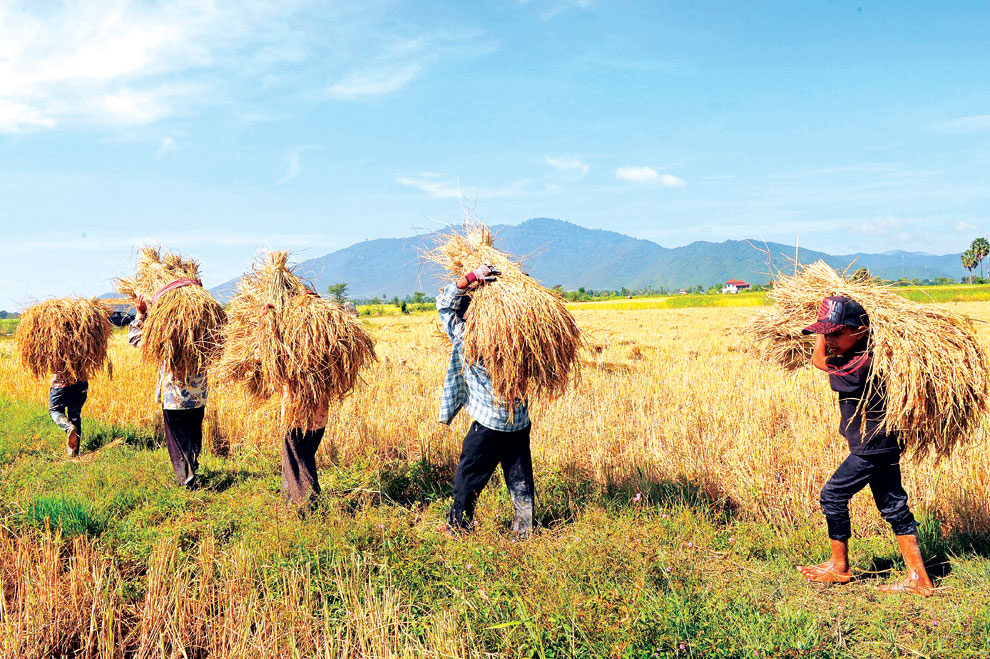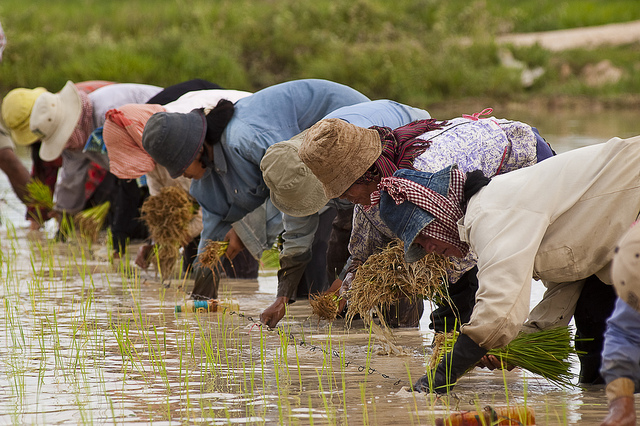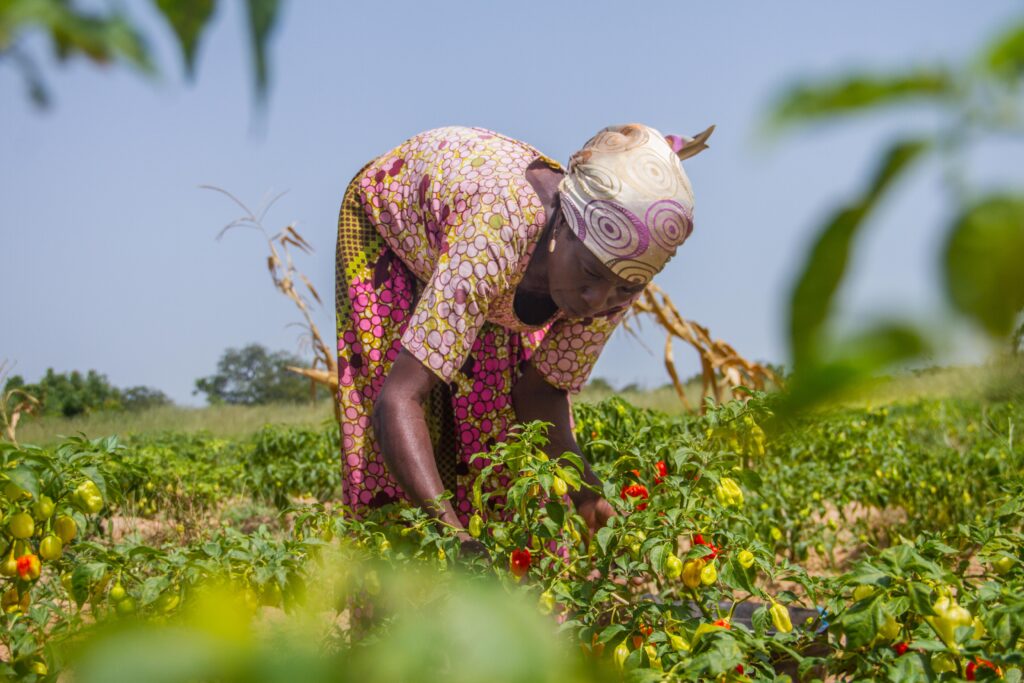
The Ghana Agricultural Insurance Pool (GAIP) and its partners have rolled out a unique insurance product for farmers in the northern part of the country to help them mitigate the negative impacts of climate change.
The product, Germination Index Insurance (Gll), seeks to safeguard farmers against climate change impacts, particularly erratic rainfall patterns that affect seed germination and crop yields.
The GII climate risk mitigation intervention is designed to protect smallholder farmers against poor seed germination caused by insufficient or excessive rainfall during the critical early planting period.
GAIP of the Ghana Insurers Association (GlA) is implementing the intervention in collaboration with the Delft University of Technology in the Netherlands, the University for Development Studies in Tamale, the Trans-African Hydro-Meteorological Observatory (TAHMO), Farmerline Ghana, Ghana Meteorological Agency (GMet) and other partners in Europe and Africa under the TEMBO Africa Project meant to enhance climate resilience among smallholder farmers.
Beneficiaries
The project is being implemented in the Upper West and Northern regions, where 160 farmers across five communities have so far been enrolled after early rains disrupted initial registration plans.
As part of the initiative, more than 2,000 farmers across 29 communities have been sensitised to index-based insurance, which uses rainfall thresholds instead of individual farm loss assessments to determine payouts.
Campaigns have been conducted across selected districts, and farmers have been engaged through local meetings, where they were taken through how the index insurance worked.
Game-changing project
The Chief Executive Officer of the Ghana Insurers Association, Dr Kingsley Kwesi Kwabahson, said the Gll product was designed for pilot implementation with the aim of scaling it up nationwide.
Dr Kwabahson, who doubles as the Acting General Manager of the Ghana Agricultural Insurance Pool, said the product was a critical risk mitigation tool to help farmers adapt to the adverse effects of climate change.
"A farmer purchases the product and plants the seed. Within 21 days of planting, if the seed does not germinate due to insufficient or excessive rainfall, the insurance is triggered and compensation is paid,” he said.
He added that if the seed germinated within the stipulated period, then the farmer would continue with the production cycle without any claim.
The GIA CEO added that prior to planting, risk assessments were conducted and farmers were educated on best practices, including the selection of high-quality seeds
Dr Kwabahson said about 10 insurance companies had formed a consortium to underwrite the risk and pay claims to farmers.
“Some of the companies are Unique Insurance, Enterprise Insurance, Hollard Insurance, Vanguard Assurance, Star Assurance, Prime Insurance and Sanlam Alliance Insurance,” he said.
He urged farmers to embrace the Gll and other agricultural insurance products being introduced in the country as part of measures to adapt to changing weather patterns and mitigate climate risks.
Dr Kwabahson noted that food security remained a national priority, and given the critical role agriculture played in Ghana's economy, there was a pressing need for insurance mechanisms to cushion farmers against unforeseen shocks.
Implementation
Following the sensitisation phase, the project progressed to implementation, targeting regions most vulnerable to rainfall variability, including the Upper West, Northern, Savanna and North East regions.
The Farmerline MERGDATA mobile platform was deployed to digitally register farmers, capturing demographic information, farm location, and production characteristics.
Source - https://www.graphic.com.gh