Winds, droughts, and heavy storms are affecting key agricultural regions around the world, causing many farms to fall short of their required product demand. But how exactly is climate change affecting some of our most loved produce and what does this mean for the future of the crops? CIA Landlords have researched the foods that are most affected by climate change.
Tomatoes in Italy
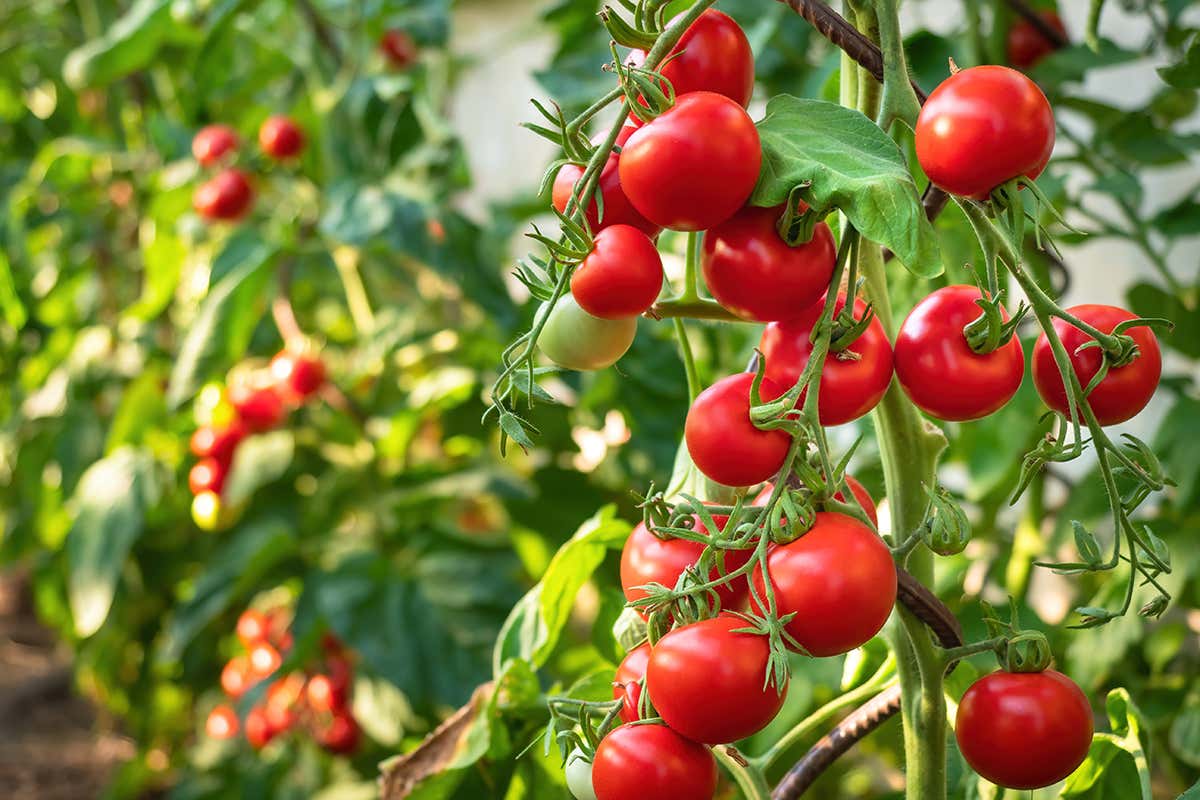
Italy is the largest tomato producer in Europe, supplying an average of 6 - 7 million metric tons per year. However last year, farms in Northern Italy were 19% under the contracted volumes and sadly, this is expected to decline even further. This is because the climate, that was once a warm paradise perfect to grow the fruit, is now becoming colder and more susceptible to rain. These lower temperatures are slowing the ripening process of the fruit, and in 2019 less than half of the contracted volumes were produced on time. If this continues to happen, the supermarket prices will continue to increase and we could begin to see shortages on the shelves.
Italy’s forests have also declined in recent years because cows in Italy, which are used to produce ‘fine leather goods,’ are needing the space to be reared. This, in turn, has decreased the amount of oxygen and CO2 in the air. This will have a negative effect on citizens' health - polluted air can not just exacerbate existing respiratory illnesses but also cause them.
Almonds in California
California grows 80% of the world’s export of almonds and the state’s industry is now worth $6 billion. However, the growing process of almonds is lengthy and requires a lot of both physical and human energy. California uses 60% of the honeybee hives in the country just for almond pollination each winter, and the cost of transporting the bees, and keeping them in cold storage until this point means that the carbon footprint of almond production is huge.
Almonds also require the most water to grow out of all nuts, just one seed needs 3.2 gallons to reach the size needed in order to be turned to milk. This is becoming increasingly difficult as the popularity of almond milk has risen - this diary alternative makes up 63% of the plant-based milk market. However, droughts across California are causing farmers to abandon their orchards as there is barely enough water to sustain them. The droughts have also meant farmers are having to treat the almonds with different pesticides, some of which are deadly for honeybees, an already endangered species. As a result California could begin to see a decline in greenery and flowers, that the bees would have pollinated, and the price of almonds could rise.
Soybeans in Brazil
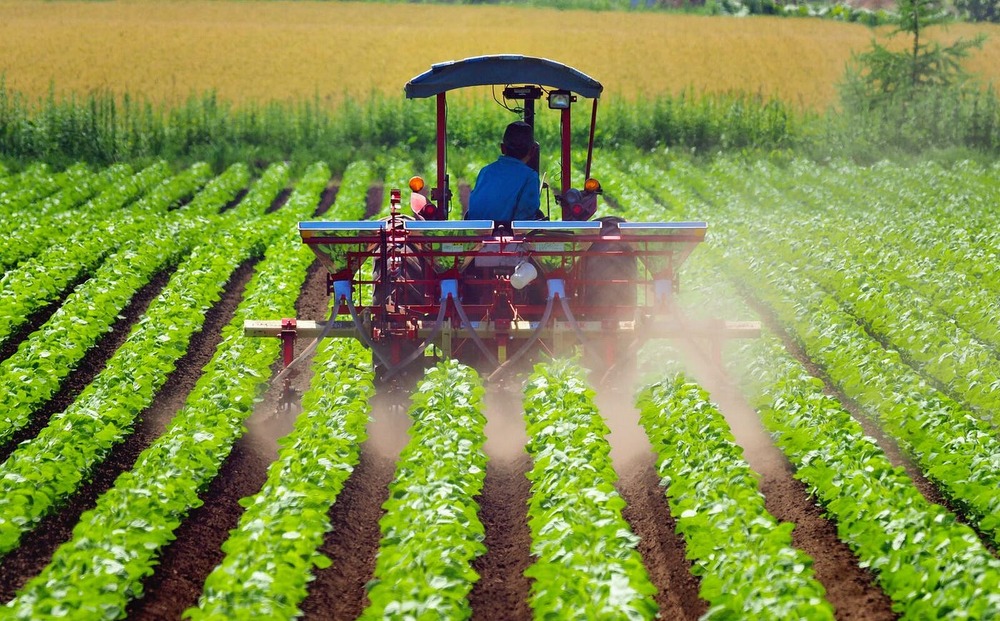
The weather in Brazil is becoming hotter and drier. But with soybeans growing best in warm and moist climates, farmers are having to adapt how they grow the crop. By using different pesticides, and forcing the plants to become more tolerant of different climates, farmers have been able to effectively increase the amount of soybeans produced. However, this is not sustainable as the climate will continue to worsen. Consequently, it is forecasted that the soybean production will decrease by 86–92% by 2050.
Soybean plants also require lots of space, and land throughout Brazil has been deforested to make way for rows upon rows of the crop. This has occurred most in the Amazon, where mass fires have been lit to make room for the crops, as a result scientists have confirmed the rainforest now emits more CO2 than it absorbs. This is a global problem as we rely upon the Amazon to provide us with 6% of the world’s oxygen supply and to keep carbon out of the atmosphere. If we continue to destroy this space, the air quality of our planet will decrease and global warming will be exacerbated. This will present itself in increased temperatures, changing rainfall patterns and biodiversity and agriculture will decline around the world.
Coffee in Brazil
The production of one of the world’s most loved drinks, coffee, is expected to reduce by 76% in Brazil alone in years to come. This is because coffee plants grow at their best in moist, tropical climates, with soils and temperatures that reach around 21°C. However, climate change is drying the air in Brazil, making the climate less than ideal for growth, causing a decline in coffee bean production. But it is not all sad news for the latte lovers out there as Italy is hoping to be able to produce the nation's
favourite bean soon due to their rising temperature.
Hazelnuts in Turkey
Turkey is the main producer of hazelnuts, with Italian confectionery giant Ferrero Group depending on the country for 80% of the nut for their various sweet treats, including the Ferrero Rocher. The country also accounts for 82% of global exports of the nut, meaning an immense number has to be produced each year in order
to meet demand. But the erratic, and unpredictable weather that Italy has been facing has caused a decline in hazelnut growth. In 2018 forest fires broke out on the Mediterranean coast, where many of the farms are, whilst devastating floods hit the north. This caused droughts on the farms and many of the hazel flowers failed to bloom.
There are many other foods that have been affected by the ever changing climate and it is essential that we begin to tackle the problem head on, if we want to be able to sustain growth and production of our most loved foods. By reducing our carbon footprint and thinking about how much energy we are using we can begin to fight back against climate change and stop the damage from worsening.
Source - https://www.eureporter.co