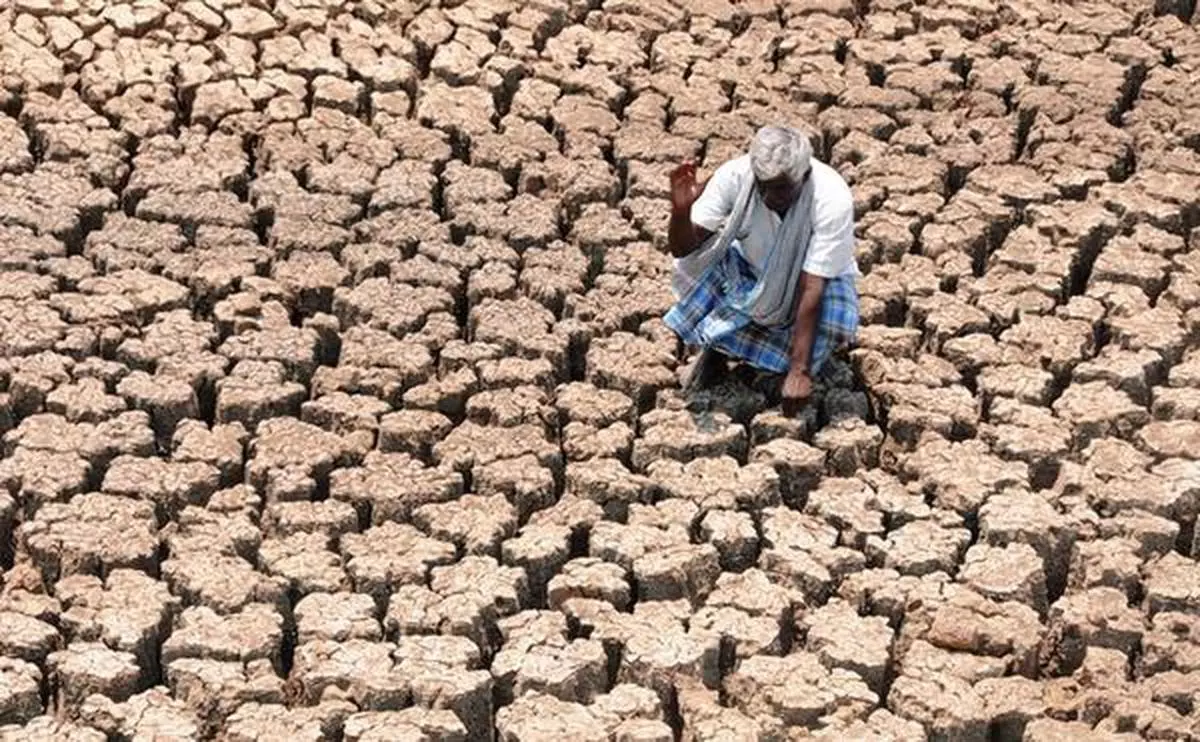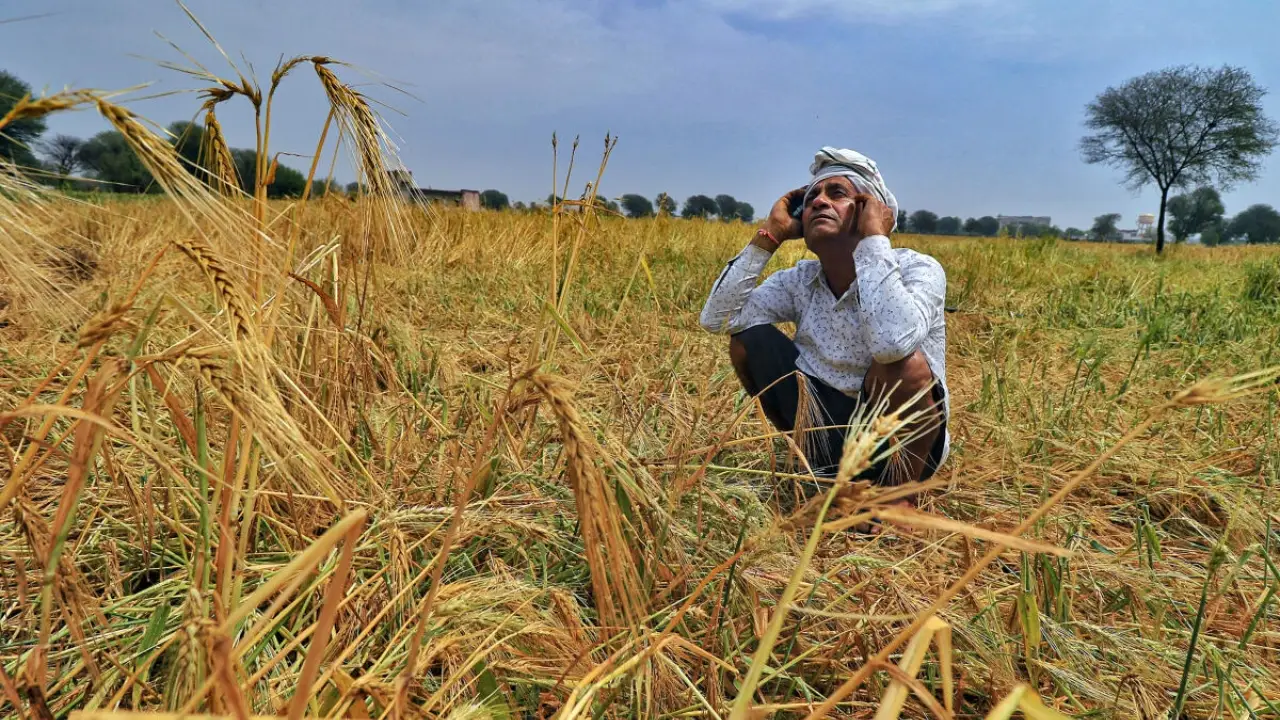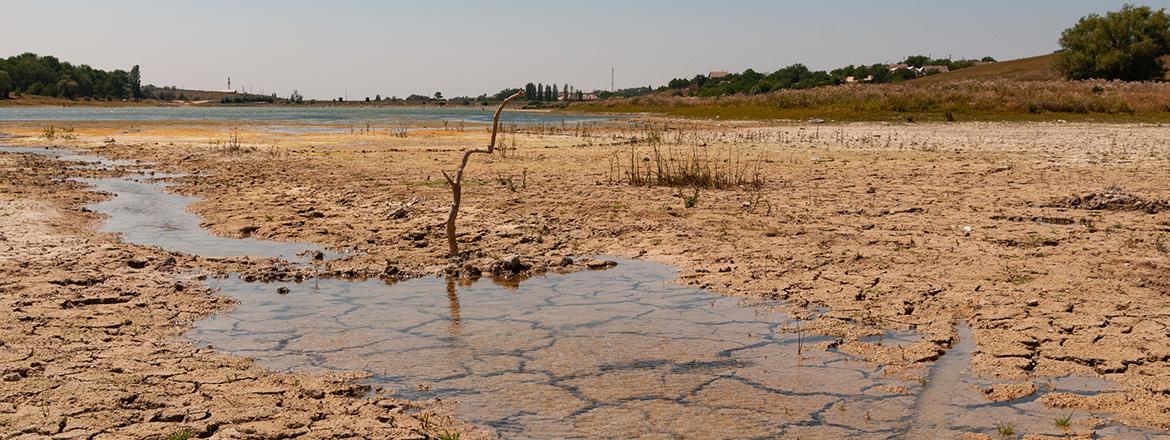
Dry conditions across southern Brazil and Argentina will threaten early-planted crops with some yield loss concerns.
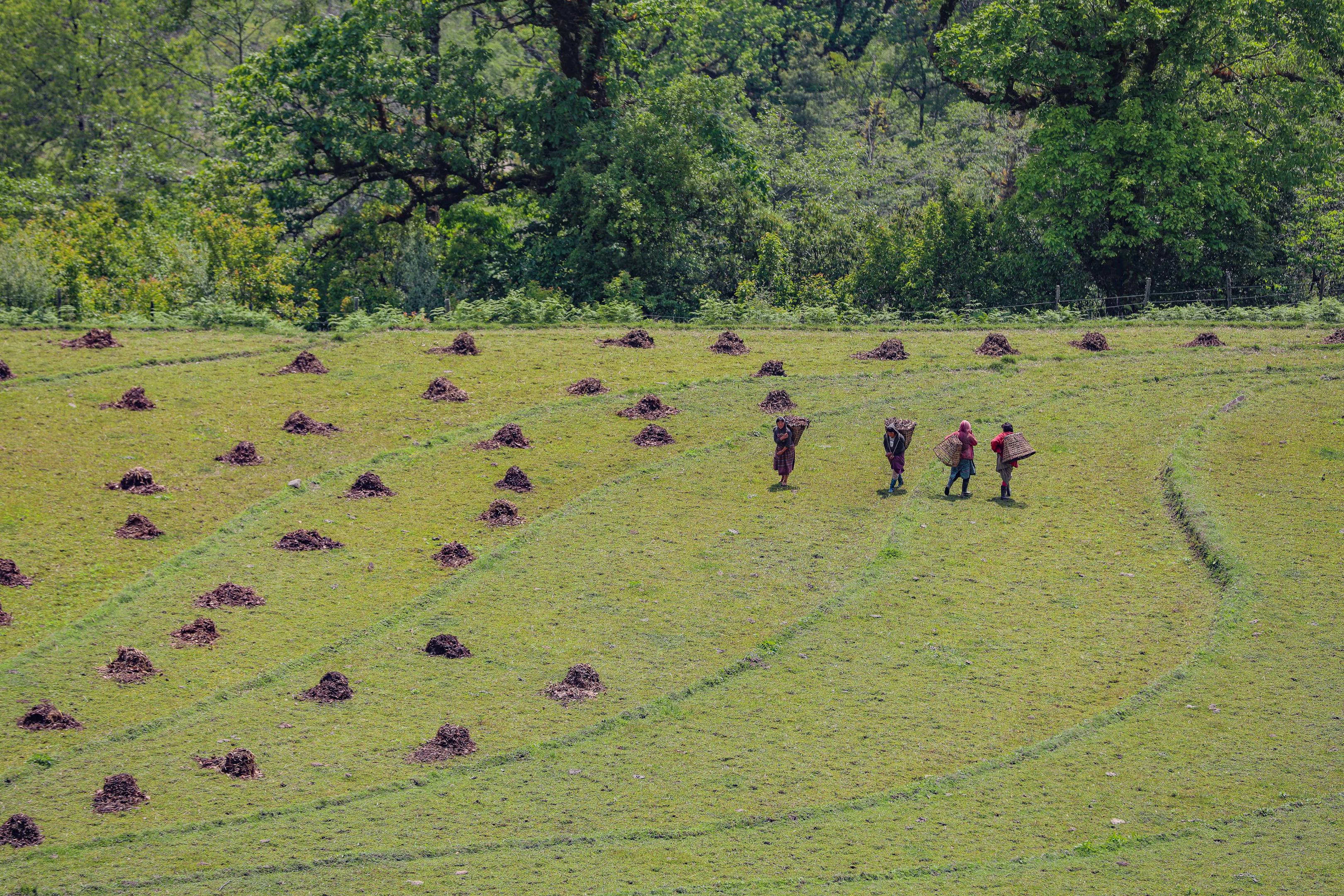
Most of the soybeans are in the ground across Brazil and soil moisture will need to be replenished to aid in germination.
As we flip the calendar to December 2021, a typical La Niña precipitation trend will continue across Brazil and Argentina. Drier-than-normal conditions are expected across the growing regions of Argentina and into southern Brazil. Meanwhile, the Central West and parts of the Southeast of Brazil should see near to slightly above-normal precipitation.
Shower activity will be spotty at best across northern Argentina and southern Brazil as we head into December 2021. While soybean planting has wrapped up across some of the Brazilian states, soil moisture remains very important for soybean germination. States like Rio Grande do Sul will need more than spotty showers to improve soil moisture conditions. There are concerns for potential losses in southern Brazil for early-planted crops.
For the week-ending December 4, 2021, WeatherTrends360 forecasts that this will be the third-driest start to December in more than 30 years for the major full season corn growing regions of Brazil. In Rio Grande do Sul where rain is needed, this is forecast to be the second driest start to December in 30-plus years. In Argentina, this will be the first to second driest start to December in the same time period for the provinces of Entre Rios and Santa Fe.
Unfortunately, the first full week of December, week-ending December 11, doesn’t appear to bring much relief. In fact, the precipitation pattern will continue to follow a typical La Niña trend with drier-than-normal weather in Argentina and southern Brazil. Again, spotty showers may bring beneficial rain to some areas, but on the whole, the region will be running a rainfall deficit.
Rainfall will be more dependable in the Central West and Southeast of Brazil which will be favorable for planted crops and germination. According to data from WeatherTrends360, this will be the tenth wettest start to December in more than 30 years for Mato Grosso where the weather has been generally favorable thus far this season.
Source - https://www.agriculture.com