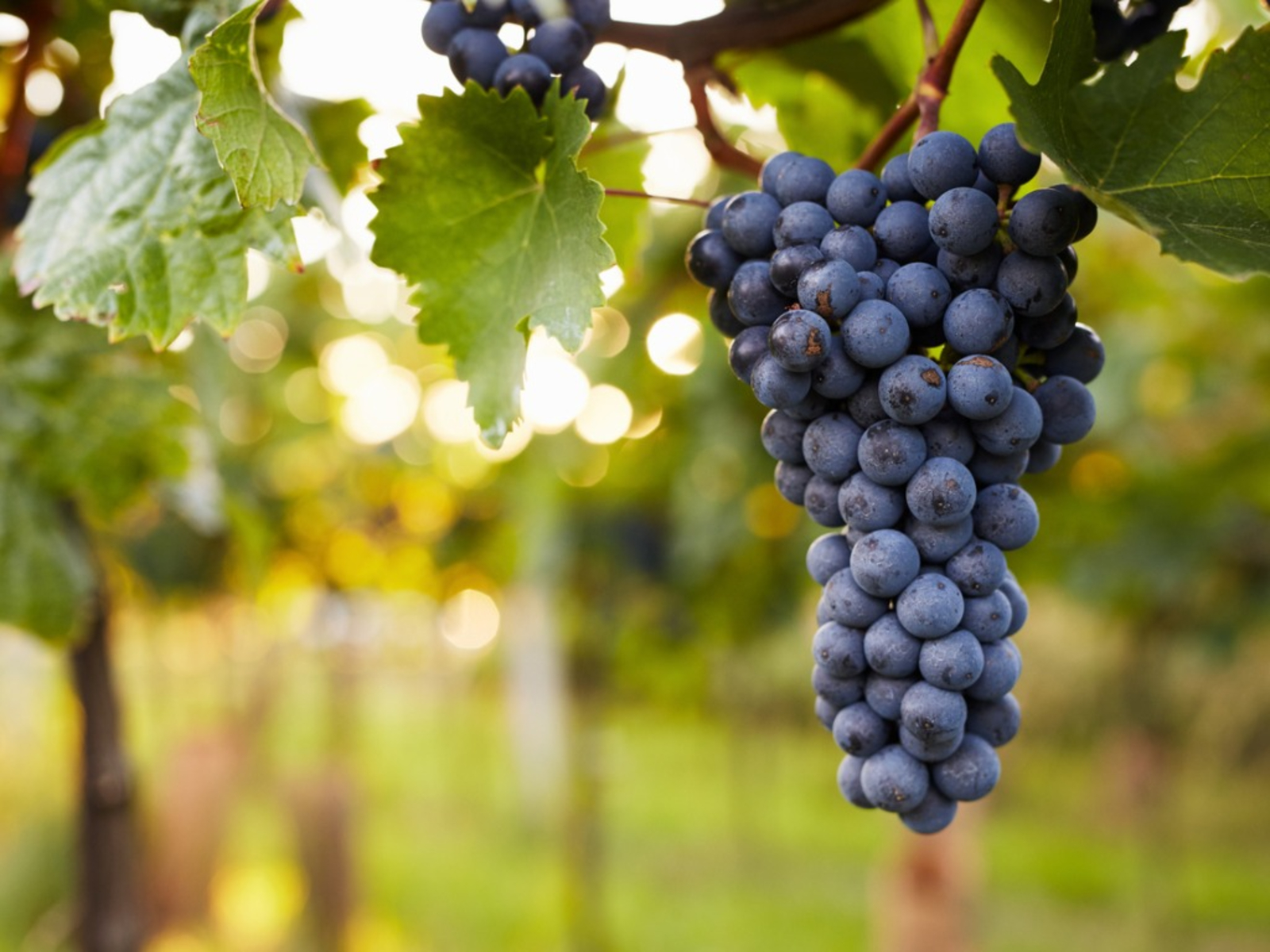
Global wine production, hit hard by climate change events, is set to be below average this year, according to estimates from the International Organisation of Vine and Wine (OIV).
According to the estimates, winegrowers are set to produce around 260 million hectolitres (hl) of wine this year, based on data collected from 29 wine-growing countries, or roughly 91% of the world’s production.
This year’s volume is “slightly” below the average of the last 20 years (270 million hl) and has fallen by 1% compared to 2021. Levels recorded last year were previously described as “extremely low” at 250 million hl, before being revised upwards to 262 million hl.
The initial projections for 2022, while pessimistic, are also likely to change. The OIV has yet to receive data from China, and exceptionally, Russia.
Lower volumes are due, in large part, to difficult growing conditions across Europe. Successive heat waves and drought have led to poor harvest of many fruits and vegetables, including grapes. Despite this, production has been “better than expected”, with higher temperatures protecting grapes from diseases such as mildew.
Europe’s leading wine producing nations, Italy and France, are still on track to produce more wine than the average of the last five years. Spain, the third largest producer, has seen a significant drop (12%) compared to the last five years. This has been blamed on “drought and limited access to water in certain regions.”
By far the most heavily affected by adverse weather is Greece, which experienced high levels of drought, as well as large wildfires. Production has plunged by 29% compared to the 2017-2021 average. Likewise, outside of Europe, wine production in the US fell 6% compared to the average due to early frost followed by drought.
The Bordeaux Institute of Agricultural Sciences has warned that global warming will pose significant challenges to viticulture in coming decades. Higher temperatures mean earlier grape harvests, high alcohol levels, weakened vine stock, and potential crop loss.
In the EU, producers will need to halve their use of pesticides by 2025, forcing vineyards to rethink growing strategies. According to the International Biocontrol Manufacturers Association (IBMA), nearly 57% of French winegrowers now use natural substances to protect their vineyards.
Source - https://www.brusselstimes.com