Use of 8m pounds of antibiotics and antifungals a year leads to superbugs and damages human health, lawsuit claims.
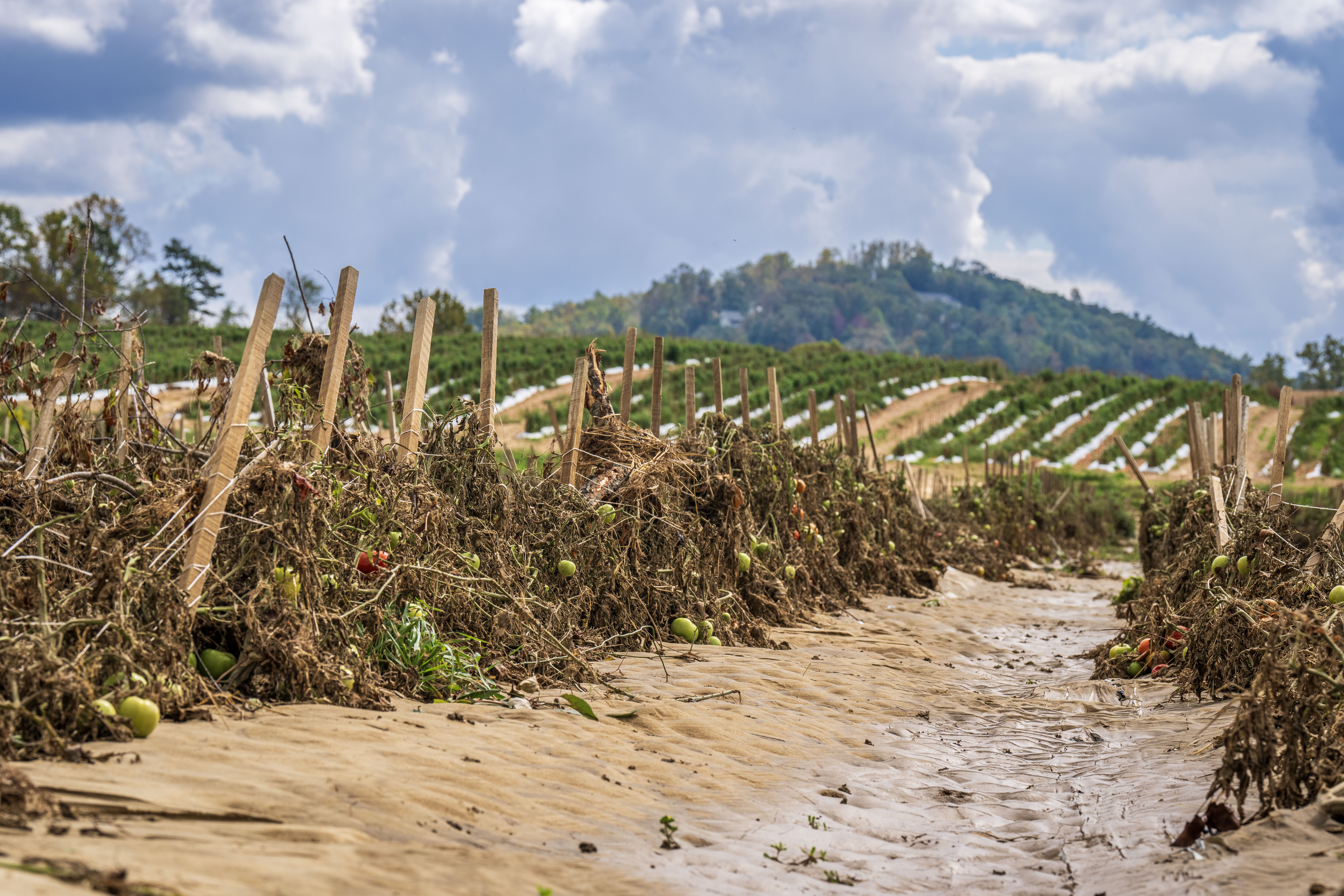
A new legal petition filed by a dozen public health and farm worker groups demands the Environmental Protection Agency (EPA) stop allowing farms to spray antibiotics on food crops in the US because they are probably causing superbugs to flourish and sickening farm workers.
The agricultural industry sprays about 8m pounds of antibiotic and antifungal pesticides on US food crops annually, many of which are banned in other countries.
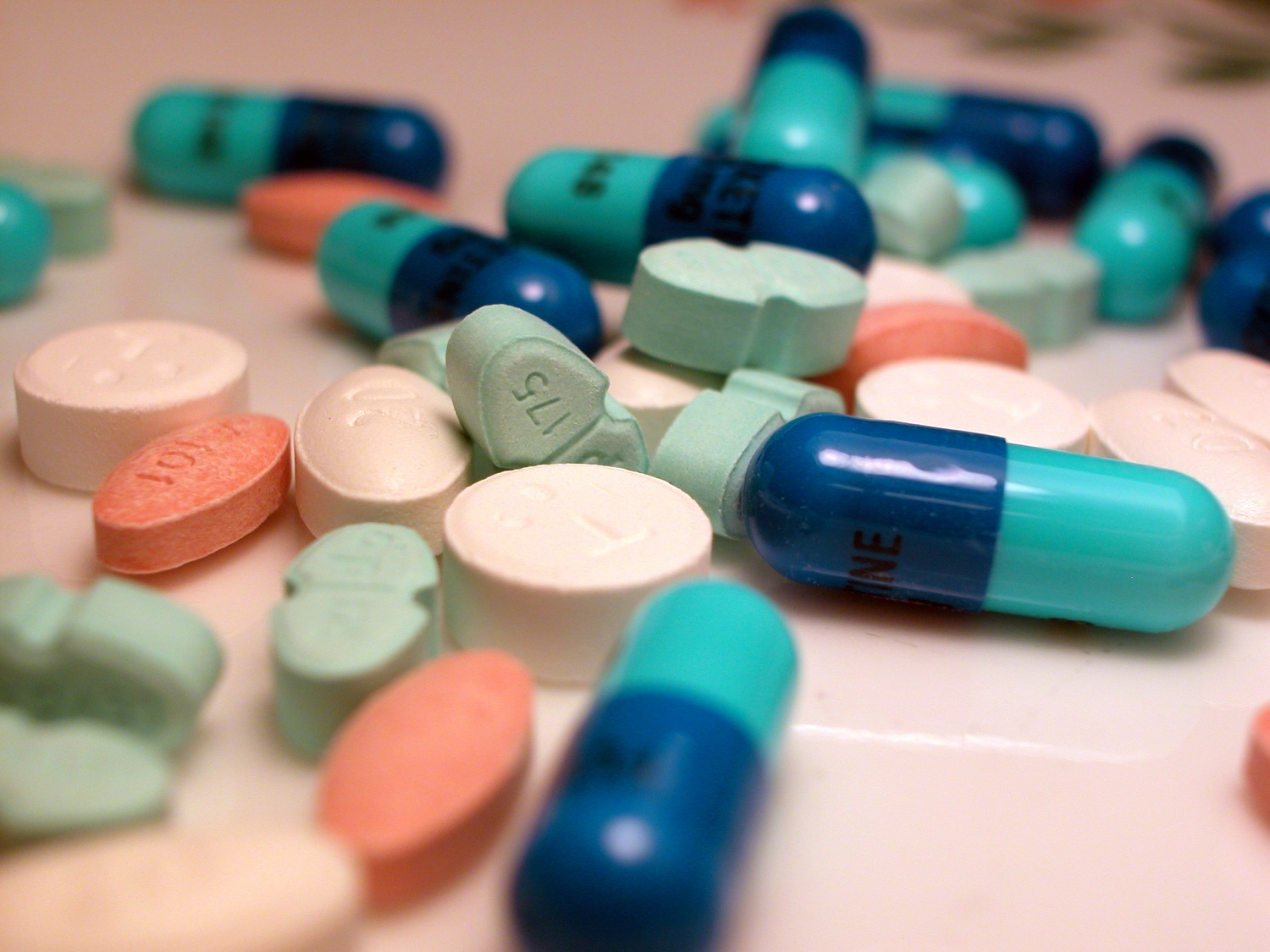
The overuse of antibiotics, which are essential to treating human disease, as pesticides on fruits and vegetables threatens public health because it can lead to superbug bacteria that are antibiotic-resistant. Similarly, overuse of antifungal pesticides can lead to fungal infections that are less treatable with medical currently available drugs, the groups say.
“Each year Americans are at greater risk from dangerous bacteria and diseases because human medicines are sprayed on crops,” said Nathan Donley, environmental health science director at the Center for Biological Diversity. “This kind of recklessness and preventable suffering is what happens when the industry has a stranglehold on the EPA’s pesticide-approval process.”
Antibiotic-resistant infections sicken about 2.8 million people and cause about 35,000 deaths, annually, the Centers for Disease Control and Prevention, estimates. The CDC has linked “medically important antibiotics” that the EPA has approved for pesticide use on crops to antibiotic resistance in bacteria, increased risk of staph infections and increased risk of MRSA.
Documents that the Center for Biological Diversity obtained via Freedom of Information Act request show a 2017 CDC study raised concerns about the risks in expanding the use of antibiotics on citrus crops.
“The use of antibiotics as pesticides has the potential to select for antimicrobial resistant bacteria present in the environment,” the agency wrote.
Meanwhile, consuming antibiotic residues on food can also disrupt the human gut microbiome and increase the risk of chronic diseases. The substances also pollute drinking water supplies, and are thought to harm pollinators. Often low-income and Latino farm workers are most at risk.
Farms spray the antibiotics because they kill bacteria that can damage or kill crops.
Among the most common antibiotic pesticides is streptomycin, which is commonly used in medical care. The US Geological Survey estimates up to 125,000 pounds have been sprayed on US crops in one year.
The petition comes as the EPA faces pressure to expand the use of human antibiotics, Donley said. The bacterial citrus greening disease, transmitted by the Asian citrus psyllid, is devastating citrus orchards in Florida.
Donley acknowledged that the citrus industry faces an “incredibly scary” situation, but said pumping more medically important antibiotics on to crops would be a greater disaster in the long run.
“I understand their desperation because they’re in dire straits, but from a societal point of view this is absolutely a no-brainer – it cannot happen,” Donley said. “The bottom line is the massive problems created by spraying human medicine on food crops far outweighs the agricultural problems.”
Donley said there are simple crop management steps that should be tried first, like planting crops further apart, breeding more disease-resistant varieties of crops and identifying diseased trees and quickly removing them to prevent the diseases from spreading.
The petition gives the EPA about five years to respond. Several years ago, the agency banned chloropyrifos in response to a similar legal petition, but a judge overturned the EPA’s ban.
The agency can enact a ban, or must give a reason why it won’t. The EPA under the Trump administration was unlikely to act, Donley said. If it, or a future administration, does not act, then the groups can sue. The process could take more than a decade.
“We’re playing the long game,” Donley said.
Source - https://www.theguardian.com