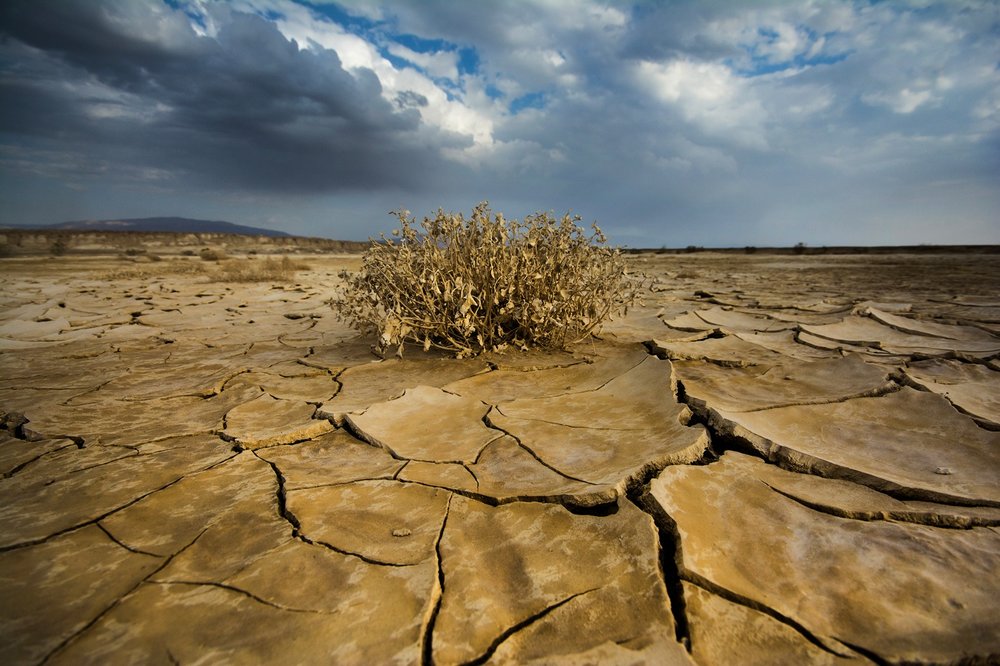
The rains have stopped falling in East Africa. Over four consecutive seasons, the land has remained dry, resulting in one of the worst droughts in decades. The region is sadly no stranger to drought. For example, the historic drought in Ethiopia and Sudan in 1985 claimed the lives of 450,000 people.
This time, records are being broken. Parts of Somalia, Djibouti, Ethiopia and Kenya are experiencing the driest conditions and hottest temperatures since satellite record-keeping began. As a result, ongoing estimates indicate that up to 21.1 million people face high levels of acute food insecurity as crops fail, livestock die and water sources dry up.
The impacts of drought extend beyond food and water security, with drastic socio-economic and environmental impacts, including migration, natural resource degradation, and weak economic performance.
Climate change is to blame
Climate change is largely to blame. The current drought is a result of the recurring La Niña weather phenomenon, which is exacerbated by climate change, while the impacts of drought are aggravated by deforestation, land degradation and growing water demand—all influenced by climate change.
And it seems the worst is yet to come. Projections indicate more people will face a similar fate in the coming seasons. With most farmers still relying on rain-fed agriculture, what can be done to improve climate resilience—today and for future generations?
What IFAD is doing to enhance climate resilience
In response to the increasing impacts of climate change, IFAD is prioritising climate change mitigation and resilience measures, working with governments to ensure coherence between disaster risk management and sustainable development.
In Ethiopia, IFAD and World Bank are investing US$25 million of emergency response funding for the Lowlands Livelihood Resilience Project (LLRP), which strengthens climate resilience by enhancing the supply of livestock feed, water and veterinary drugs.
In Kenya, the Cereal Enhancement Programme Climate Resilient Agricultural Livelihoods (KCEP-CRAL) project is devising solutions to drought, including climate-smart agriculture technologies which provide information on access to water and climate. Funded by IFAD’s Adaptation for Smallholder Agriculture Programme (ASAP), the project is also teaching communities about climate change, land degradation, soil health, crop insurance, and good agricultural practices to improve crop productivity.
What more can be done?
Drought does not have to mean food insecurity or death. Other drought-affected parts of the world continue to produce food despite the tough conditions. For example, in Australia, people have adapted to drought using technologies, such as drip-irrigation, solar-powered desalination and water holding. These lessons could be applied in East Africa, as well as promoting drought-tolerant crops, such as sorghum, cowpeas, millet, and cassava.
The speed and intensity of climate change are outpacing the ability of poor rural people to cope. There is an urgent need for targeted short-term solutions as well as long-term climate adaptation solutions. These in turn require secure, continuous funding and improved coordination. A failure to act now could have drastic consequences for millions of vulnerable people in the region.
Source - https://www.ifad.org