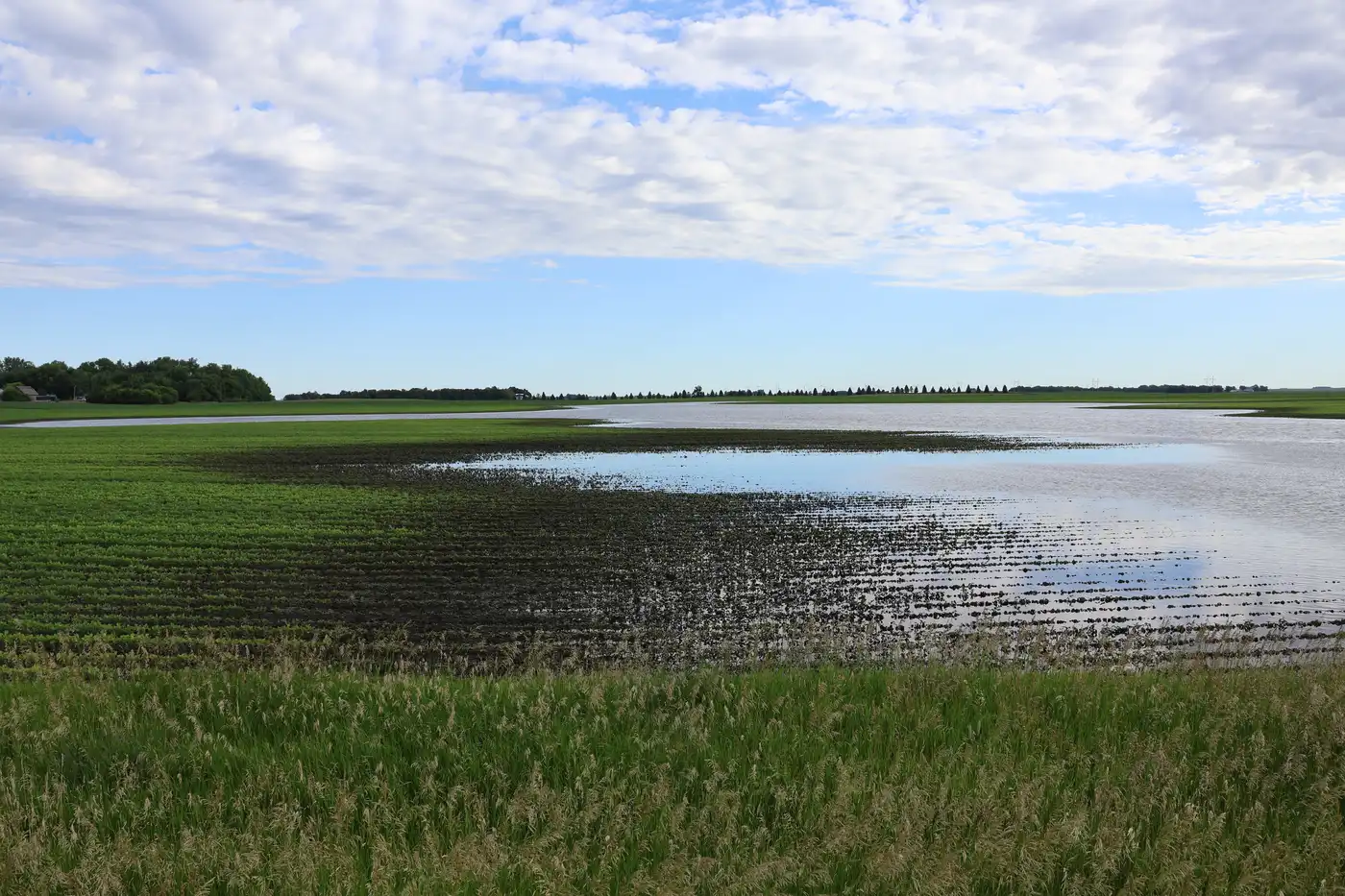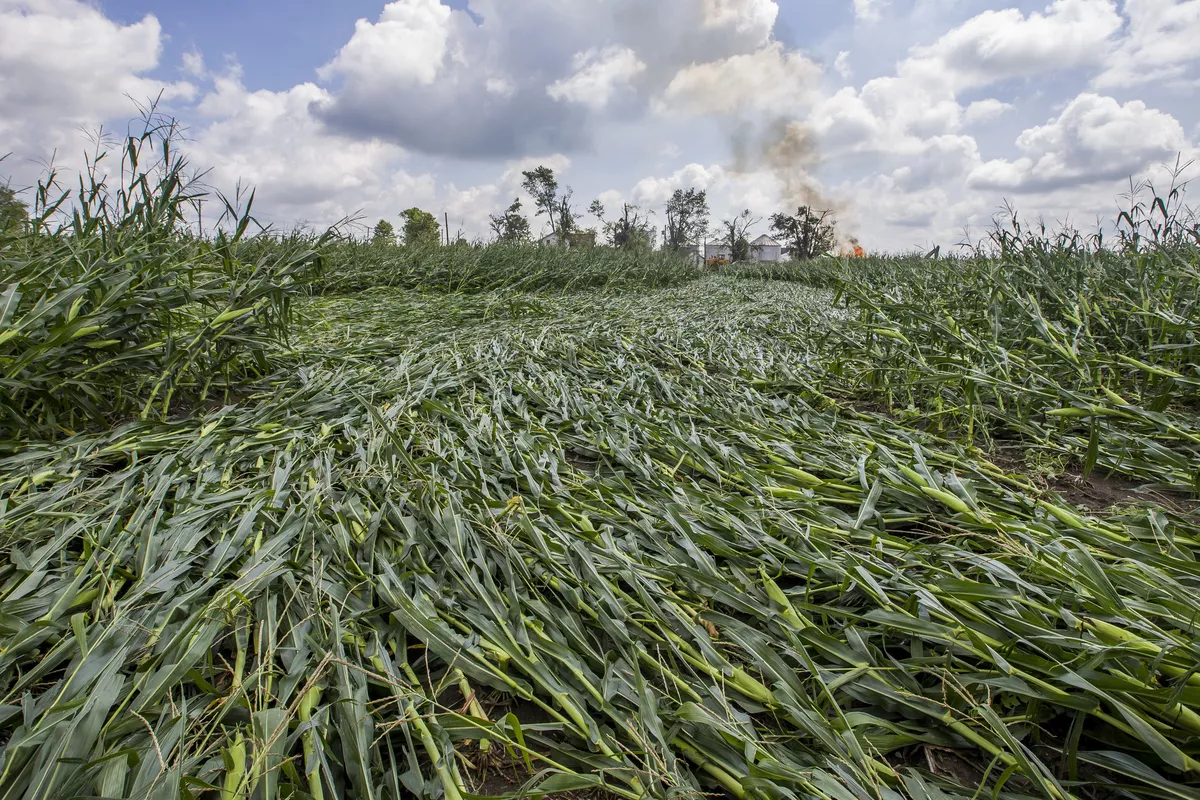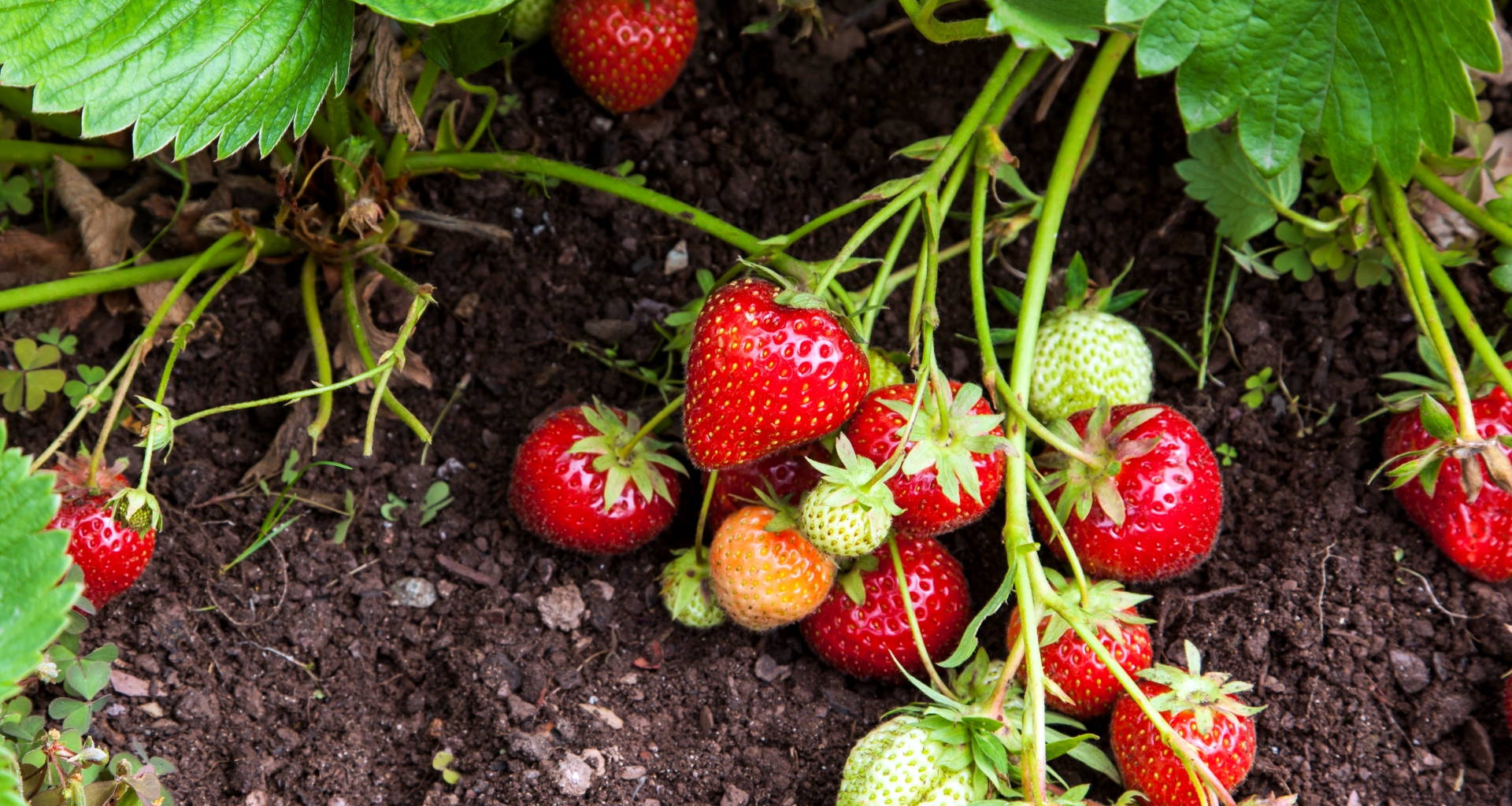
With the strawberry season coming to an end, producers have reported a difficult situation marked by large losses of volume, and a considerable increase in production costs, a situation due mainly to poor weather conditions, according to professional sources.
Several professional and academic voices have raised calls for more adequate operations, so that strawberry industry actors in Egypt have more control over operations and are no longer totally at the mercy of weather conditions. Hamada Abdelrahman, a scientist (associate professor at Cairo University) and consultant, with 20 years in research and field work in many Mediterranean countries, advocates for a paradigm shift in operations management, and states: "I have seen adequately managed berries in Huelva withstanding more extreme heat conditions than this year's in Egypt."
According to Hamada, volume losses are not only attributable to climatic conditions, but are also caused by inherent factors to the industry and production methods. He explains: "Starting with a robust, adaptive, and productive varieties, farmers and advisers should ensure that every management practice, they perform, does contribute to plant resilience, meaning driving to or maintaining a higher plant sap Brix. However, it is mostly not the case in Egypt. So far, traditional management focused on supplying nutrients through water-soluble fertilizers without careful consideration of transformation in soils result in imbalances, imbalances that weaken the plant. Even those with somewhat advanced understanding of crop physiology rely on proactive management (use of biocides and plant stimulant in response to challenges)."
Due to the adverse climate conditions, growers also reported a doubled production cost as a result of the intense use of treatment products. For Hamada, it doesn't only depend on the quantity of products used, but choices and timing should be more thoughtful and precise: "Strawberry, in particular, is a plant that is very much dependent on the soil and rhizosphere microbiome, and is very sensitive and challenged when management results in a narrow spectrum microbiome. Growers, and adviser, should evaluate every practice and application in light of its effect on soil/plant microbiome, the transformation in soil, and its energy cost to the plant. They should understand the role of the “hidden majority” aka the microorganisms and their role in protecting the plant, and providing other services including nutrient mobilization, supplying precursors, and triggering certain metabolic pathways when needed."
In a context of climate change that seems to intensify from one year to another, it is still possible for Egyptian growers to adapt to difficult heat conditions, according to the expert: "To cope with climate events next seasons, growers, and adviser, should adopt a preventive management considering: farm history (previous crop and management); understanding soil cation balance (not only soluble forms) as it determines the transformations of all what is applied into soil; selection of the right varieties, avoid fumigation and fungicide dip at transplanting and instead inoculate soil and plant with wide-spectrum probiotics (can be found in Egypt and Spain); use high quality fertilizer free of chloride, build infrastructure by adequate Ca, Si, and B from the beginning; ensure adequate levels of micronutrients, avoid nitrate based fertilizers, especially KNO3 or adequately use it combined with what is needed; spoon-feed NPK, apply plant biostimulants before. During the transition into preventive and regenerative management, growers can use pesticides, after careful observation and when strictly needed. And most important use a refractometer like the attached image to evaluate the impact of each practice on plant Brix, the value then for climate conditions similar to Egyptian ones should be 8."
Source - https://www.freshplaza.com