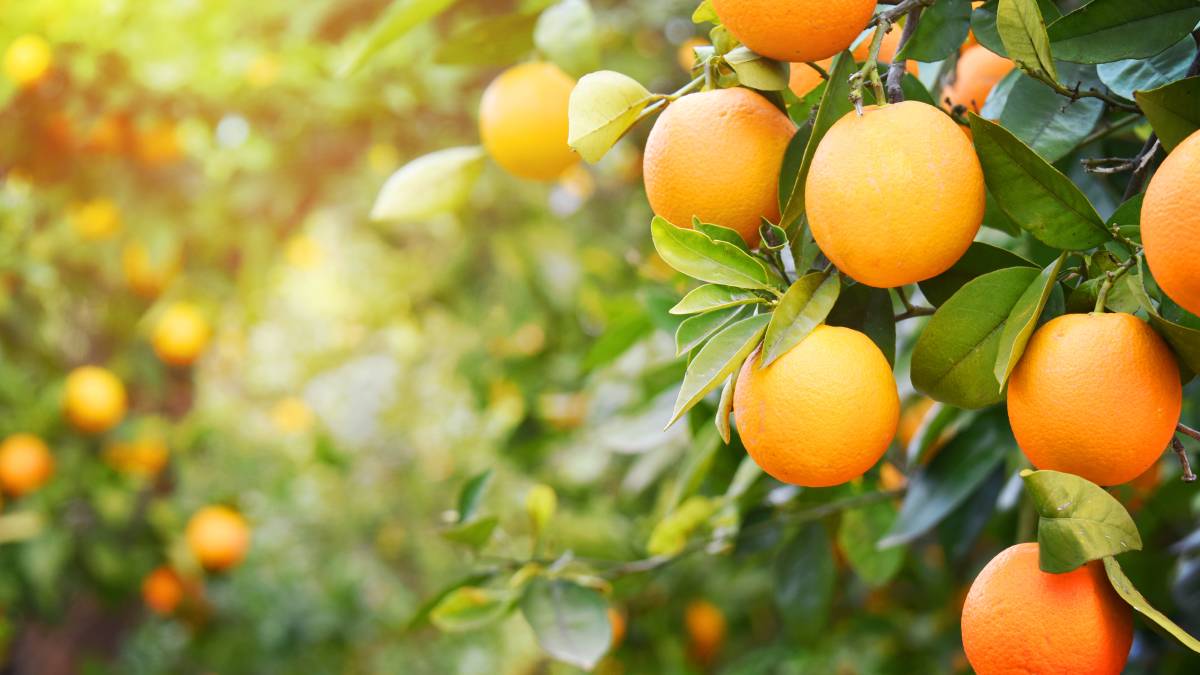
The Citrus Contact Group of Spain, France, Italy and Portugal considers the new control measures adopted by the European Union to prevent the introduction and spread of black spot (Phyllosticta citricarpa) in the European market "insufficient".
The president of AVA-ASAJA, Cristóbal Aguado, agreed with representatives of citrus growers from other Spanish regions and from France and Italy on their "disappointment with the only slightly stricter controls carried out on the productions from third countries, taking into account the threat of this disease, not present in European citriculture, and the high number of shipments intercepted at ports."
AVA-ASAJA denounced that "Brussels refuses to implement stricter measures for South Africa, despite the fact that in 2021 its citrus shipments intended for the EU reached the highest number of black spot interceptions in the last decade: 43 detections in 2021 and a total of 200 since 2012." South Africa leads the ranking of countries with more black spot interceptions, ahead of Argentina (189) and Uruguay (99), which together total 702 detections in the last ten years.
The agricultural organization appreciated, however, that Zimbabwe, as requested by the sector, has been added to the list of countries that must prove that their fruit is free of black spot. AVA-ASAJA highlighted that Zimbabwe had 44 black spot interceptions in 2021, when in the previous nine years it had only accounted for 22.
Aguado, together with other Spanish organizations, "mentioned the possibility of suing the EU for damages in case of the entry of a pest or disease that is not yet present in European citriculture."
"The association will consult with several law firms specializing in EU law, because: "If European citrus growers suffer losses in the future because of a foreign pest or disease, as it's happening, for example, with the cotonet from South Africa, the administrations responsible to prevent their introduction and spread should be held accountable."
AVA-ASAJA agreed with the rest of the citrus sector in Spain, France and Italy on the need for the European Commission to enforce cold treatment for South African oranges, "and for this to be effective immediately, so that the measure arrives in time for the start of exports to Europe."
Source - https://www.freshplaza.com