Extreme heat and erratic rainfall threaten production in the world’s largest coffee-growing country, with farmers warning that disrupted flowering and uneven ripening could reduce yields and damage bean quality despite expanded irrigation and new technology.
El Niño could reduce Brazil’s coffee harvest by as much as 20% as extreme heat and irregular rainfall disrupt production in the world’s largest coffee-growing country, according to the Brazilian Coffee Industry Association.
Brazil is expected to produce an exceptionally large crop of 66.7 million 60-kilogram bags of arabica, robusta and conilon coffee in 2026, according to government crop agency Conab.
However, worsening weather during the El Niño cycle could sharply reduce production, said Celírio Inácio da Silva, chief executive of the Brazilian Coffee Industry Association, known as Abic.
“We are now talking about a crop loss of 15% to 20%, which in a normal year would fall within expectations,” da Silva said. “But under the current scenario, this is very bad news.”
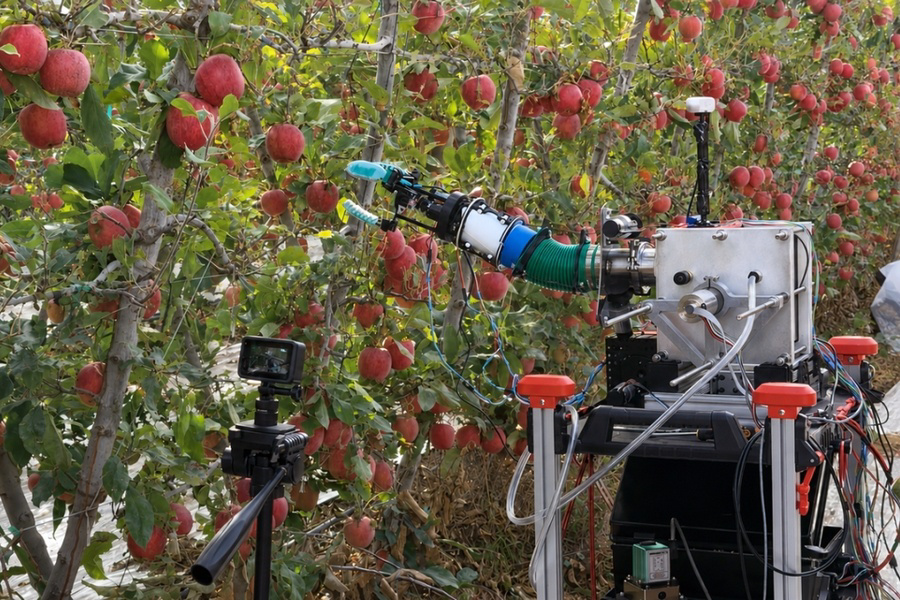
Despite the gloomy outlook, coffee growers are better prepared than they were during previous El Niño events. Technological advances have made plantations more resilient to climate change and improved planting and harvesting efficiency.
“We have made significant progress, and today we are able to plant and harvest much more efficiently,” da Silva said.
In recent years, growers have rapidly expanded irrigation systems and invested heavily in agricultural technology to reduce their dependence on rainfall, which has become increasingly irregular as the climate changes.
Even so, Brazilian producers expect El Niño to interfere with the coffee plant’s biological cycle, particularly during the flowering season in the second half of 2026.
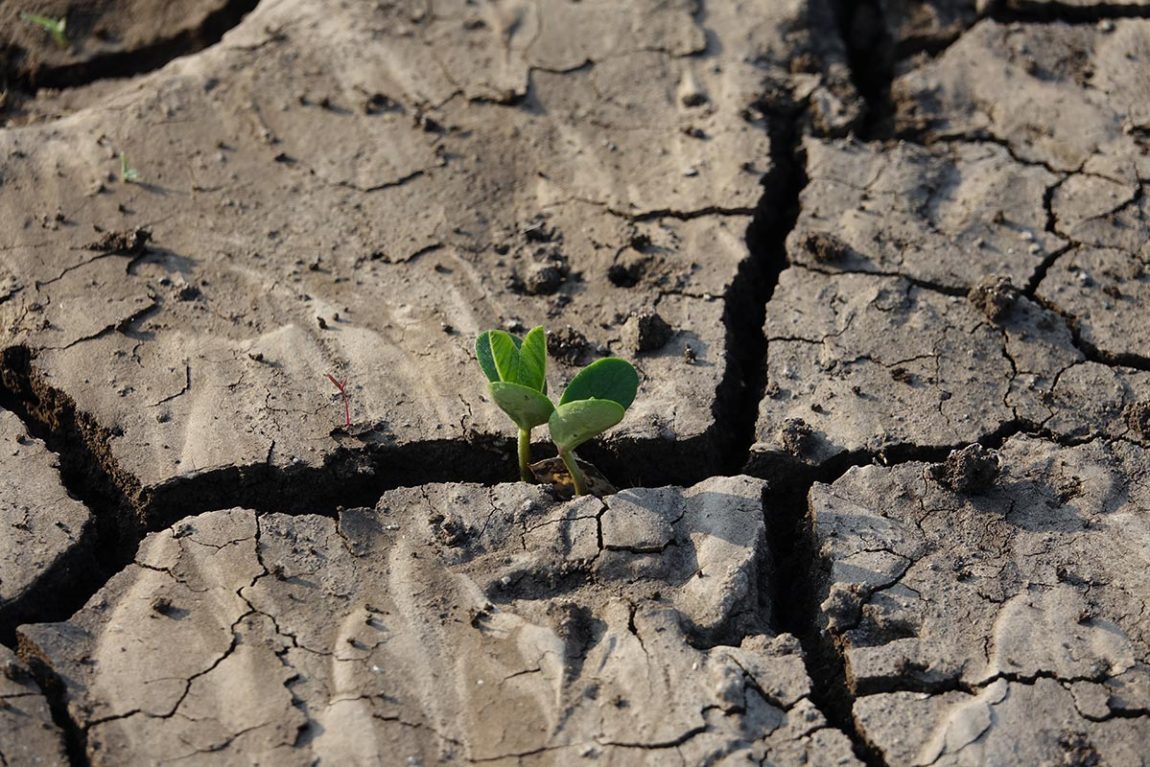
Extreme heat and erratic rainfall can produce uneven or unsuccessful flowering, experts said, leading to fruit that ripens at different times.
“Uneven ripening has consequences for coffee quality and makes harvesting more challenging,” said Wallis Caixeta, coffee purchasing manager at the Expocacer cooperative in Minas Gerais state.
Previous El Niño damaged the 2024 crop
The 2023-2024 El Niño cycle, combined with heat waves and irregular rainfall, reduced Brazil’s 2024 coffee crop from an initial government forecast of 58.8 million 60-kilogram bags to 54.2 million bags.
Despite a favorable biennial cycle for arabica coffee, total production increased by only 0.2%, while conilon output fell by 5.9%.
El Niño may already be contributing to unusual weather patterns, including exceptionally heavy rainfall in southeastern Brazil over the past month.
Expocacer estimated that more than 50 millimeters of rain fell in arabica-growing regions over a period of about 40 days. The rainfall delayed harvesting and caused significant quantities of coffee cherries to fall to the ground, damaging the quality of the beans.
Espírito Santo, Brazil’s leading robusta-producing state, has also experienced irregular weather this year, with longer dry intervals interrupted by shorter and more intense downpours.
Luiz Carlos Bastianello, president of Cooabriel, Brazil’s largest conilon cooperative, said growers fear El Niño will prolong dry conditions and extreme heat until January 2027, potentially disrupting the stage in which coffee beans develop and fill out.
Conilon production in the state is already expected to fall by 15% this year because of the crop’s natural biennial cycle, which alternates between stronger and weaker harvests.
Bastianello said it was still too early to estimate El Niño’s impact on the 2027 crop, but warned that heat posed the most serious threat.
“Heat is the greatest risk for severe crop losses,” he said. “Above 27 degrees Celsius, coffee slows its metabolism, and at 35 degrees it stops completely. The damage is sometimes greater than that caused by a lack of water alone.”
Northern growers expect record harvest
Conditions have been more favorable in northern Brazil, where temperatures and rainfall have largely remained within normal seasonal ranges this year.
Farmers in Rondônia state expect a record harvest of 3 million 60-kilogram bags, exceeding Conab’s forecast of 2.77 million bags.
Heat and drought associated with El Niño are expected to have less of an impact on Rondônia’s robusta crop than on arabica-growing regions, said Juan Trabachin, president of state coffee association Caferon.
“Coffee is very sensitive to temperature changes, but almost all robusta plantations are irrigated, and some also use water-based cooling systems,” Trabachin said. “Many arabica farms, by contrast, still do not have irrigation systems.”
Source - https://www.ynetnews.com