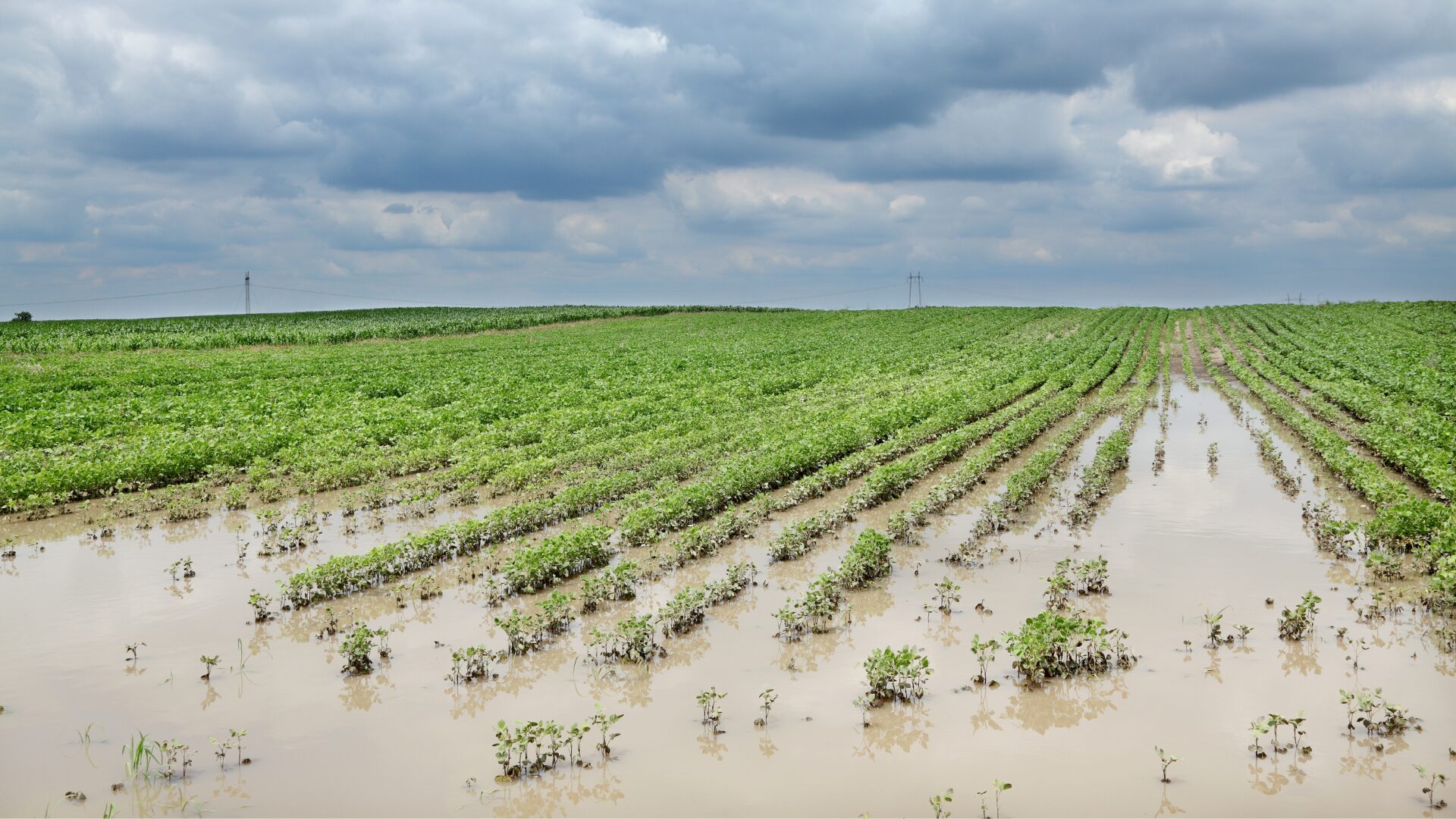
South Africa’s agriculture sector is facing mounting pressure from recent floods in the Western Cape and other parts of the country, even as prospects for strong harvests in several subsectors remain positive, according to the Agricultural Business Chamber of South Africa (Agbiz).
Agbiz chief economist Wandile Sihlobo said on Thursday that the sector is likely to record overall growth in 2026, but warned that the gains will be uneven across industries as farmers grapple with floods, infrastructure damage and the continued spread of animal diseases.
“Another source of strain is the recent floods, which will put pressure on some industries. That said, conditions remain favourable for some subsectors,” he said.
“For example, field crops, vegetables, sugarcane, and fruit harvests are likely to increase in the near term, and some of these harvests may reach record levels in the 2025-26 season.”
Sihlobo noted that while conditions remain favourable for some subsectors, including field crops, vegetables, sugarcane and fruit, the prolonged rainfall has raised concerns about crop quality in certain regions.
The strong outlook for summer grains and oilseeds has largely been driven by favourable La Niña weather conditions and expanded planting areas.
According to data from the Crop Estimates Committee, South Africa’s 2025-26 summer grain and oilseed harvest is estimated at 20.8 million tonnes, up 1% from the previous season.
Sihlobo said maize production is expected to remain resilient despite the wet conditions, partly because many regions planted later than usual.
“It also helps that some maize regions were planted later than the typical start of the season, which is mid-October in the eastern parts of the country and mid-November in the western parts. The late-planted maize is still at the maturing stage, and the harvest will likely only begin in June,” he said.
Sihlobo said that for soybean and sunflower seeds, there may be areas where quality could be affected by the recent rains.
“Still, this should be at a minimum, and South Africa remains well positioned to have an ample summer grains and oilseed harvest in the 2025-26 season. For example, the data released by the Crop Estimates Committee at the end of April 2026 showed that South Africa's 2025-26 summer grain and oilseed harvest was 20.8 million tonnes, up 1% year-on-year.”
Sihlobo added that in the fruit industry, the harvest for citrus this year started slightly later than usual in some regions.
“In fact, in some regions, the harvest is not yet in full swing. Given the heavy rains in parts of the Eastern and Western Capes, we will be closely monitoring the progress of these harvests,” he said.
“Some farms have experienced infrastructure damage and crop losses. But the scale of the losses is unclear, as assessments remain underway across various regions.”
The fruit industry is among the sectors hardest hit by the floods. Citrus-producing areas in the Eastern and Western Cape have experienced heavy rains, with some farms suffering infrastructure damage and crop losses.
In Patensie in the Eastern Cape, farmers estimate citrus losses of between 15% and 20% of expected harvest volumes after floods struck during critical harvesting periods.
Sihlobo said damaged roads and bridges are also creating logistical challenges for farmers trying to move produce to domestic and export markets.
He said the table grape industry has also experienced damage, particularly in areas of the Hex River valley, where orchards and farm infrastructure have been flooded in some farms.
“The excessive rains in the Western Cape, in addition to infrastructure damage and destruction in some fields, will also slow wheat, canola, and barley plantings in some regions, as they need to dry up a bit before the start of planting,” Sihlobo said.
“The ostrich industry has also been affected by floods in some regions of the Southern Cape, but the scale of the damage to these farms remains unclear at the moment and appears to be more localised.”
Despite the setbacks, Sihlobo maintained that South Africa’s agricultural sector should continue growing in 2026, though weather-related disruptions are expected to weigh more heavily on some subsectors than in previous years.
He stressed that rebuilding damaged infrastructure will be essential for recovery in flood-affected regions.
“The reconstruction following the recent destructive floods is key to facilitating a better recovery in the affected areas, and the local government will need to lead the efforts, working collaboratively with farming communities,” he said.
Source - https://iol.co.za