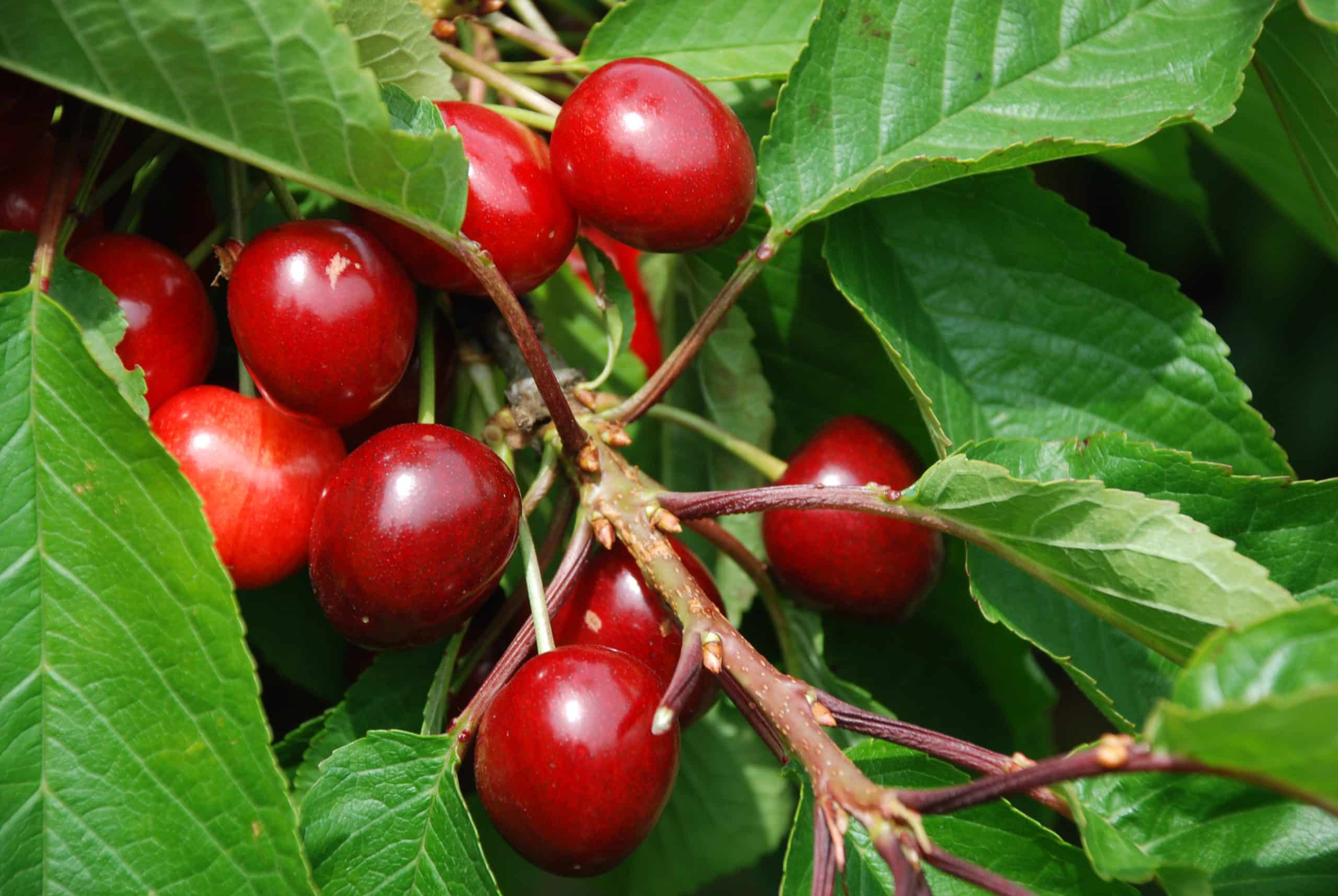
Cherry growers across California are reporting major crop losses following early-season heat and rain events that affected fruit set, quality, and harvest conditions during the 2026 season.
San Joaquin County, California's leading cherry-producing region, reported that 63 per cent of its crop was damaged by rainstorms in April and May, resulting in losses estimated at US$174 million. County Agricultural Commissioner Kamaljit Bagri requested a disaster declaration on May 11 to allow growers access to low-interest federal loans and assistance programs.
According to Bagri, the weather events occurred during a key stage of fruit development and caused extensive suturing, fruit splitting, and shorter shelf life for packed cherries.
California cherry growers said an early March heatwave accelerated ripening by more than two weeks in some orchards, increasing exposure to spring rainfall. Statewide harvest began on April 12 and could finish as early as May 25.
"Rain basically wiped out the crop," said grower Lance Jackson from Tulare County.
Chris Zanobini, executive director of the California Cherry Board, estimated total statewide production would fall below 5 million 18-pound boxes. Over the past five years, California averaged around 8 million boxes annually.
Growers said mature cherries became vulnerable to splitting once rainfall arrived. Tony Guerrero of Lodi-based packer M&R Co. said the season was the worst he had seen in three decades working with California cherries.
"It's pretty devastating," Guerrero said. "There's no real bright spot. It rained up north. It rained in the south. There was just nowhere that was unscathed."
Packing operations have also been affected, with sorting lines slowed to remove damaged fruit. Some industry estimates indicated roughly half of incoming fruit showed rain damage or quality defects.
According to growers, lower-quality fruit has reduced returns despite lower market volumes. Pricing has remained under pressure because payment structures are linked to quality grades.
California relies heavily on the fresh market for cherries. In 2024, 90 per cent of the crop was sold fresh, while exports accounted for 30 per cent of shipments and more than half of total crop receipts of US$297 million, according to USDA data. Export markets include Canada, South Korea, and Japan.
Industry sources expect exports to decline this season because of limited supplies of premium-grade fruit.
Several California counties are now considering disaster declaration requests as growers continue assessing orchard losses.
Source - https://www.freshplaza.com