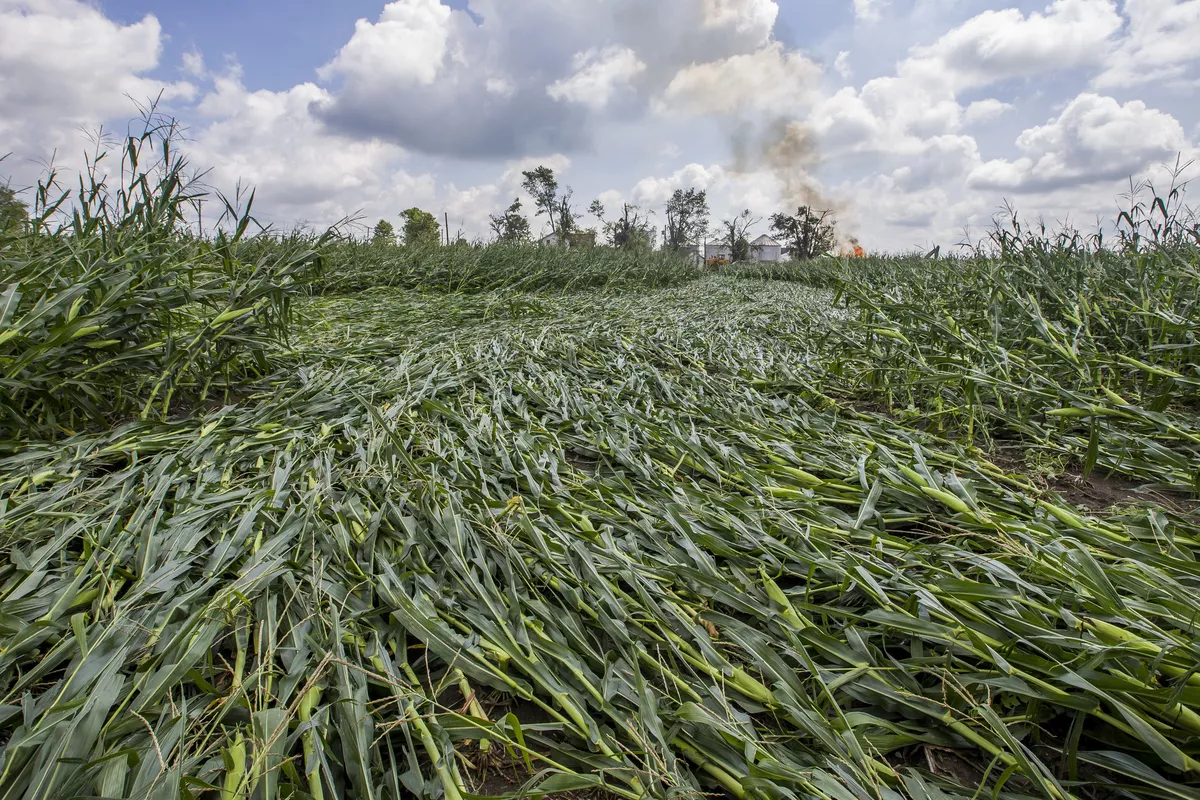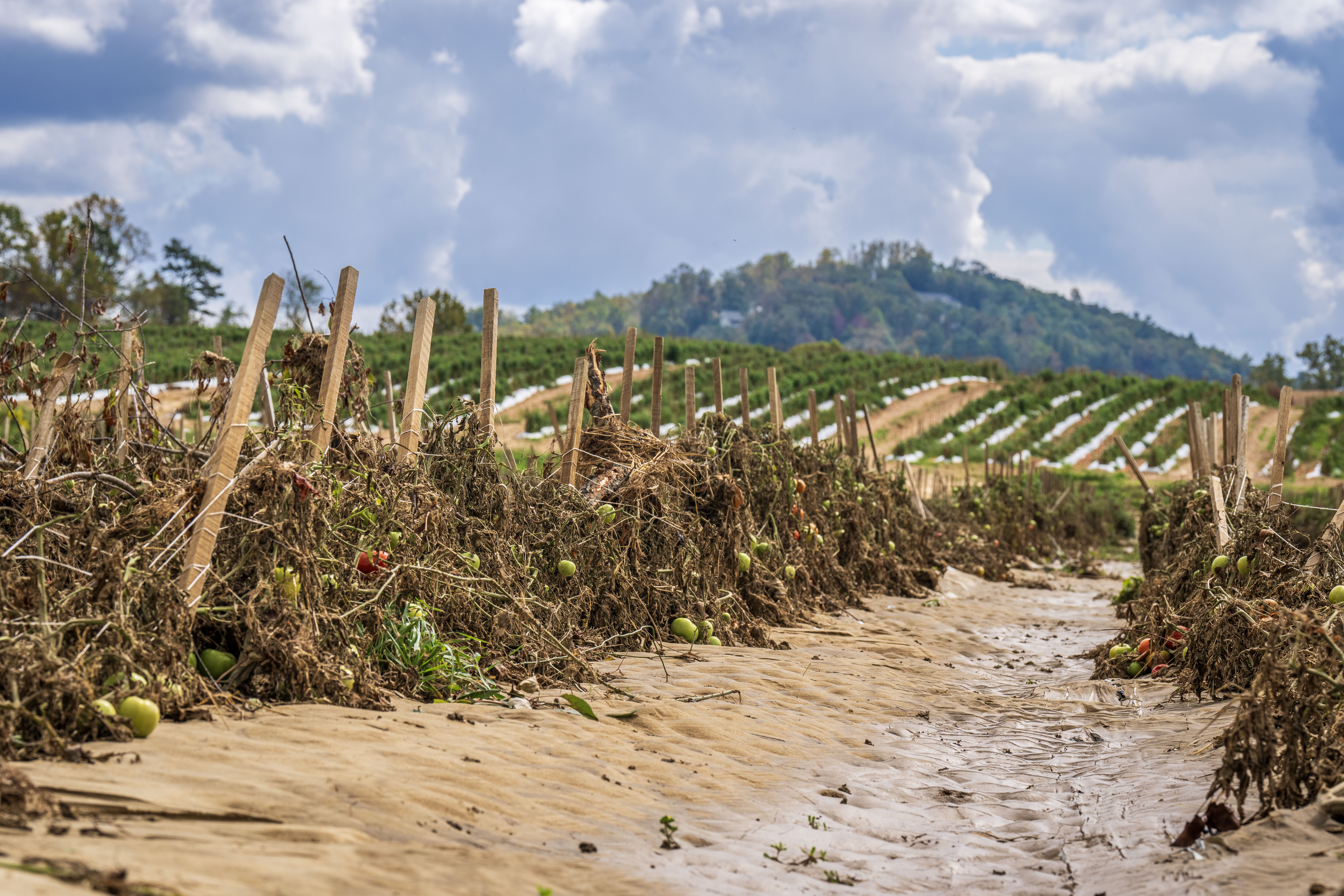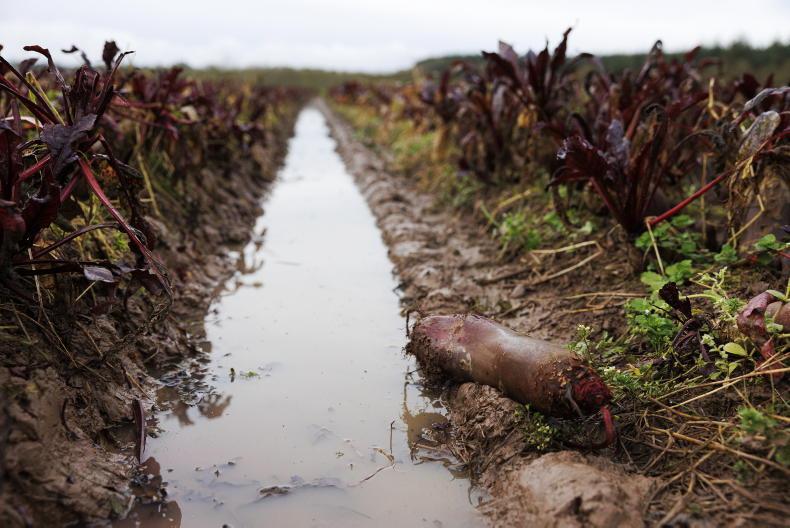
Europe’s flooded fields are delaying sugar harvesting and threatening to wipe out 15 percent of beet crops still to be collected in France, one of the region’s biggest growers of the sweetener.
Factories in Europe typically start processing beets for several months starting in September, but the harvest has been hampered by heavy rains across northwest Europe. France recently received 32 straight days of rainfall, the longest stretch since 1998, according to Meteo France.
Almost half of the country’s beets are still in the ground because of the delays and some plants have curbed production because they’re not receiving enough to process, growers’ group CGB said at a conference in London. Some French farmers are worried they’ll lose 15 percent of unharvested beets due to flooding, it said. Other European sugar growers at the conference also voiced output concerns.
The setback risks curbing production in Europe, further tightening the global market. Sugar futures are trading near the highest in more than a decade in New York following consecutive years of deficits and threats to supplies in key growers from India to Thailand.
Dutch farmers still have about 50 percent of beets in fields, meaning it’s unlikely that the harvest will be wrapped up by December 1, according to Arwis Bos, a representative of cooperative Royal Cosun. He said conditions are the wettest in a century—halting harvesting—and any cold snap would further threaten beets.
Harvest delays will probably prolong Germany’s beet campaign until February, increasing the risk of crop losses to frost, said Ulf Wegener, who spoke on behalf of the nation’s growers.
In the United Kingdom, storms and flooding in some areas are making fieldwork harder, the National Farmers Union said.
Ghana’s cocoa
Ghana secured its annual loan to pay for cocoa purchases at the highest interest rate on record, following this year’s debt restructuring of the West African nation’s obligations that ruined investor appeal.
International banks have pledged to lend industry regulator Ghana Cocoa Board $800 million for cocoa purchase from farmers at almost 8 percent, according to two people familiar with the terms of the deal. It is the costliest syndicated facility the board has received since the annual loans started in 1992-93, the people said, asking not to be identified because the transaction isn’t yet public.
The board also known as Cocobod, has previously obtained loans from investors at better rates than the government at an average rate of 2 percent. This year, the negotiations have been complicated by the West African nation’s debt restructuring that was needed to unlock a $3 billion government bailout from the International Monetary Fund.
Ghana is the world’s second-biggest producer of the chocolate ingredient and relies on funding from abroad to pay farmers for beans that are then exported. The central bank also relies on the foreign exchange as an important source of hard currency that is used to help stabilize the cedi.
Cocobod would normally conduct an investor roadshow between June and July each year and sign the syndicated facility in September before the new harvest begins in October.
For the first time ever the loan is expected to be signed at the end of this month, with eight participating banks, including Coöperatieve Rabobank UA as lead arranger, Standard Chartered Plc and Societe Generale SA, the people said.
Spokespeople at Coöperatieve Rabobank UA, Standard Chartered Plc and Societe Generale SA declined to comment in emailed response to questions. Fiifi Boafo, a spokesman at Ghana Cocoa Board declined to comment when he was contacted by phone.
The amount is also the lowest in at least 16 years as the board struggled to raise funding, and falls short of the $1.2 billion that is needed in all to buy the beans from growers in the current season. As a result Cocobod has made an arrangement to borrow $400 million from cocoa traders, such as Olam Group Ltd. and Barry Callebaut AG to top up.
The board in addition plans to take advantage of higher cocoa prices this year to sell on the spot market to augment its liquidity requirements, the people said.
Source - https://businessmirror.com.ph