Floods in Yemen damage almost all agricultural lands devastating farms and crops

10.11.2024 486 views

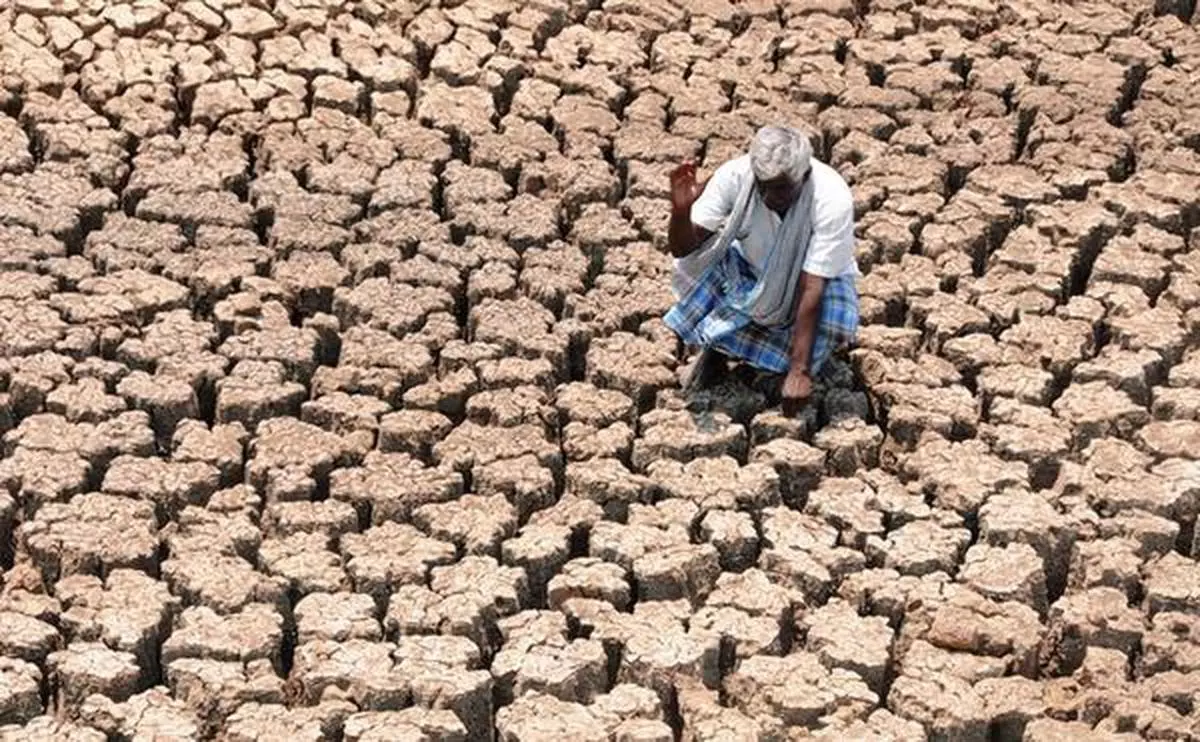
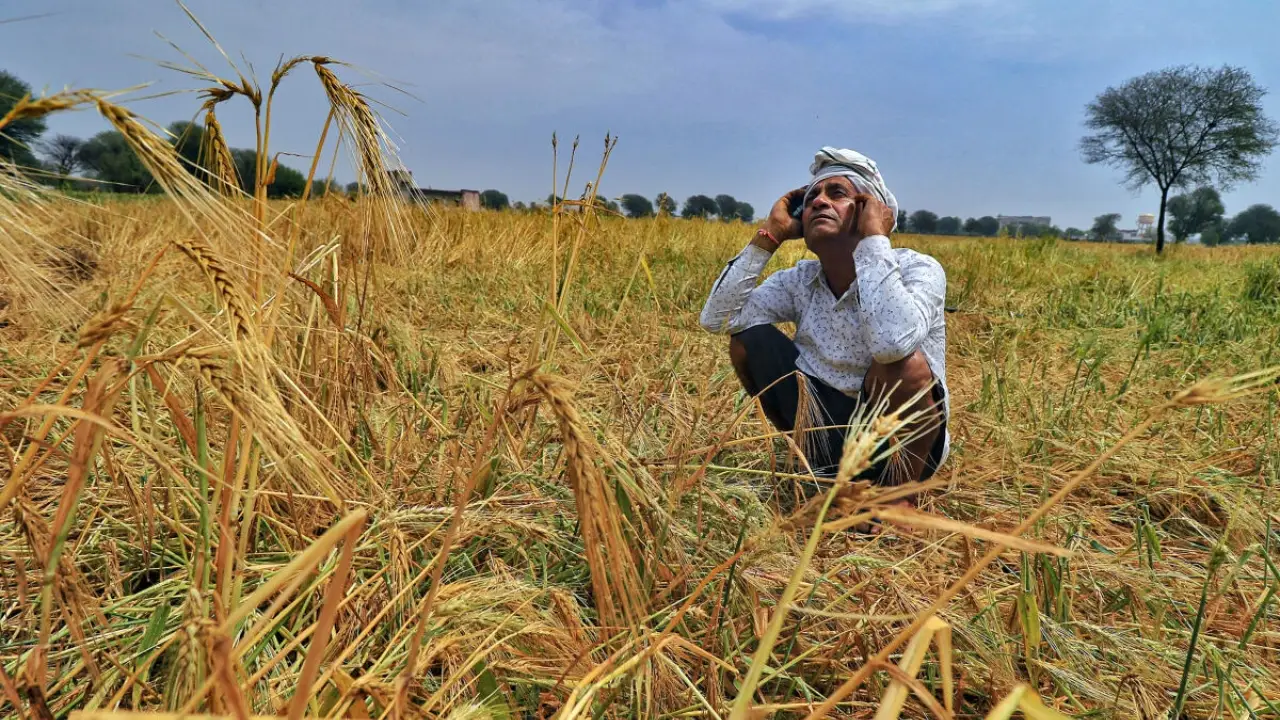
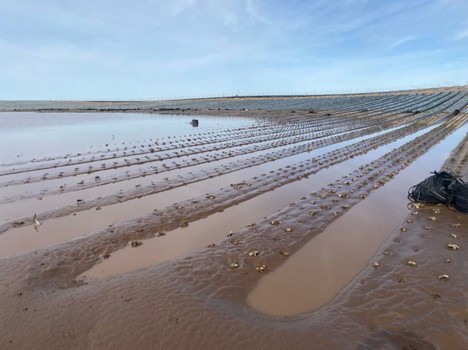
Floods that recently hit Yemen have damaged approximately 85% of agricultural land, resulting in crop loss and livelihood destruction, the United States Agency for International Development (USAID) said in a factsheet on the humanitarian situation in the country, Azernews reports via AlArabia.

The Agency said that flooding during recent months significantly disrupted the country's agricultural sector, adversely affecting approximately 279,400 livestock, and exacerbating food and health concerns among vulnerable populations.
Also, heavy rainfall associated with flooding and landslides during Yemen’s two annual rainy seasons affected nearly 938,000 people between March and August 31, according to USAID.

It said floodwaters have damaged health care and water, sanitation, and hygiene (WASH) infrastructure, increasing the risk of waterborne diseases and the current cholera outbreak.

A recent United Nations report released on November 7, 2024, indicates that cholera cases in Yemen have surged to approximately 219,000 since the beginning of this year until October 20.

According to USAID, the floods have exacerbated already dire food security and malnutrition conditions across Yemen, including among households in southern Yemen projected to experience Emergency levels or worse of acute food insecurity through January 2025.


Source - https://www.azernews.az

18.03.2026

Nepal - Farmers at a loss for lack of insurance for banana plantation

Farmers in Rautahat are suffering losses due to the lack of insurance for banana cultivation. Farmers here have been affected by natural disasters because there is no insurance for banana farming in various local units of the district.

18.03.2026

CARICOM Chair emphasizes agriculture’s leadership role at launch of regional agricultural insurance in St Kitts and Nevis

On Tuesday, March 17, The Hon. Dr. Terrance Drew, Chair of CARICOM and Prime Minister of St. Kitts and Nevis, emphasized the critical role of agriculture in achieving food security and fostering sustainable development.

18.03.2026

Bangladesh - Government Announces New Crop Insurance Scheme

Agriculture Minister Mohammed Amin Ur Rashid has unveiled plans to introduce a comprehensive crop insurance programme designed to shield farmers from losses caused by natural disasters. 

18.03.2026

Salty winds damage potato crop in Cyprus

Powerful winds carrying sea salt destroyed early potato crops in eastern Cyprus, across several agricultural communities. Farmers in Ormidia, Xylofagou, Liopetri and Sotira are now assessing the damage, and in many cases, there is little left to assess.

18.03.2026

USA - UADA rice farmer survey targets crop insurance participation

Arkansas rice farmers are being asked about their participation in crop insurance programs by a researcher who expects their input could help shape future crop insurance programs. 

18.03.2026

India - Climate consequences: Compensation for mango, cashew growers for crop losses

The state government will offer financial assistance to Maharashtra’s mango and cashew growers for crop losses due to changes in weather conditions. Mango, or crucially Alphanso, and cashew are two premier cash crops that flourish in the coastal Konkan region.

17.03.2026

India - BJP Lawmakers Storm Telangana Assembly with Farmer Grievances, Demand Crop Insurance and Loan Waivers

In a dramatic show of solidarity towards the plight of farmers in the state, the BJP legislators stormed the State Assembly during the Budget Session on Tuesday, with over one lakh farmers' petitions on their heads and towing a push-cart piled high with grievances, pressing the Congress government to roll out long-pending crop insurance and fulfill key election promises.

17.03.2026

Burundian Farmers Can Now Insure Their Harvests: ‘This Is a Crucial Link in Protecting Incomes’

For the first time in Burundi’s history, farmers can insure their crops against drought and flooding. Jean Marie Vianney Nsabiyumva of Cordaid explains how the scheme works and why scaling it up requires support.