Fast-rising fungal attacks on the world’s most important crops threaten the planet’s future food supply, scientists have said, warning that failing to tackle fungal pathogens could lead to a “global health catastrophe”.
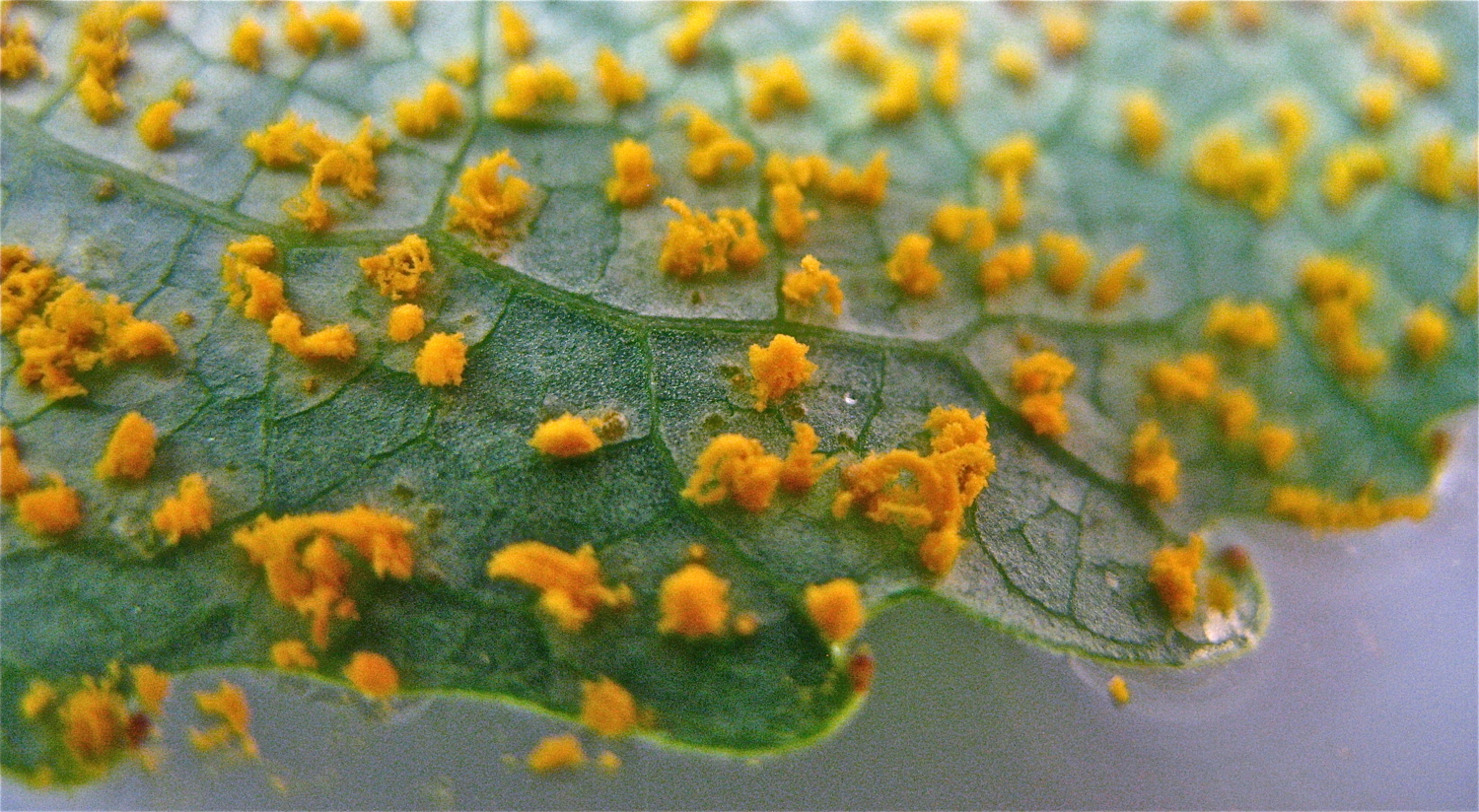
Fungi are already by far the biggest destroyer of crops. They are highly resilient, travel long distances on the wind and can feast on large fields of a single crop. They are also extremely adaptable and many have developed resistance to common fungicides.
The impact of fungal disease is expected to worsen, the researchers say, as the climate crisis results in temperatures rising and fungal infections moving steadily polewards. Since the 1990s, fungal pathogens have been moving to higher latitudes at a rate of about 7km a year. Wheat stem rust infections, normally found in the tropics, have already been reported in England and Ireland.
Higher temperatures also drive the emergence of new variants of the fungal pathogens, while more extreme storms can spread their spores further afield, the scientists say.
Prof Sarah Gurr, at the University of Exeter in the UK, a co-author of the report, said fungi had recently come to public attention through the hit TV show The Last of Us, in which fungi infect human brains.
“While that storyline is science fiction, we are warning that we could see a global health catastrophe caused by the rapid global spread of fungal infections. The imminent threat here is not about zombies, but about global starvation.”
The scientists said there was also a risk that global heating would increase the heat tolerance of fungi, raising the possibility of them hopping hosts to infect warm-blooded animals and humans.
Prof Eva Stukenbrock, at the University of Kiel in Germany, a co-author, said: “As our global population is projected to soar, humanity is facing unprecedented challenges to food production. We’re already seeing massive crop losses to fungal infection, which could sustain millions of people each year. This worrying trend may only worsen with a warming world.”
The warning, issued in an article in the scientific journal Nature, said growers already lost between 10% and 23% of their crops to fungal disease. Across the five most important crops – rice, wheat, maize, soya beans and potatoes – infections cause annual losses that could feed hundreds of millions of people. Fungi made up the top six in a recent list of pests and pathogens with the biggest impact.
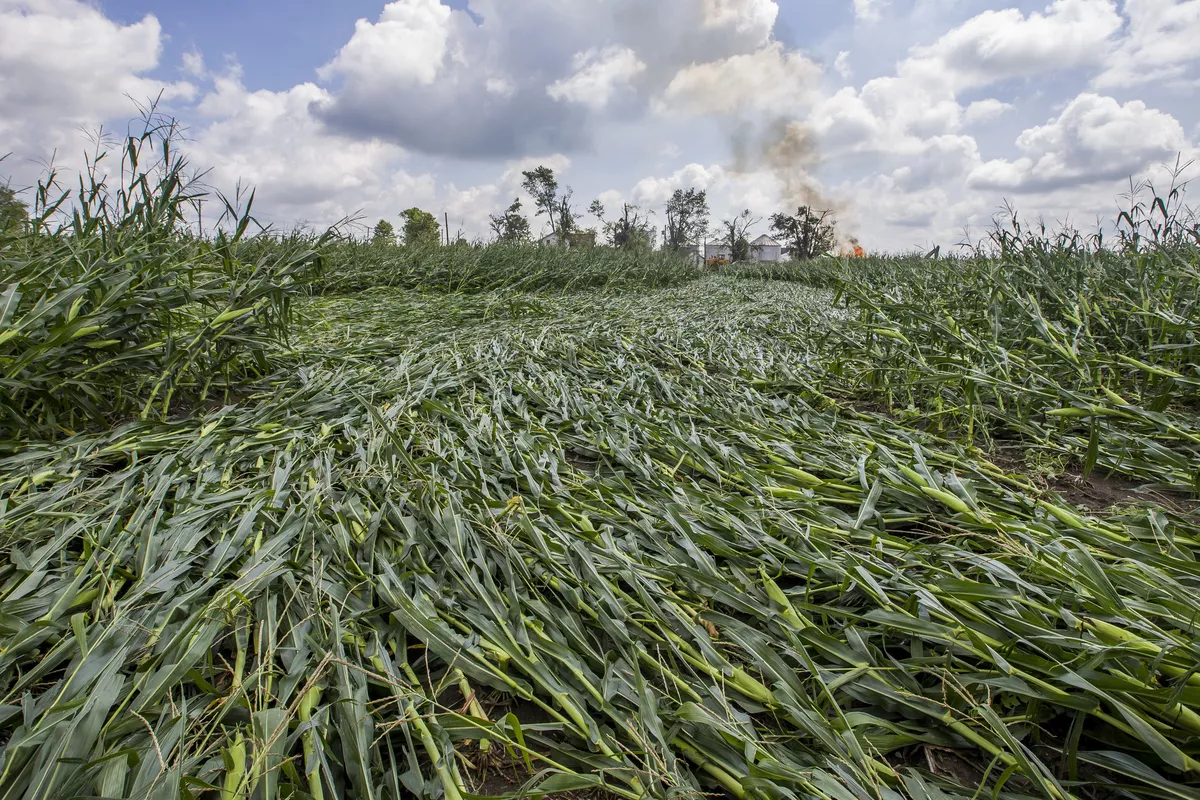
Fungi are incredibly resilient, the researchers say, remaining viable in soil for up to 40 years, and their airborne spores can travel between continents. “After tornadoes in America, you can see the spores have been sucked up and gone on long distance voyages,” Gurr said.
Fungicides are widely used but the pathogens are well equipped to rapidly evolve resistance to treatments that target only a single cellular process. Existing fungicides and conventional breeding for disease resistance are no longer enough, the researchers say.
One solution is planting seed mixtures that carry a range of genes that are resistant to fungal infection, rather than monocultures of a single strain. In 2022, about a quarter of wheat in Denmark was grown in this way. Technology may also help, the scientists say, with drones and artificial intelligence allowing earlier detection and control of outbreaks.
New pesticides are being developed, with a team at the University of Exeter recently discovering compounds that could lead to chemicals that target several biological processes within the fungi, making resistance much harder to develop. The approach has already been shown to be useful against fungi infecting wheat, rice, corn and bananas.
The researchers said fungal pathogen research was seriously underfunded, comparing the £550m allocated to Covid-19 research by the UK Research and Innovation council from 2020 to 2022 with the £24m for fungal crop research over the same period.
“If we don’t have enough to eat, malnutrition will kill us before we get anything like Covid-19,” Gurr said. “But our [research area] is absolutely penniless compared with every medical disease you could imagine.”
Source - https://www.theguardian.com