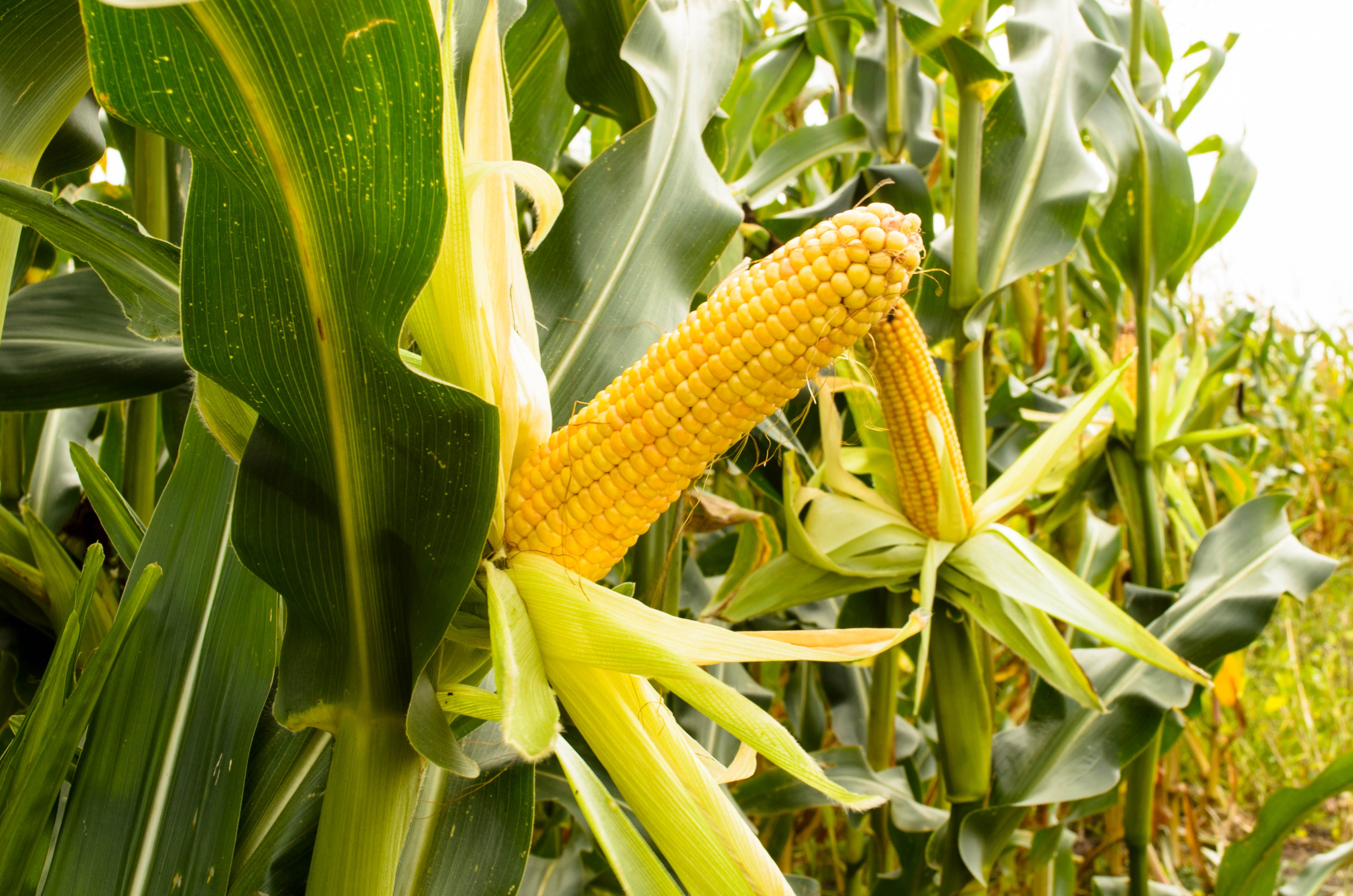
As per research data, advances in genetic improvement and the use of new technologies, have increased productivity and attracted producers due to the grain’s high potential for financial returns.
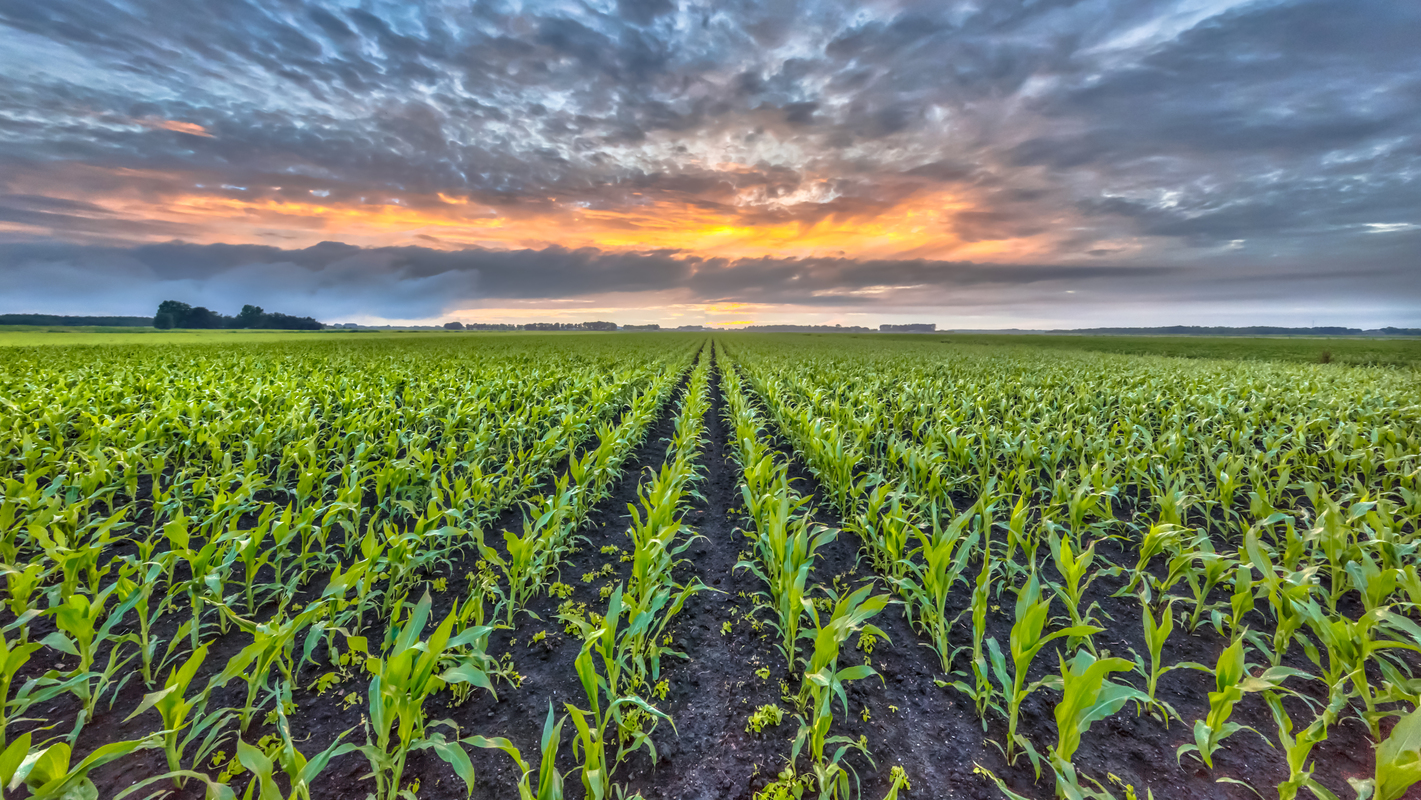
Over the past two decades, the area planted with corn in Brazil has grown from 12.8 million to 22.3 million hectares. This 74.6 per cent increase, according to data from the National Supply Company (Conab), reflects advances in genetic improvement and the use of new technologies, which have increased productivity and attracted producers due to the grain’s high potential for financial returns.
According to the National Energy Balance 2024, one of the main drivers of this growth is the biofuels sector, in which corn already represents 16 per cent of national production. For Robson Vasconcellos, Product Development Consultant / Corn Crop Specialist at TMG – Tropical Melhoramento & Genética, a Brazilian company offering genetic solutions for cotton, soybeans and corn, this movement has contributed to the stabilization of grain prices. “Corn ethanol, as well as farms and other sectors, has brought the price stability that farmers have been seeking for a long time, creating a more attractive and diversified environment for their income,” he says.
José Flávio, TMG’s Research Manager, emphasizes that the sector’s response has been to invest in innovation. “The development of hybrids through genetic improvement has enabled continued growth in production capacity. Genetically more resistant lines, combined with the relentless pursuit of productivity, provide us with consistent gains, even in the face of challenges such as pests, diseases and climate variations.”
He highlights that “research projects in Brazil have generated hybrids that not only deliver high yields but also offer greater resilience to biotic and abiotic stress, which is essential for regions such as the Cerrado, where the soil and climate are becoming increasingly challenging.”
Brazil still has challenges to overcome
Despite the advances, Brazil has not yet reached its full potential. “There is a large gap between Brazilian productivity and that of the United States, for example. This represents an opportunity for genetic improvement,” explains José Flávio. He notes that US breeding programs have a much longer history and that North American soil is generally more fertile. “Here in Brazil, especially in the Cerrado, we are making progress with new technologies, machinery, management tools and crop protection products, but we still face significant challenges related to soil and climate.”
Brazil’s tropical climate, in turn, favours the proliferation of pests, which requires producers to redouble their efforts to remain competitive. “Pests and diseases can persist practically all year round,” warns Flávio. “The leafhopper continues to be one of the biggest threats, with an increase of almost 200 per cent in infestation during the last harvest, according to the National Union of the Plant Protection Products Industry.”
To address these challenges, he emphasizes the importance of control practices and genetic innovation: “The increasing use of fungicides has been essential for plants to reach their productive potential. However, genetic improvement needs to continue evolving, ensuring that producers have access to more profitable and sustainable cultivars. The continuous development of new technologies will be decisive in maintaining our competitiveness in the global market.”
TMG – Tropical Melhoramento & Genética (Tropical Breeding and Genetics) is a Brazilian multiplatform company that has a premium germplasm bank and has been operating for over 20 years to offer rural producers genetic solutions for cotton, soybeans and corn. Its portfolio includes cultivars and hybrids developed with all the biotechnologies available on the market, aiming to deliver innovation to the field and contribute to meeting the global demand for grains and fibres sustainably. TMG’s headquarters are located in Cambé (PR) and the company also has a unit in Rondonópolis (MT), in addition to 14 research and development bases spread across six states, in the main Brazilian producing regions, with field trials and experiments. The company also has commercial partnerships and technical cooperation with major players in the national and international markets.
Source - https://agriculturepost.com