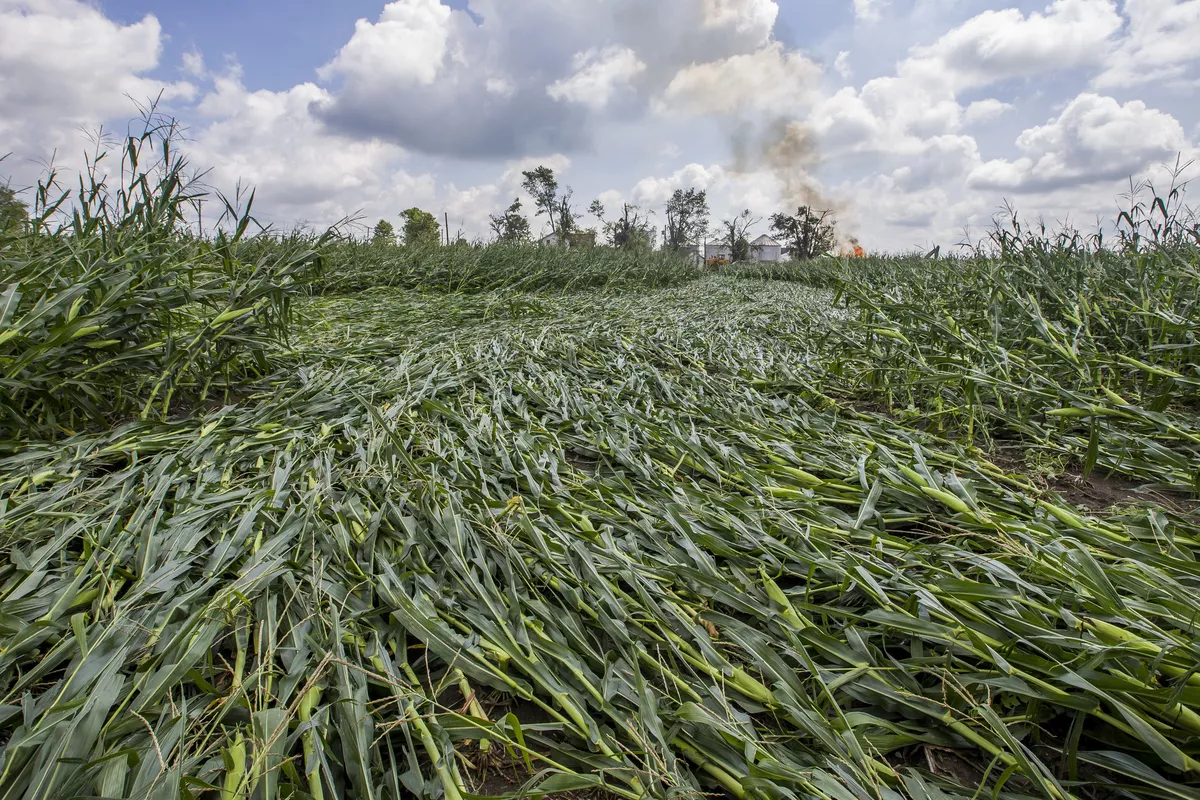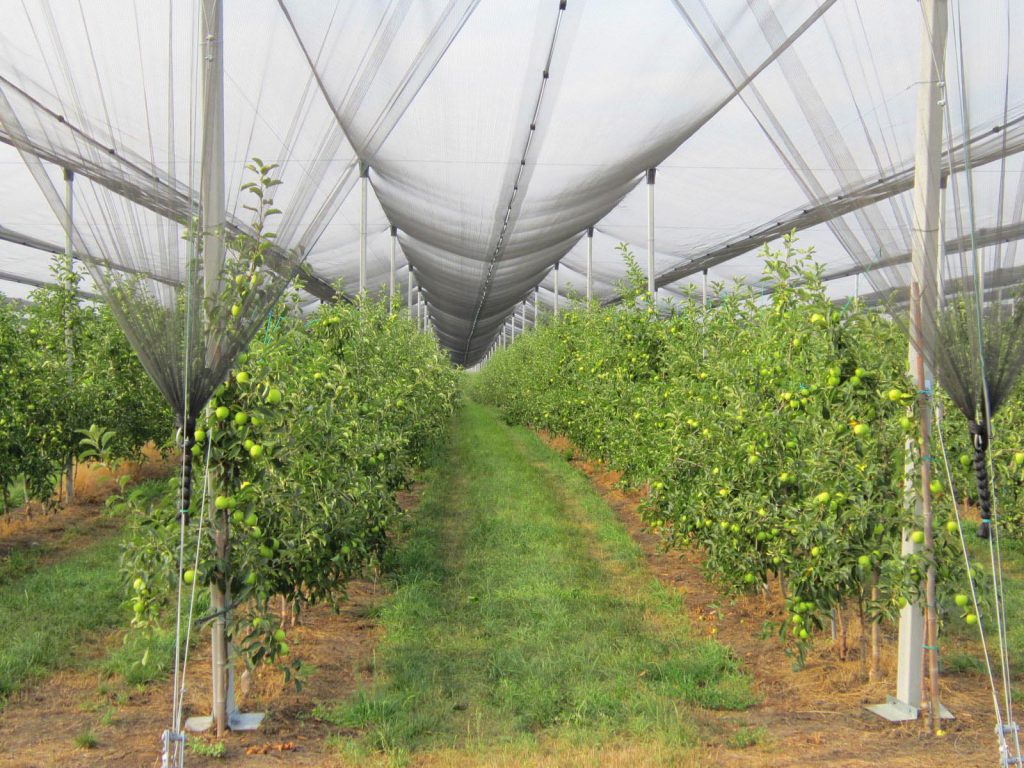
Since the beginning of 2020, about 180 hectares of Georgian orchards have been covered by anti-hail systems with the support of the governmental program “Plant the Future”. According to the latest data, another 65 hectares were covered with systems in 2023. This is more than any other year since the start of this component of the program. On average, the annual installation of anti-hail systems was 45 hectares. EastFruit spoke with several local stakeholders about the need for the systems.
Apart from support in purchasing saplings, installing drip irrigation, and establishing nurseries, the governmental program, “Plant the Future”, which aims to boost and modernize local agriculture, also co-finances installations of anti-hail systems for table grapes, raspberries, blackberries, apples, pears, and cherries. These cultures were specifically selected as they are most likely to be affected by the hail in Georgia.
Generally, not more than 10% of the total cost of the anti-hail systems is financed, and in the case of cooperatives with agricultural status, villages near the dividing (Russian occupation) line, and highland settlements – not more than 20% of the total cost is financed by the government.
According to the Ministry of Environmental Protection and Agriculture report of Georgia, total investments in anti-hail systems through the program in 2020-2022 amounted to $2.3 million, which is about $18-$20 thousand per hectare for each culture.
Overall, since the start of the program, including the new data for 2023 provided by the Rural Development Agency, table grapes take up 17% of the total area covered by the systems, and apples, cherries, and pears take up the rest. The new investments into 65 hectares in 2023 were in apple orchards only. With the current data, apples take up at least 71% of the total area covered or to be covered soon.
Local stakeholders highlight that anti-hail systems are necessary for businesses that focus on quality and quantity. Many large-scale businesses installed the systems even before the government started providing financial incentives to establish anti-hail systems. These farmers found that it is not worth taking a risk.
A major factor in installing the system in Georgia was noted to be the absence of proper insurance. Currently, insurances cover the damage for fruit that has fallen from the plant, with some average amount per kilogram. This amount is usually not enough for the farmers to properly cover the damage, which may also affect the fruit on the trees or bushes.
Despite some farmers stressing the importance of anti-hail systems, investments in such systems only cover 16% of the total area of new apple, pear, cherry, and table grape orchards established since the start of the anti-hail systems’ support program in 2020. The Main hindering factor in this regard is the high costs of the systems.
Source - https://www.freshplaza.com