This year's outdoor harvest on the Filderebene is currently in full swing. However, the weather is causing extreme problems for the vegetable farmers this year. "We have already had hardly any precipitation for eight weeks. Many crops, such as lettuce, radishes, but also cauliflower and broccoli, have suffered greatly as a result," reports Maria Raff, managing director of the Bärenhof vegetable farm.
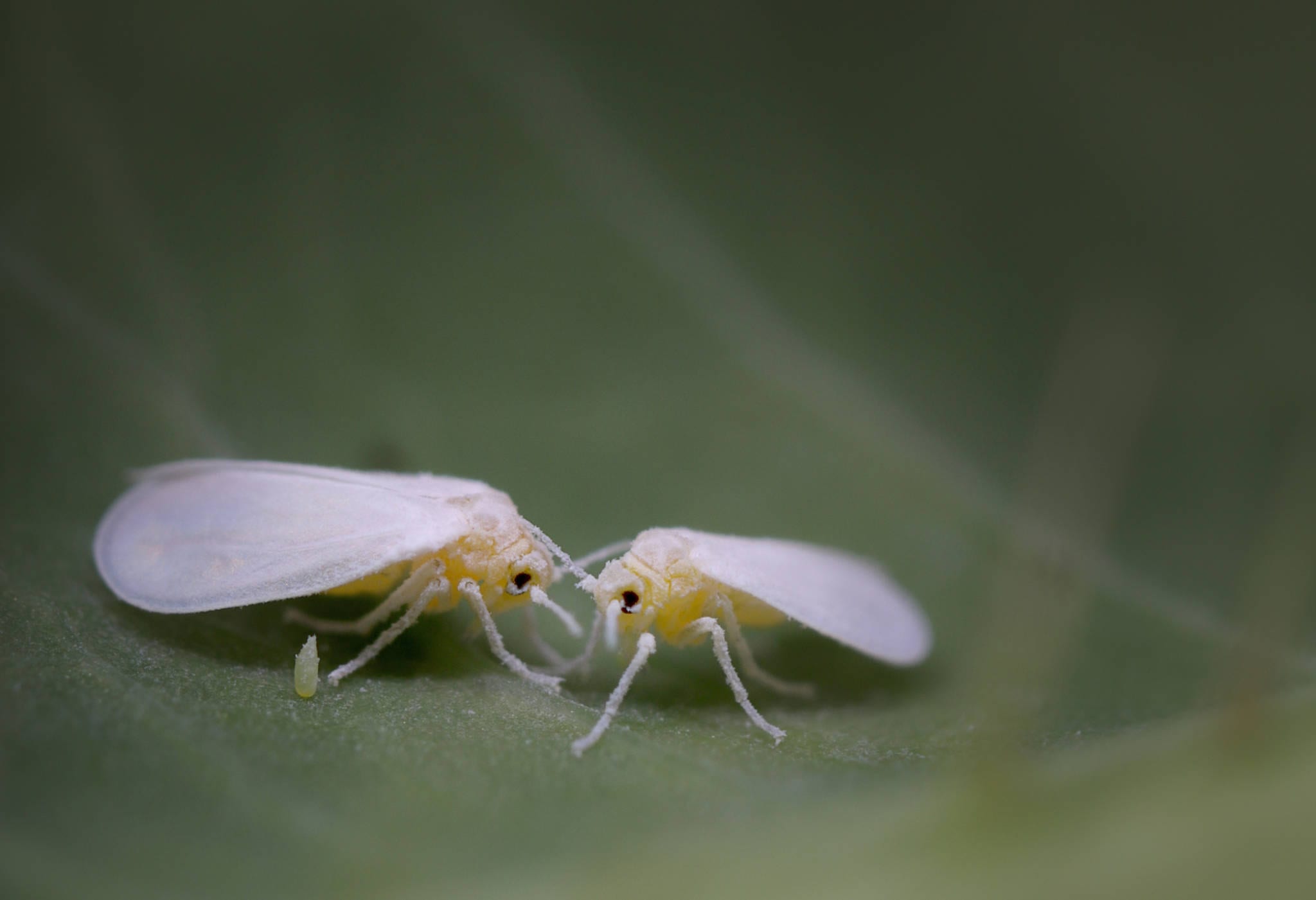
Climate change and the associated hot spells in summer pose major challenges for the vegetable farm on the Filderebene. "Certain crops such as chard, celery, as well as spring onions, we have now completely removed from our range. Other crops, such as red radishes, we can now only produce and market in the spring. We are also growing fewer leeks because of recurring problems with thrips and flies," Raff explains.
Filderspitzkraut, a popular cabbage vegetable grown locally, is also particularly susceptible to thrips, he said. "Quality has been extremely variable in recent years. 2023 has tended to be a weaker cabbage year so far," the market gardener sums up.
Special crop cultivation gains in importance
Nevertheless, climate change also brings new opportunities for regional vegetable farmers. Raff: "Already a few years ago, we ventured into the cultivation of netted melons, which unfortunately didn't work out so well at the time. However, we have taken up the topic of melon cultivation again by protecting the plants from mice with the help of film, which has worked quite well so far. In about four weeks we will be able to harvest the first batches, which we will then offer for sale at the farm," it concludes.
Source - https://www.freshplaza.com