Germany - New marine oil distillation methods could save producers money, industry-backed case study finds

03.04.2025 437 views

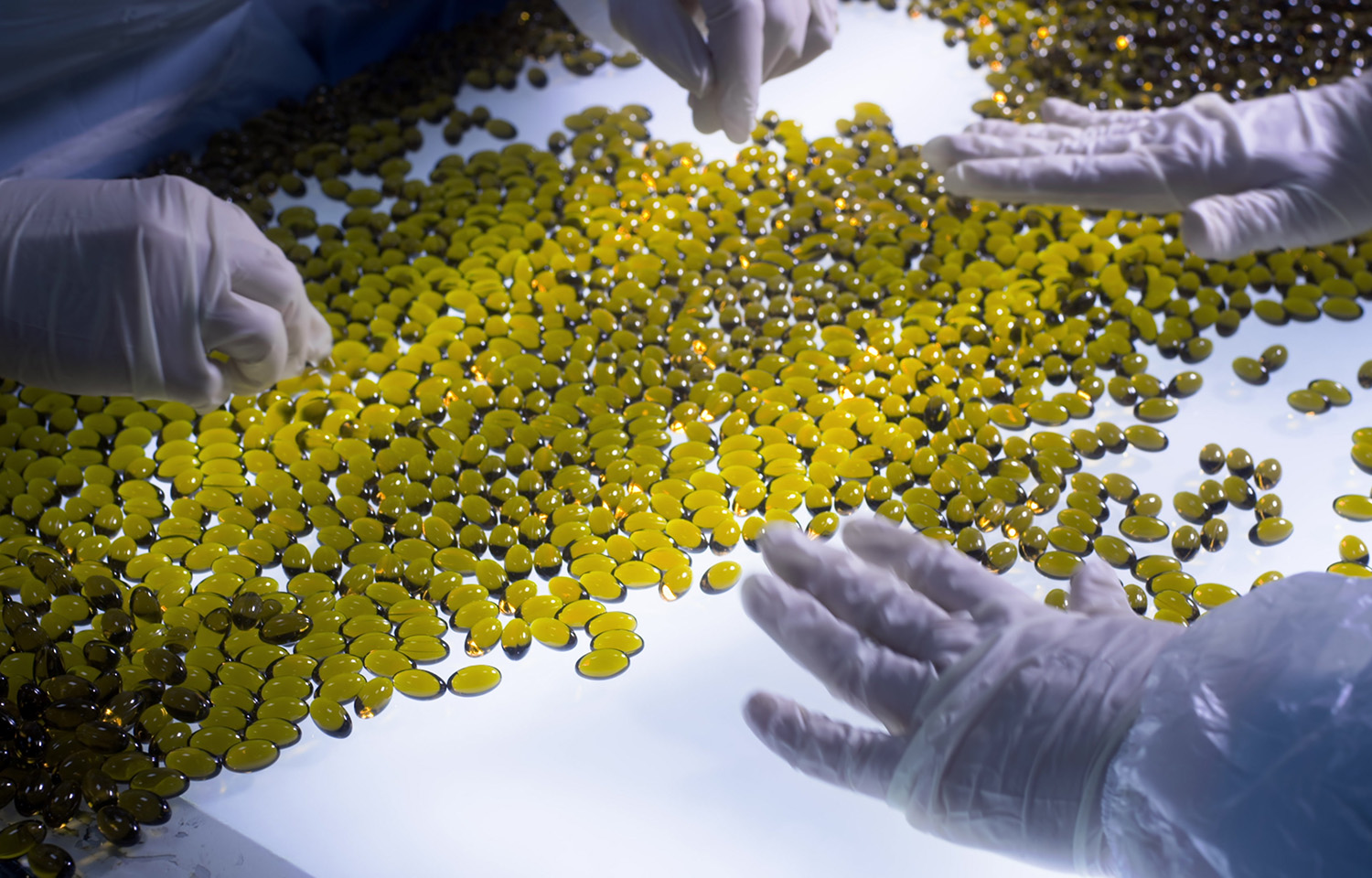
Germany-based marine oil distillation companies UIC and VTA, both of which are members of the industrial pipeline conglomerate Streicher Group, have published a joint case study suggesting that short path distillation of fish oils could save producers significant money. 

The traditional method of refining crude oils – through chemical neutralization – treats fish oil with an alkaline solution that removes free fatty acids by turning them into soap. Though the treatment is effective, “a significant amount of the valuable product is emulsified and will be lost along with the soapstock.” 

To respond to market and manufacturing pressures, UIC and VTA are now offering short path distillation (SPD), a non-chemical process which removes free fatty acids, pesticides, persistent organic pollutants (POP), and other substances which must be removed for fish oil to meet current regulations. 

Though both methods of distillation are known to be effective, the UIC and VTA case study said that SPD has the potential to produce significant savings through limiting waste.  

The case study offered this example to illustrate the possible savings.

“Assuming an annual production of 15,000 tons per year, replacing chemical neutralization by short path distillation saves 600 tons of valuable product. Based on a value of USD 3,000 to USD 4,000 (EUR 2,800 to EUR 3,700) per ton of crude oil, the total savings could be up to USD 2.4 million (EUR 2.2 million),” the study said. 

The case study added that even smaller producers could benefit from such savings, as a company with a production volume of only 5,000 tons could save 200 tons of product and up to USD 800,000 (EUR 740,000) annually.


Source - https://www.seafoodsource.com

01.10.2026

India - Kitchen budget in Mumbai takes a hit as veggie prices rise amid crop loss, low supply

Vegetable prices in Mumbai have risen sharply after Ganeshotsav and with the onset of Pitrupaksha, as erratic monsoon conditions, crop damage and lower arrivals tightened supplies, said traders. 

01.10.2026

Togo Plans Pilot Agricultural Insurance Scheme for Young Farmers and Entrepreneurs

Togo’s PAJEC entrepreneurship program plans to launch a pilot agricultural insurance scheme. The government has issued a call for expressions of interest to select a provider to design and roll out the scheme.

01.10.2026

India - Soybean prices recover as crop damage offsets pressure from rising arrivals

Indias soybean prices recovered sharply w-o-w on 30 September 2026 despite a rapid increase in new-crop arrivals, as concerns over crop damage and lower production estimates have offset pressure from increased supplies. 

01.10.2026

USA - Fruit growers face Nov. 20 crop insurance deadline

Northeast fruit growers have until Nov. 20 to purchase or update crop insurance for the 2027 crop year, according to Crop Growers, a crop insurance provider owned by Farm Credit East.

01.10.2026

IFPA releases statement on largest Cyclospora outbreak in U.S. history

The International Fresh Produce Association (IFPA) has called for greater collaboration between industry and public health authorities as the United States experiences what it describes as the largest Cyclospora outbreak on record.

01.10.2026

Ukraine introduces new rules for GM crops and produce

Ukraine's new law regulating genetically modified organisms (GMOs) and GMO products comes into force on September 16, introducing clearer requirements for the registration, cultivation, traceability, and labelling of GM crops.

30.09.2026

Spain - Fruit supplier targets 30-45% growth with year-round supply strategy

Senda Fruits is heading into another edition of Fruit Attraction with a clear objective: to expand its market presence and aim to meet the needs of its customers all year round. 

30.09.2026

Corn Stocks Shock U.S. Market as USDA Finds 2.1 Billion Bushels in Storage

USDA found 2.095 billion bushels of old-crop corn in storage, far above trade expectations and adding new pressure to U.S. grain markets.