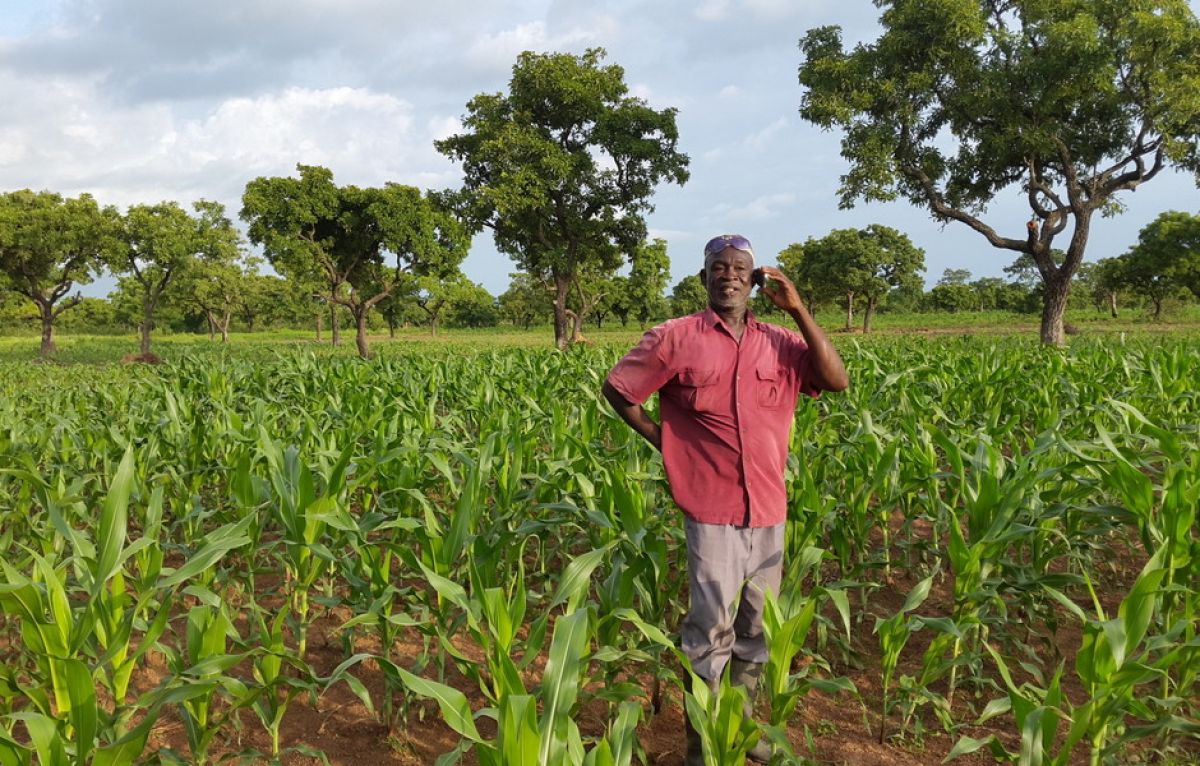
A crop insurance premium worth one million dollars has been paid to a continental insurance entity, African Risk Capacity, ARC to safeguard farmers whose crops were affected by a dry spell this year.
The initiative is being funded by Global Shield Solution Platform (GSSP) an international non-profit organization that aims to increase protection for vulnerable people.
Madam Charlotte Norman, the Director for Climate Change Adaptation and Disaster Risk Reduction at the National Disaster Management Organisation said this at a side event organised by the GSSP at COP29, Baku, Azerbaijan.
Madam Norman said the GSSP would support paying the crop insurance premium for the next three years after which the government would be expected to continue.
She explained that working with other relevant stakeholders, a database had been established to facilitate the registration and payout process as indicated in the contingency plan.
The payment by GSSP provided a financial buffer, where funds would be made available after a drought to help stabilise the economy and reduce the need for emergency budget reallocations.
It would allow for more predictable and planned responses to droughts rather than relying on uncertain financial aid or emergency funding.
Madam Norman who is also the Government Coordinator for the ARC Programme said with timely financial support available, households would be less likely to resort to negative coping strategies such as selling assets or reducing food intake.
Ghana, she said, was the first country to have requested for the support in sub-Saharan Africa and was the first beneficiary.
“Aside from the crop insurance, they have supported Ghana to develop a product which would cater for flood in Greater Accra.
"And all we need is to put that product on the market because the product was developed by us in Ghana. We are actually defining what we want, the costs, everything in that product is country tailored,” she said.
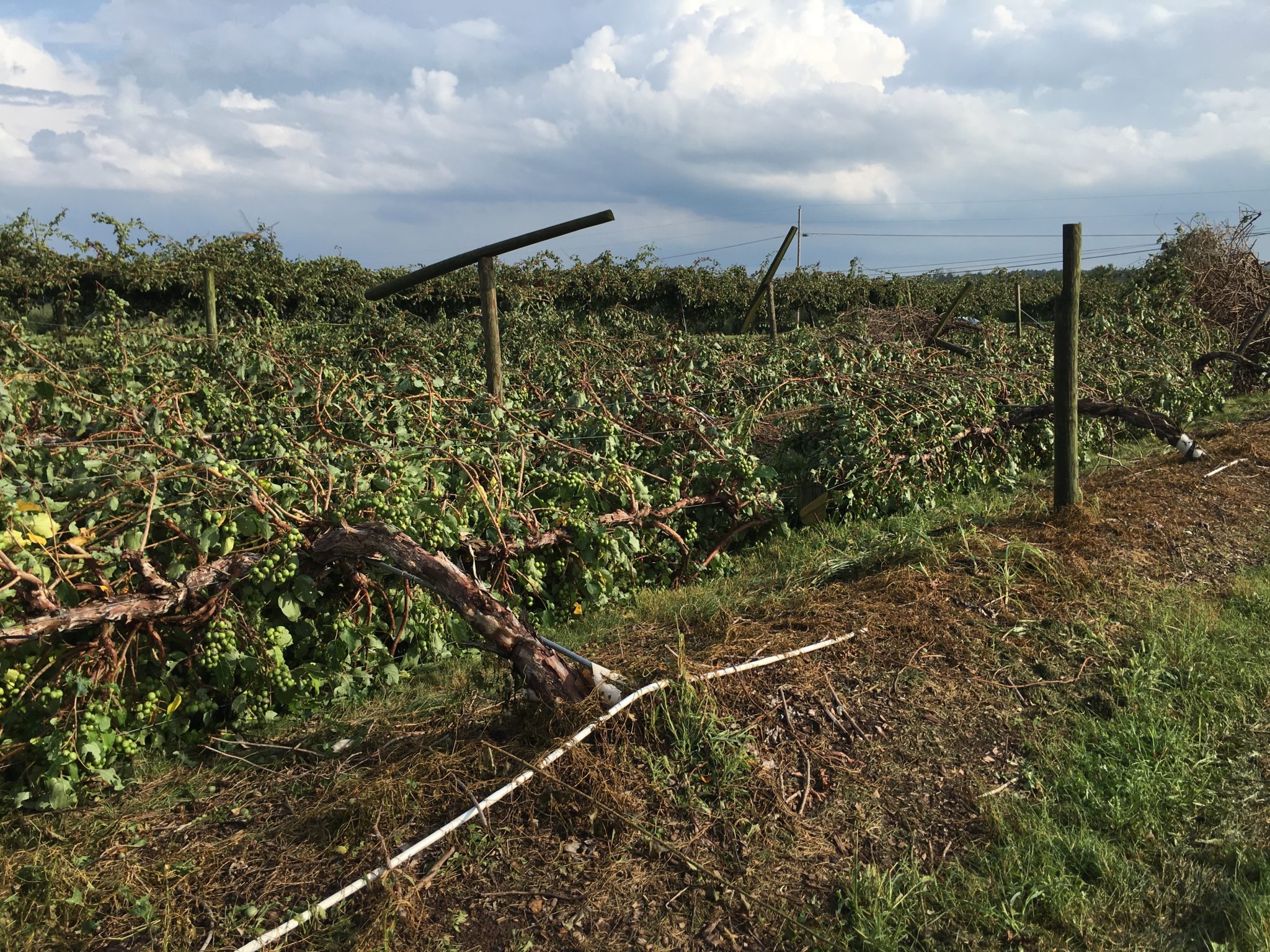
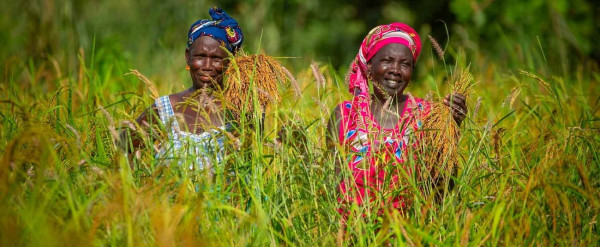
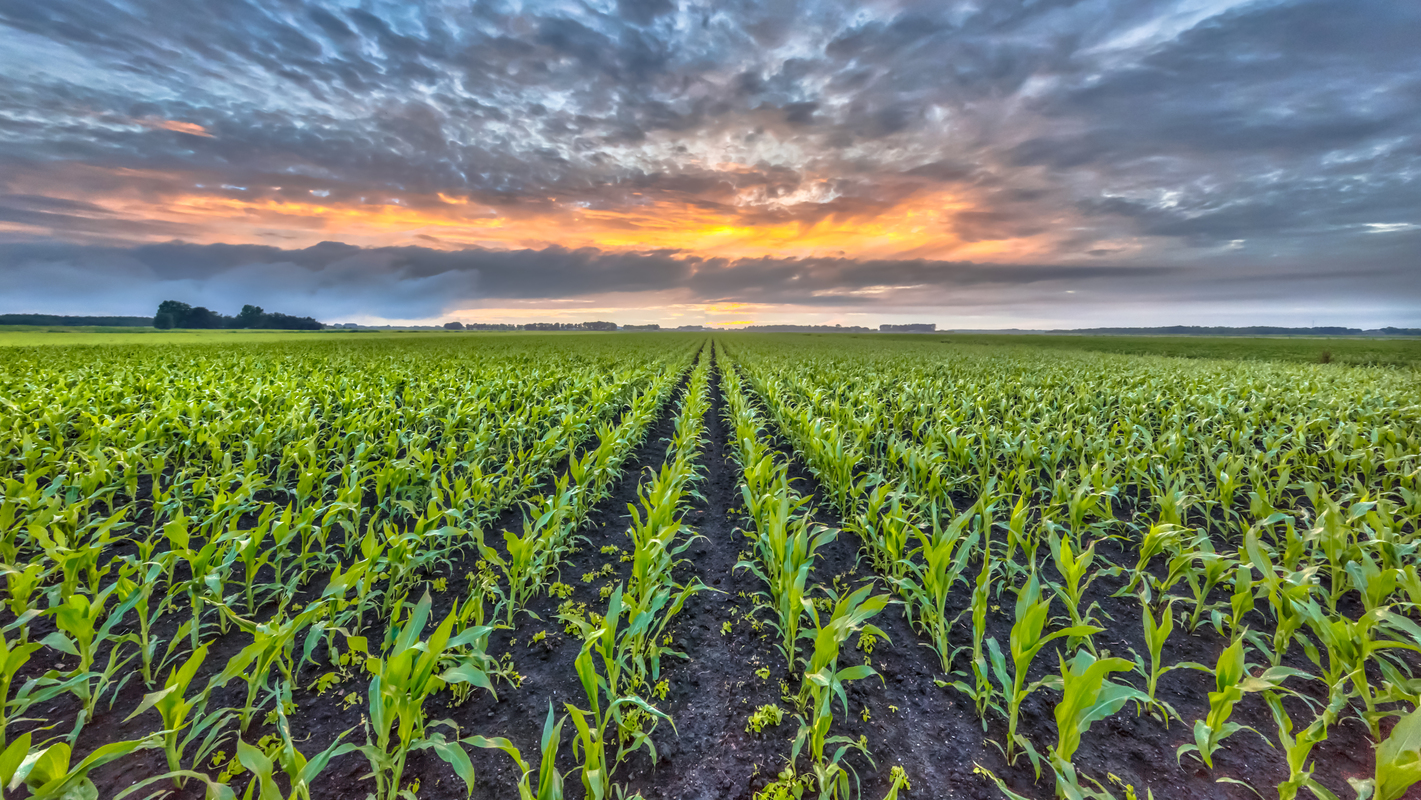
Ghana recorded a shortage in cereals this season due to dry spells in the Northern parts of Ghana which led to the loss of livelihood of farmers. The dry spell has resulted in significant losses for farmers, with an estimated investment loss of GH¢ 3.5 billion and a revenue loss of GH¢10.4 billion.
Mr Lesley Ndlovu, the Chief Executive Officer of African Risk Capacity (ARA) Limited said since its inception in 2012, more than $230 million in claims had been paid to countries.
He noted that beneficiary countries including Zimbabwe, Zambia, Mozambique and Malawi had been paid claims close to $70 million as a result of the disaster.
Mr Ndlovu said studies conducted by experts, including that of the Intergovernmental panel on Climate Change, IPCC indicated that natural disasters in the coming years would intensify, hence the need for more capital.
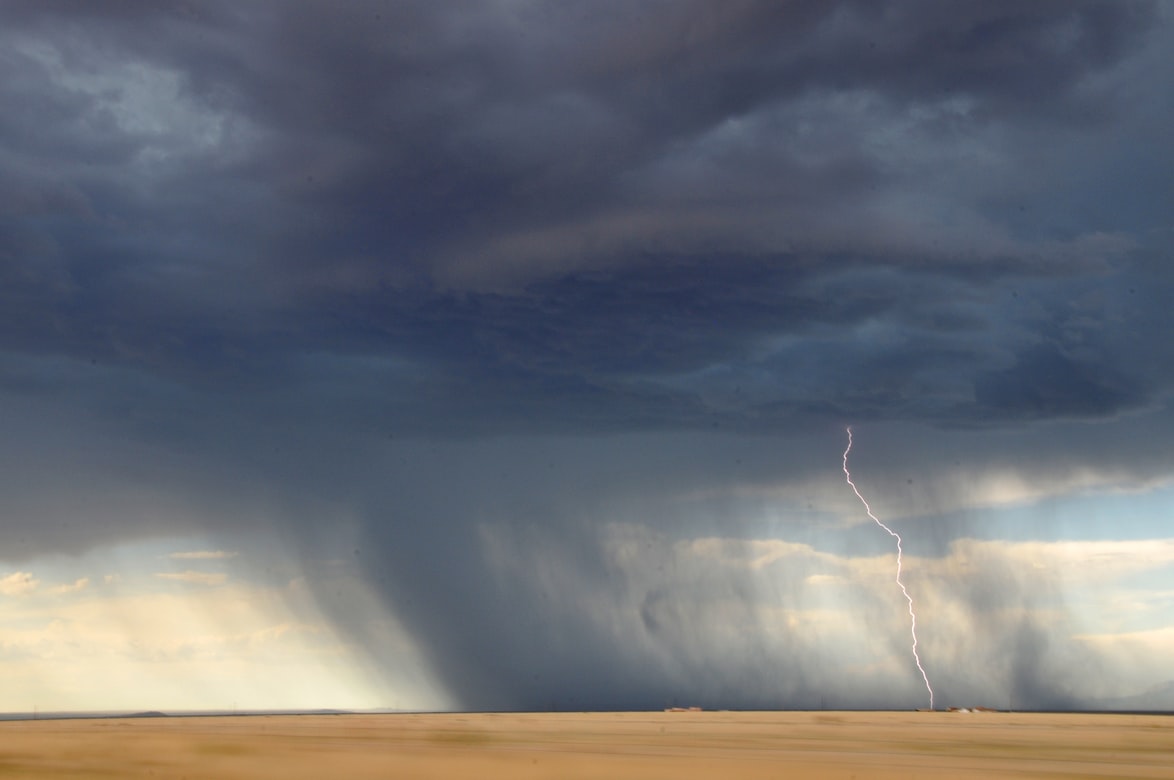
“All of us can testify to this fact because we see it in our communities, the erratic rainfall patterns, the increasing number of droughts, the increasing number of floods that we are experiencing,” he said.
“We were thrilled and delighted that Ghana has taken this proactive step towards disaster risk financing using insurance as a tool. They have joined the community of African countries that are part of the ARC mechanism”.
Ms Annette Detken, Head of Global Shared Solutions Platform, said 17 more countries were in line to receive funding to address their climate risk.
Countries including Malawi, Madagascar, Rwanda, Tonga, Samoa, Jamaica, Peru and Pakistan had submitted their expression of interest and were going through needs assessment and prioritisation.
She called on donors to contribute to the kitty to support countries in distress, adding that the platform had 200 million Euros from six donors, Germany, Denmark, Ireland, France, the European Union and Luxemburg.
The Global Shield is an international non-profit organization that aims to increase protection for vulnerable people by providing and facilitating substantially more and better-pre-arranged finance against disasters.
The African Risk Capacity was set up in 2012 at the request of the African Union Heads of State due to the increasing frequency and severity of natural disasters.
They were also concerned that there was no reliable and consistent way of financing the cost of these disasters.
ARC, works with African countries to plan, prepare and respond to natural disasters.
Source - https://www.myjoyonline.com