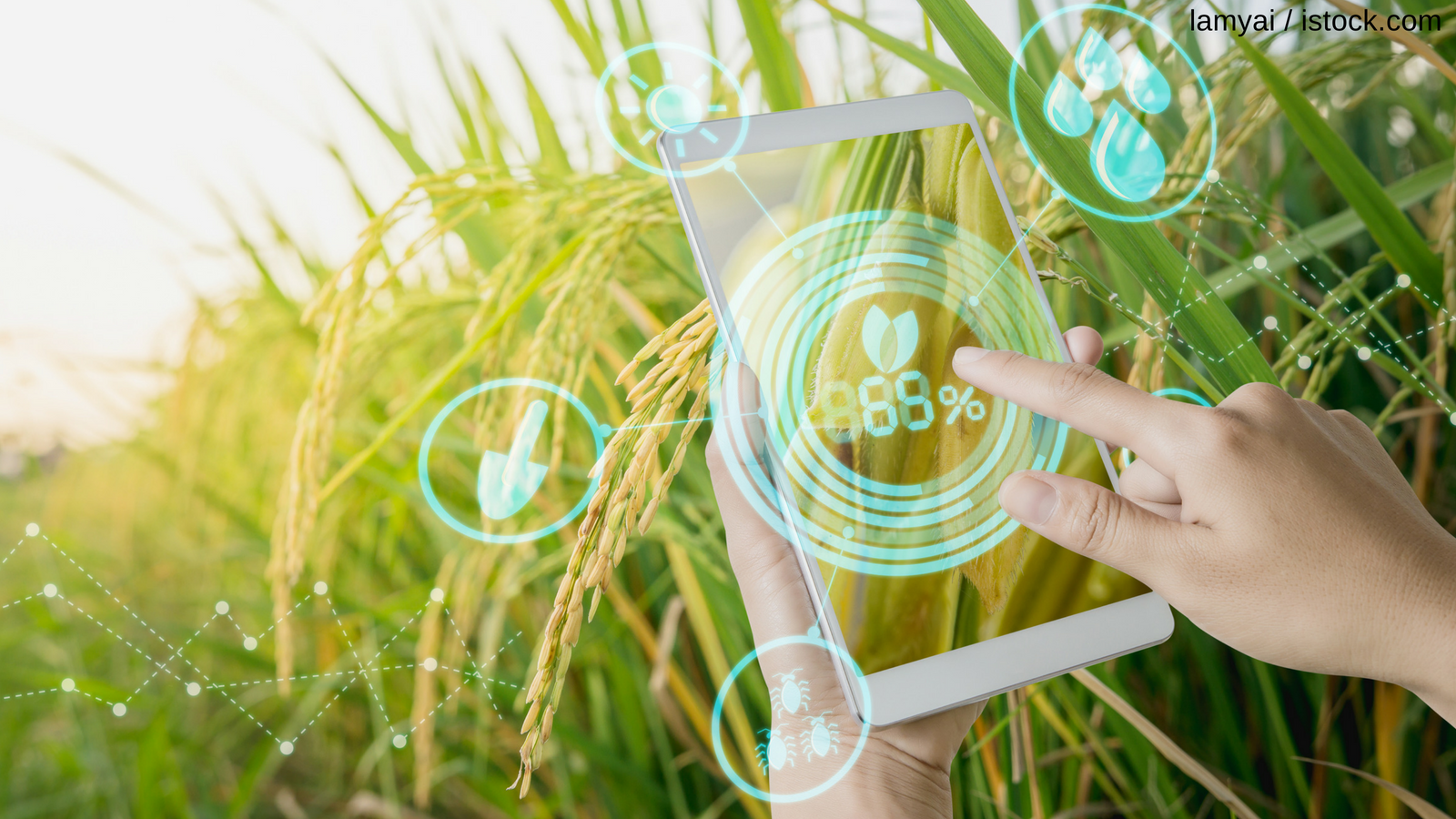
In an era characterized by rapid technological advancements, agriculture stands poised to benefit significantly from the integration of artificial intelligence (AI). AI technologies, including machine learning algorithms and data analytics, offer unprecedented opportunities to optimize crop management practices, enhance productivity, and mitigate environmental impact. This article explores the transformative role of AI in crop management, highlighting its applications, benefits, and future prospects.
1. Precision Farming With AI
Precision farming, which involves tailoring agricultural practices to specific field conditions, lies at the heart of AI-driven crop management. By leveraging AI algorithms and data analytics, farmers can gain valuable insights into soil health, crop growth patterns, and pest infestations, enabling them to make informed decisions in real-time.
Soil Health Assessment: AI-powered soil sensing technologies, such as electromagnetic induction and optical spectroscopy, facilitate rapid and accurate assessment of soil properties, including nutrient levels, pH, and moisture content. Machine learning algorithms analyze soil data to generate detailed soil maps, enabling farmers to implement targeted soil management strategies, such as variable-rate fertilization and pH adjustment, to optimize crop yields and minimize environmental impact.
Crop Monitoring and Management: Remote sensing technologies, coupled with AI algorithms, enable continuous monitoring of crop health and growth dynamics. Satellite imagery, drones, and ground-based sensors capture multispectral data, which is then processed using machine learning algorithms to detect early signs of stress, disease, or nutrient deficiencies. This allows farmers to implement timely interventions, such as precision irrigation, targeted pesticide application, or nutrient supplementation, to mitigate crop losses and maximize yields.
2. Predictive Analytics For Yield Optimization
AI-driven predictive analytics hold immense potential for optimizing crop yields and enhancing farm profitability. By analyzing historical and real-time data on weather patterns, soil conditions, crop performance, and market dynamics, AI algorithms can forecast future yields, identify optimal planting times, and optimize input usage, thereby maximizing productivity and minimizing costs.
Weather Forecasting and Risk Management: AI-powered weather forecasting models leverage vast datasets and machine learning algorithms to generate highly accurate short-term and long-term weather predictions. By providing farmers with advance warning of adverse weather events, such as droughts, floods, or heatwaves, these models enable proactive risk management strategies, such as adjusting planting schedules, implementing irrigation plans, or securing crop insurance, to minimize losses and safeguard farm livelihoods.
Market Intelligence and Decision Support: AI-based market analysis tools analyze diverse sources of market data, including commodity prices, consumer trends, and geopolitical factors, to provide farmers with actionable insights and decision support. By identifying lucrative market opportunities, optimizing crop selection, and guiding pricing and marketing strategies, these tools empower farmers to maximize profits and adapt to changing market dynamics in real-time.
3. Sustainable Agriculture And Environmental Stewardship
AI-driven crop management holds the potential to promote sustainability and environmental stewardship by optimizing resource usage, reducing waste, and minimizing environmental impact. By integrating AI technologies into agricultural practices, farmers can enhance resource efficiency, conserve biodiversity, and mitigate climate change effects, thereby fostering a more resilient and sustainable food system.
Resource Optimization: AI-powered precision agriculture techniques, such as variable-rate fertilization, precision irrigation, and targeted pest management, optimize resource usage by delivering inputs precisely where and when they are needed. This minimizes wastage, reduces environmental pollution, and conserves natural resources, such as water, soil, and energy, while maximizing crop yields and farm profitability.
Biodiversity Conservation: AI-driven land-use planning tools facilitate the identification of optimal crop rotation patterns, agroforestry practices, and habitat conservation measures to enhance biodiversity and ecosystem services on farms. By promoting habitat diversity, minimizing monoculture cultivation, and preserving natural habitats, these tools support pollinator health, pest regulation, and soil fertility, while mitigating the risk of pest outbreaks, disease epidemics, and crop failures.
In conclusion, artificial intelligence represents a powerful tool for revolutionizing crop management and advancing sustainable agriculture. By harnessing the power of AI technologies, farmers can optimize resource usage, maximize yields, and mitigate environmental impact, thereby contributing to a more resilient, efficient, and sustainable food system. As AI continues to evolve and mature, its integration into crop management practices holds the promise of transforming agriculture and addressing the challenges of feeding a growing global population in a changing climate.
Source - https://ibcworldnews.com