The agricultural sector in India is undergoing a significant transformation due to the integration of advanced technologies like agri-tech drones with traditional farming practices. These innovations address issues such as pest infestations, diseases, and inefficient resource use, which significantly affect crop yields annually. By delivering precise, actionable data, drones enhance crop management and profitability, offering substantial benefits to smallholder farmers by improving access to advanced technologies and broader markets.
Hyperspectral Imaging
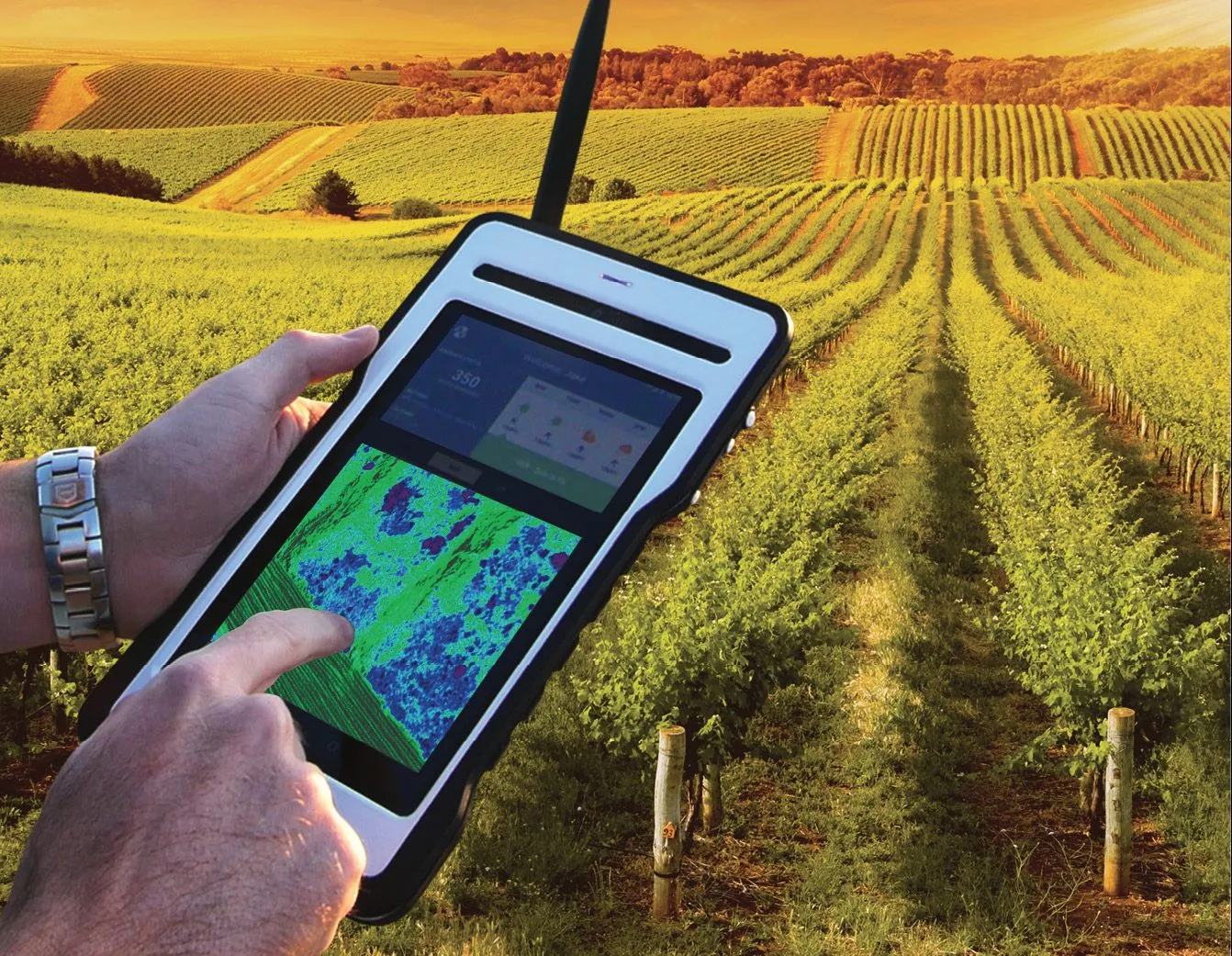
Equipped with hyperspectral imaging sensors, drones are revolutionizing agricultural monitoring. These sensors capture light across a broad spectrum of wavelengths, providing detailed insights that surpass human capabilities. By analyzing spectral signatures, drones detect subtle changes in plant health early, allowing for preemptive actions to combat diseases, pest infestations, nutrient deficiencies, and water stress. This enhances crop resilience and minimizes environmental impact.
Yield Optimization
By enabling early detection and precise identification, drone technology significantly reduces crop loss, potentially decreasing it by 20% to 30%, which enhances both yield and quality. Furthermore, the precise application of inputs helps ensure that agricultural products meet international standards for chemical residues, opening up greater market access and improving income for farmers.
Sustainable Practices
The adoption of drone technology contributes to sustainable farming practices by ensuring the precise application of chemicals and improving water and nutrient management. This precision reduces the carbon footprint of farming operations, enhances soil health, and minimizes chemical runoff. Additionally, precision irrigation facilitated by drones conserves water and reduces soil compaction, promoting better soil health and microbial activity, crucial for maintaining biodiversity and ecosystem balance.
Economic Impact
The economic impact of drone technology in agriculture is profound. While the initial investment may be significant, the long-term savings from reduced input use and labor are noteworthy. Drones expedite tasks like monitoring and spraying, leading to increased crop yields and higher quality produce, which fetch better market prices. Meeting stringent chemical residue standards opens premium markets, enhancing farmers’ income opportunities. Precise application of pesticides and fertilizers not only supports sustainable practices but also helps farmers meet market standards, reducing the risk of produce rejection.
AI Integration
Advanced drones are increasingly sophisticated, integrating AI and machine learning algorithms that analyze data collected during flights. This data is pivotal for predicting crop yields, optimizing planting patterns, and generating health maps of the soil, further integrating technology into agricultural operations. The real-time integration and analysis of data from drones revolutionize decision-making in the field, supporting more informed decisions regarding irrigation, fertilization, and harvesting. This leads to increased operational efficiency and reduced waste.
Global Adoption
Globally, the adoption of drones is reshaping agricultural practices, with countries in North America, Europe, and parts of Asia leading the way in technological innovations. In India, the adaptation of drone technology is tailored to meet the specific needs and challenges of local farming practices, making technology accessible and beneficial on a large scale.
Future Advancements
Looking forward, advancements in drone technology are set to revolutionize agriculture further. Future drones will operate more autonomously, performing tasks and improving the efficiency of the data provided. The integration of artificial intelligence with advanced imaging technologies will allow for even more precise monitoring and management of crops, leading to reduced input costs and increased yields. Additionally, the adoption of blockchain for secure data management will enhance traceability, providing consumers with transparent information about the cultivation and treatment of crops.
Sustainable Future
Agri-tech drones are steering the agricultural industry towards more precise and sustainable practices, significantly enhancing crop monitoring and yield optimization. As this technology continues to evolve and become more integrated into everyday farming operations, it promises not only to mitigate current challenges but also to pioneer future advancements in agriculture. This revolution is about more than improving yields—it’s about securing a sustainable future for farming communities across the globe.
In conclusion, the revolutionary impact of agri-tech drones on the agricultural sector cannot be overstated. These advanced technologies are transforming traditional farming methods into more efficient, sustainable, and profitable practices. By enhancing precision in monitoring and managing crops, drones are not only boosting yields but also ensuring that farming practices are environmentally sustainable and economically viable. As this technology continues to evolve, it holds the promise of further innovations that will drive the agricultural industry towards a more secure and sustainable future, benefiting farmers and consumers alike.
Source - https://indiacsr.in