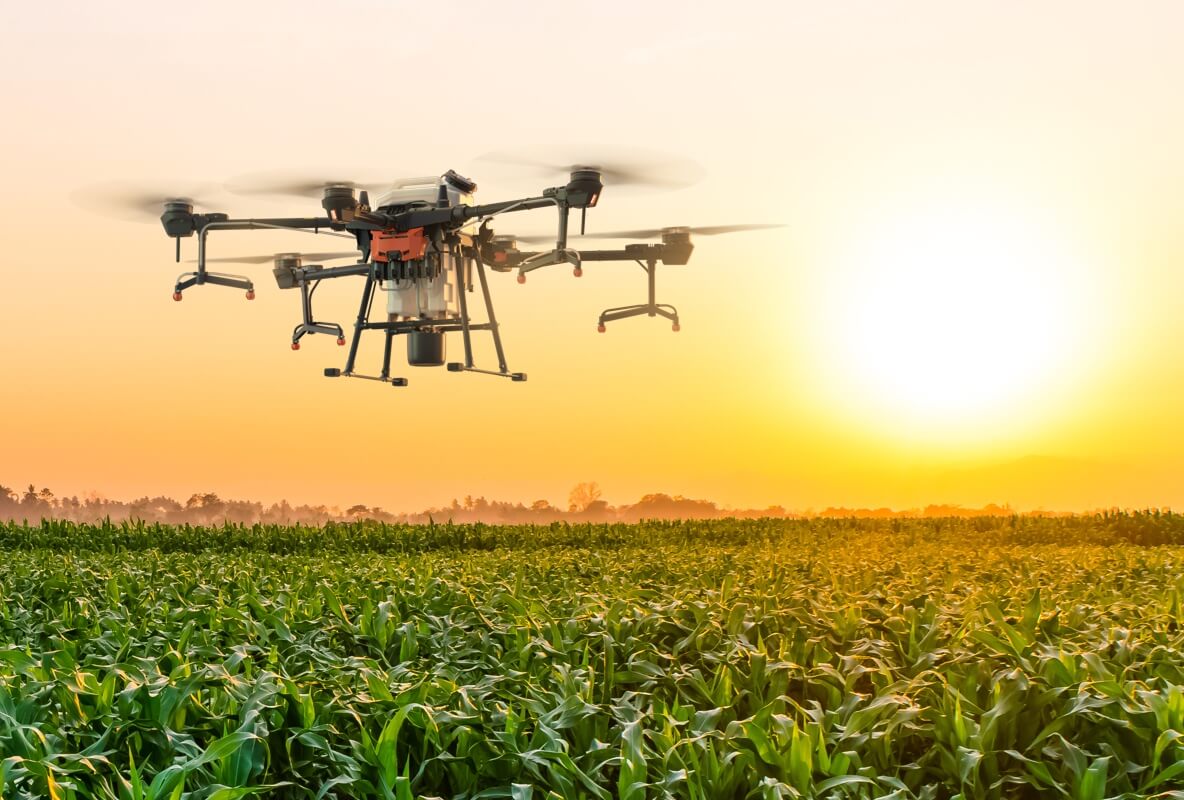
In recent years, the agricultural industry has been undergoing a technological revolution. From self-driving tractors to precision irrigation systems, farmers are embracing cutting-edge innovations to improve efficiency and productivity. One of the most promising advancements in this field is the use of solar-powered drones, which are poised to transform agriculture in a multitude of ways.
Solar-powered drones, also known as unmanned aerial vehicles (UAVs), are equipped with solar panels that enable them to harness the sun’s energy and stay airborne for extended periods. This renewable energy source allows these drones to operate more sustainably and cost-effectively than their fossil fuel-powered counterparts. Moreover, the use of solar power enables these drones to fly for longer durations, which is particularly beneficial for agricultural applications.
One of the primary ways in which solar-powered drones are revolutionizing agriculture is through their ability to collect high-resolution aerial imagery. Equipped with advanced cameras and sensors, these drones can capture detailed images of crops, allowing farmers to monitor their fields’ health and growth more effectively. This real-time data can be used to identify issues such as pest infestations, nutrient deficiencies, and irrigation problems, enabling farmers to address these concerns promptly and minimize crop loss.
In addition to providing valuable insights into crop health, solar-powered drones can also be used to optimize irrigation practices. By analyzing the aerial imagery captured by these UAVs, farmers can determine which areas of their fields require more or less water, allowing them to adjust their irrigation systems accordingly. This targeted approach to irrigation not only conserves water resources but also helps to maximize crop yields.
Another significant advantage of solar-powered drones in agriculture is their ability to assist with crop scouting. Traditionally, farmers have had to rely on manual methods to assess the health and progress of their crops, which can be both time-consuming and labor-intensive. However, with the advent of solar-powered drones, farmers can now cover vast areas of land in a fraction of the time, enabling them to make more informed decisions about their crops and reduce the need for manual labor.
Furthermore, solar-powered drones are also being utilized for precision agriculture, a farming management concept that involves the use of technology to optimize inputs and maximize crop yields. By analyzing the data collected by these drones, farmers can determine the optimal amount of fertilizers, pesticides, and other inputs required for their crops. This targeted approach not only minimizes waste but also helps to reduce the environmental impact of agricultural practices.
In addition to their numerous agricultural applications, solar-powered drones also hold significant potential for environmental monitoring and conservation efforts. For instance, these UAVs can be used to track wildlife populations, monitor deforestation, and assess the impacts of climate change on ecosystems. By providing valuable data on these critical issues, solar-powered drones can play a vital role in informing and shaping environmental policies and conservation strategies.
In conclusion, solar-powered drones are transforming agriculture by providing farmers with unprecedented access to real-time data and insights into their crops’ health and growth. From optimizing irrigation practices to reducing the need for manual labor, these innovative UAVs are helping to improve efficiency and productivity in the agricultural sector. Moreover, their potential applications extend beyond agriculture, with significant implications for environmental monitoring and conservation efforts. As solar-powered drone technology continues to advance, it is poised to play an increasingly important role in shaping the future of agriculture and environmental stewardship.
Source - https://www.energyportal.eu