Southern bacterial wilt of tomato is caused by the soilborne bacterium Ralstonia solanacearum (formerly known as Pseudomonas solanacearum). It is a widespread and potentially devastating disease that affects solanaceous crops and a wide range of ornamentals in the tropical and subtropical regions of the world. The disease develops in high temperatures (over 85°F) and moist soils and is very persistent if introduced. The pathogen enters through microscopic wounds (often injured by insects, cultivation, or transplanting) of susceptible host plants under favorable disease conditions. The bacterium clogs the vascular tissue within the stem and prevents water and nutrients from moving throughout the plant, where the eventual death of the plant occurs.
Distribution and Host Range
The pathogen can affect a wide variety of hosts, including tomato, tobacco, potato, eggplant, pepper, sunflower, and other solanaceous plants, and a wide range of ornamentals, including hollyhock, nasturtium, zinnia, marigold, dahlia, geranium, and others.
Symptoms
Initial stages of the disease include a wilted appearance of the youngest leaves. Typically, plants affected by bacterial wilt will show wilting symptoms while the plant is still green and can appear to come on suddenly. As the disease progresses, the base of the plant may show brown canker root rot and a cross section of an infected stem may show a brown discoloration of the vascular tissue. Plants may appear wilted in the afternoon and seem to "recover" overnight, only to wilt again in the afternoon. This is due to fewer water needs in the morning when there is high humidity, but as the heat increases, the clogged vascular system limits the water uptake, and the plant wilts. The plant eventually becomes permanently wilted, and death occurs. A freshly cut stem at the base of the plant placed in water can also show a stream of a white, slimy substance that is a strong indicator of the bacterium present in the vascular tissue. The interior of the stem will be a light brown color in the pith area. Check out this video of bacterial streaming.
Look-alike diseases: Bacterial wilt on tomato may be confused with other wilt or root rot diseases. Southern blight on tomatoes will also wilt, but affected plants will have a crown rot with white strands or mycelium growing up the stem from the soil line. Small, tan to brown "bebe" sized round structures (sclerotia) are typically present. Fusarium wilt of tomato will typically have one-sided leaf yellowing or wilting. Verticillium wilt typically causes V-shaped lesions on the leaflets and does not wilt as suddenly.
Disease Management
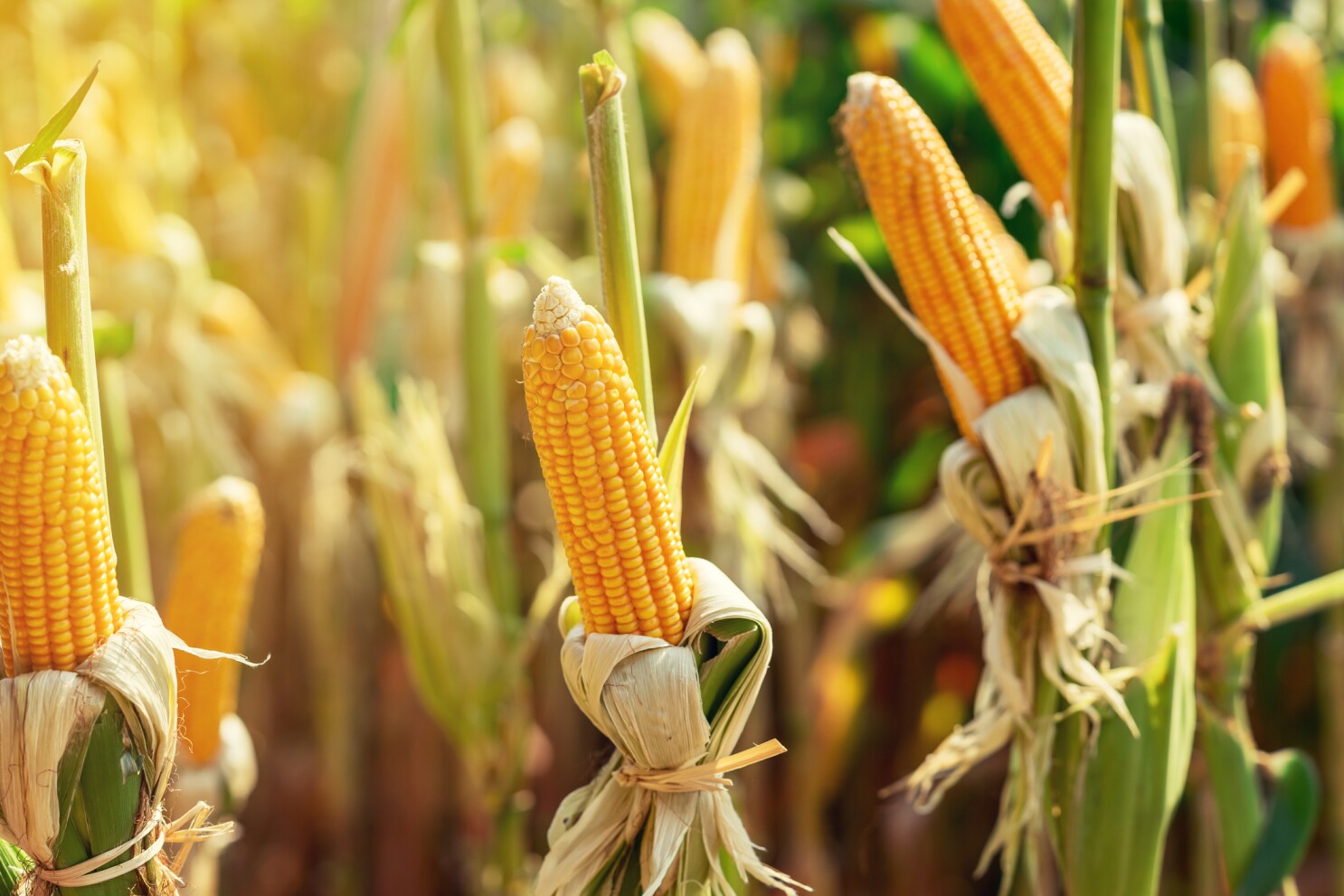
Bacterial wilt can be very difficult to manage once present in the field. There are no chemical controls that provide effective control. Cultural practices can provide some control of disease incidence. Crop rotation and planting cover crops of non-susceptible plants (i.e., corn, rye, beans, cabbage) can reduce soilborne populations of the pathogen.
If bacterial wilt is present in a field, remove infected plants immediately. Plants can be placed into a garbage bag or another container so as to not spread soil and bacteria to other plants. Note: It's unknown how much removal completely diminishes disease in the future if the pathogen has already spread to adjacent, non-symptomatic plants.
The use of bacterial wilt-resistant rootstocks has been used successfully in fields where bacterial wilt is prevalent or widespread. A list of resistant rootstocks is available on the tomato rootstock page on the Vegetable Grafting website.
Source - https://www.freshplaza.com