Like pretty much the entire fruit and vegetable sector, the Balkan countries were also affected by the negative impact of the war, Anneliese Vollweiler, Managing Director of Anevo Trading GmbH, tells us.
"In 2020 and 2021, US and Canadian companies bought mainly frozen soft fruits and stone fruits, as the drought and devastating forest fires destroyed many plantations, but the producing countries Chile and Mexico did not have really good harvests. Buyers from the U.S. and Canada were in the forefront of buying in Serbia and Greece; but Ukraine also exported to the U.S. and Canada about 35,000 tons of soft fruits, mainly wild berries, at the highest prices.
Prices in free fall
According to her, this trend continued in 2022. "However, with the changed geopolitical situation, which caused that the consumer in the supermarkets did not want to pay these insane prices. The supermarkets and middlemen had added extra high margins on top of the already high basic prices and the transporters also sensed the favor - and to this day, food prices do not want to fall in an adjusted way. With prices now in free fall, it's doubly hard to get everyone back to normal levels."
Saving is "high on the agenda"
"The current uncertain political situation together with the energy discussion is leading to a continuing fear among consumers, so that they will continue to consume less in the future. Above all, promotional goods are bought in the weekly shopping," Vollweiler states.
"Saving is high on the agenda, also here in the Balkans, because food prices are sometimes higher than here in Germany. The rising interest rates and the decline in real incomes aggravate the situation and even if now the prices fall, the consumer is overcautious when shopping, keeps his money together, caused also by inflation, which means a constant loss of value of savings. Unfortunately, especially lower social classes have to bear this crisis to a large extent and the middle class, the support and basis of our society, is becoming smaller and smaller."
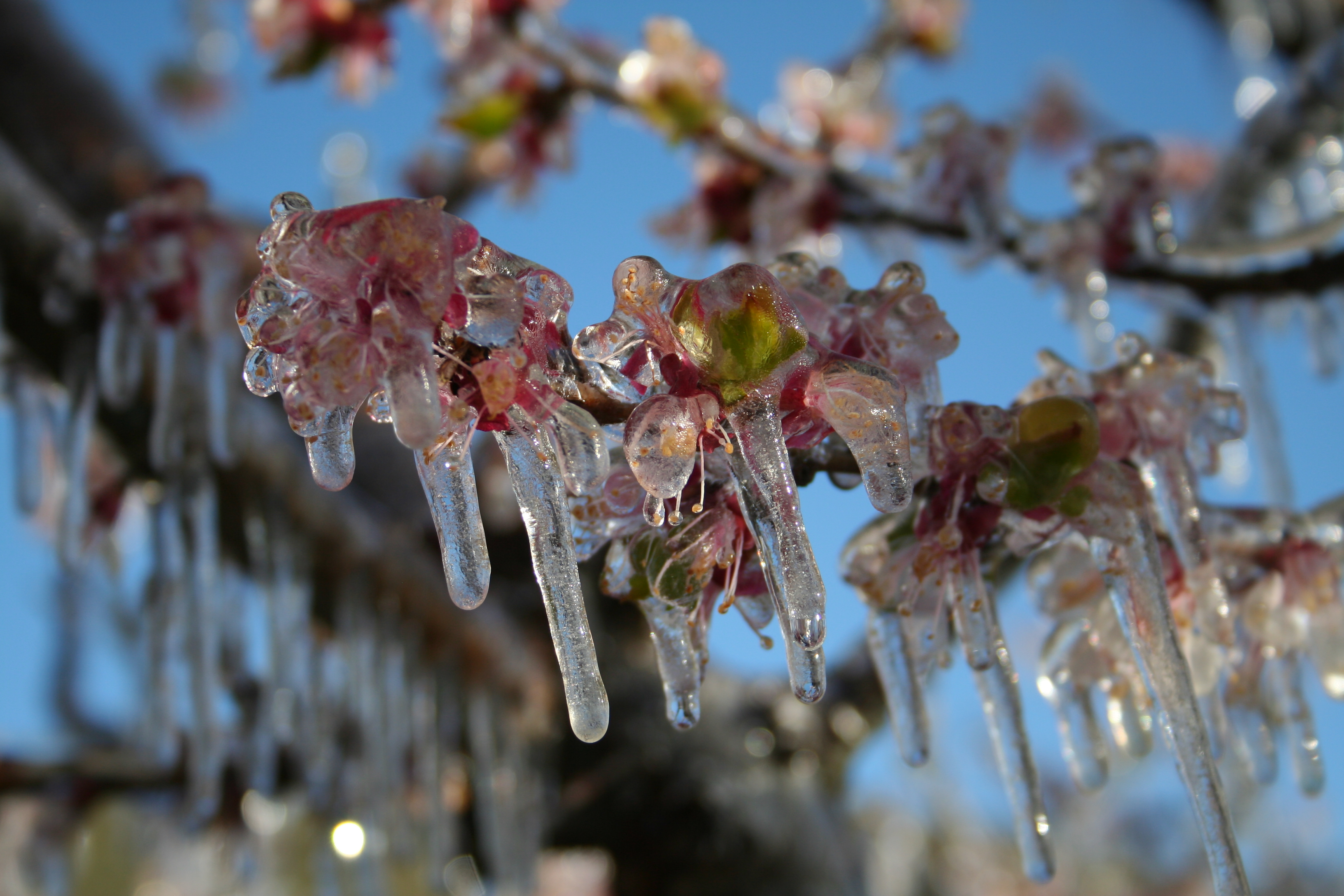
Investments will be made mainly in heat exchangers and solar technology, she said, while cold storage facilities will take advantage of financing from EU funds so that by harvest time many roofs will be fitted with solar panels. "There was late frost in April, but January and February were very mild, so the flowering of stone fruits started very early and the frost did not cause significant damage. We are hearing that Hungary and also Austria are experiencing frost damage to apricots and plums. In general, there are still old stocks from 2022 harvest in frozen fruits, raspberries and blackberries especially. But the selling prices are too low. Having to sell now really hurts everyone. Last year's prices were way too high, so consumer buying behavior has changed." She said these price oscillations are "unhealthy for everyone involved and trigger speculators." However, one remains realistically optimistic, Vollweiler quotes a buyer.
Water supply secured in Balkan countries
She also sees an ever-growing water problem in Italy, Spain and France. "Here in the Balkan countries, the situation is much better. In the north of Serbia, in the Vojvodina region, the groundwater has dropped somewhat, and there are isolated irrigation systems, but unfortunately too few to remedy the situation. South of Belgrade, in the Sumadia region and the regions along the Danube, Morava and Drina rivers, there is sufficient water, so we expect a normal harvest for 2023. Wells are being drilled so that drip irrigation systems can be set up in the plantations, and hailing nets have also been in place for four to five years."
High rental costs
"Our team is well positioned to take on all of our customers' challenges and, if possible, implement them on the purchasing side. This goes so far that German supermarkets demand geo-coordinates of plantations, want to know exact yields per hectare, turnover of fruit growers and cold storage. But nobody is interested in the costs of energy, fertilization, labor shortage. In Serbia, field workers have been flown in from countries like Bangladesh, Pakistan, etc. to bring in the harvest. Construction workers come from Turkey, for example. There is a lot of construction going on, especially in the big cities, first of all in Belgrade, Novi Sad, Nis. Since the war in Ukraine, there are a lot of Russians living in Serbia, who are buying and renting apartments on a continuous basis - so both sales and rental prices have risen very sharply."
This year, she said, the company plans to start early by visiting all cold storage facilities with plantations and fruit growers, inviting transporters to talk, calling packing companies and customs forwarders "to get everyone to see the light again."
Anevo Trading was able to renew its IFS certificate for the sixth time and is about to undergo the Global GAP/CoC (Chain of Custody) certification audit as a broker.
Source - https://www.freshplaza.com