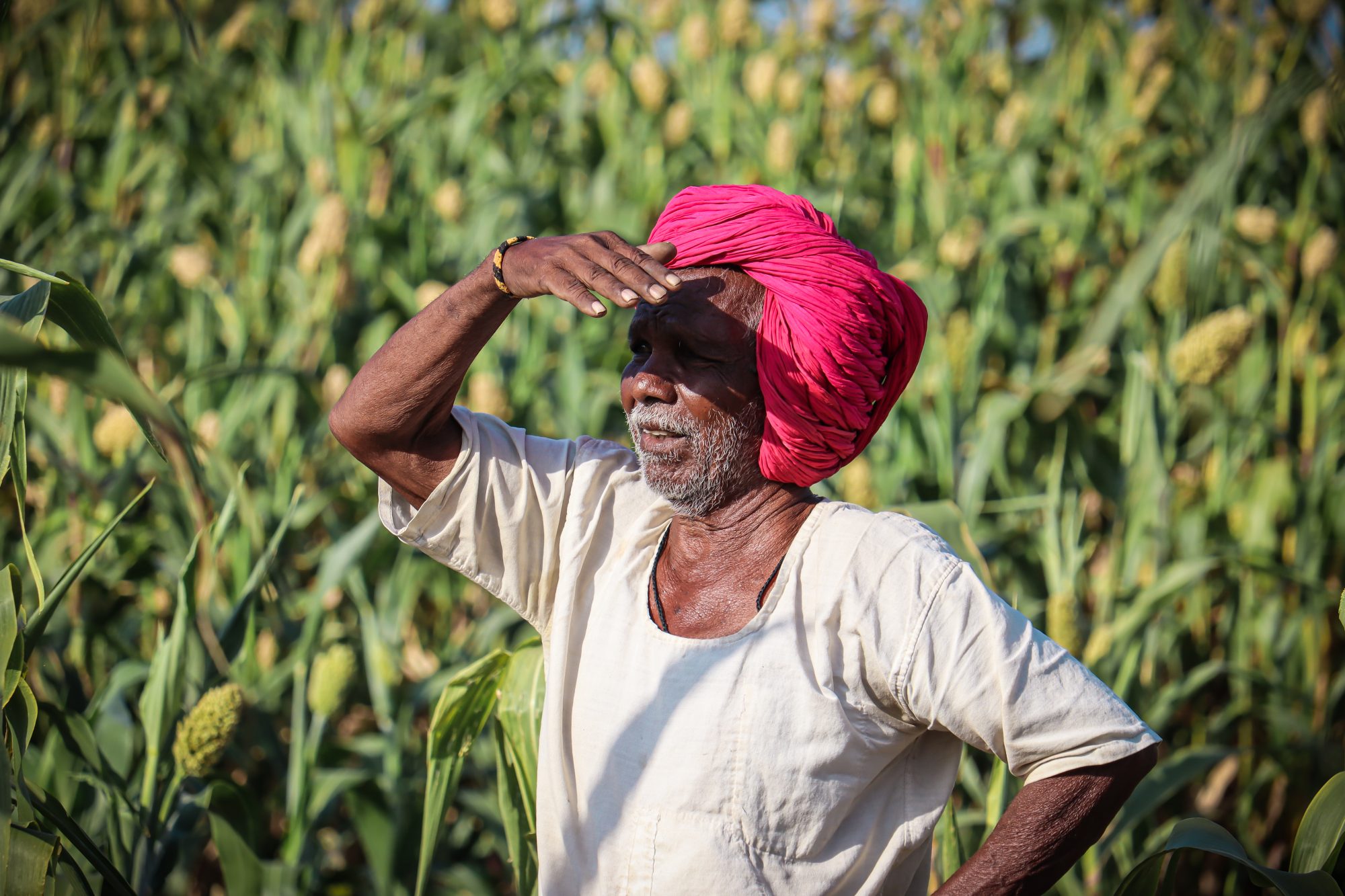
Agriculture Minister Shivraj Singh Chouhan said fertiliser supplies remain adequate for the kharif season despite disruptions, while outlining plans for crop diversification and sustainable farm growth.
Highlighting supply chain reforms, crop insurance and climate-resilient farming, Shivraj Singh Chouhan said the government is focused on boosting farm incomes and agricultural growth.
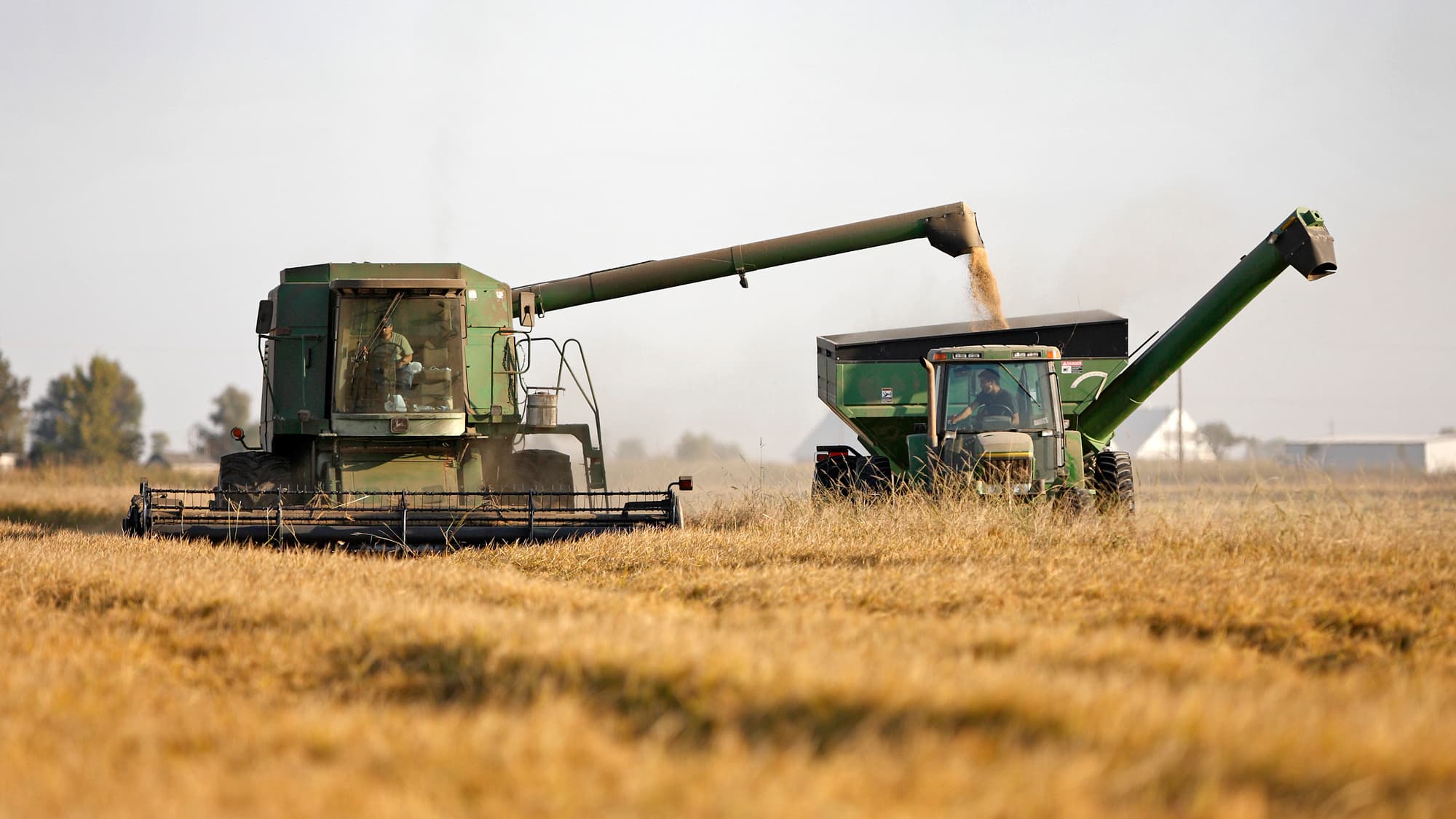
A three-day national level exhibition and conference – Unnat Krishi Mahotsav – concluded at Raisen, Madhya Pradesh on Monday. Several private and government-owned firms including fertiliser manufactuers, agri-equipment makers and seed companies participated in the event.
Agriculture Minister Shivraj Singh Chouhan spoke to FE’s Sandip Das on the sidelines of the meeting about the challenges facing the agriculture sector, and its prospects.
Q: How do you assess fertiliser supply situation for the forthcoming kharif season?
We currently have sufficient fertiliser stocks, and we are seeking an alternative route to get soil nutrients. Besides, efforts are being made to ensure that our ships (stuck at Strait of Hormuz) can get through. I think there will not be any big problem relating to fertiliser supplies in kharif season. Current circumstances are extraordinary, we are attempting to address fertiliser supplies impacted by the West Asia conflict.
Q: What measures are being taken to boost agriculture gross value added (GVA)?
Ensuring an efficient supply chain from seed to market is critical. We have sufficient production of rice and wheat while the output of oilseeds and pulses still remain inadequate thus we need to import. Attempt is to ensure that in the varied climatic zones taking into consideration climate, soil and irrigation, we are preparing a roadmap of agricultural growth for various regions.
We released a roadmap for Sehore, Dewas, Vidisha, and Raisen districts in Madhya Pradesh which focussed on not only production but also on right crops and sustainable farming. Efforts have been made to prepare location-specific action plans at the block level so that agricultural development can be aligned with local needs and conditions.
The need of the hour is for farmers to adopt scientific methods of cultivation based on their specific soil conditions, local climate, availability of water, and existing resources. Instead of focusing solely on increasing production, farmers must give equal attention to selecting the right crops and ensuring sustainable farming practices.
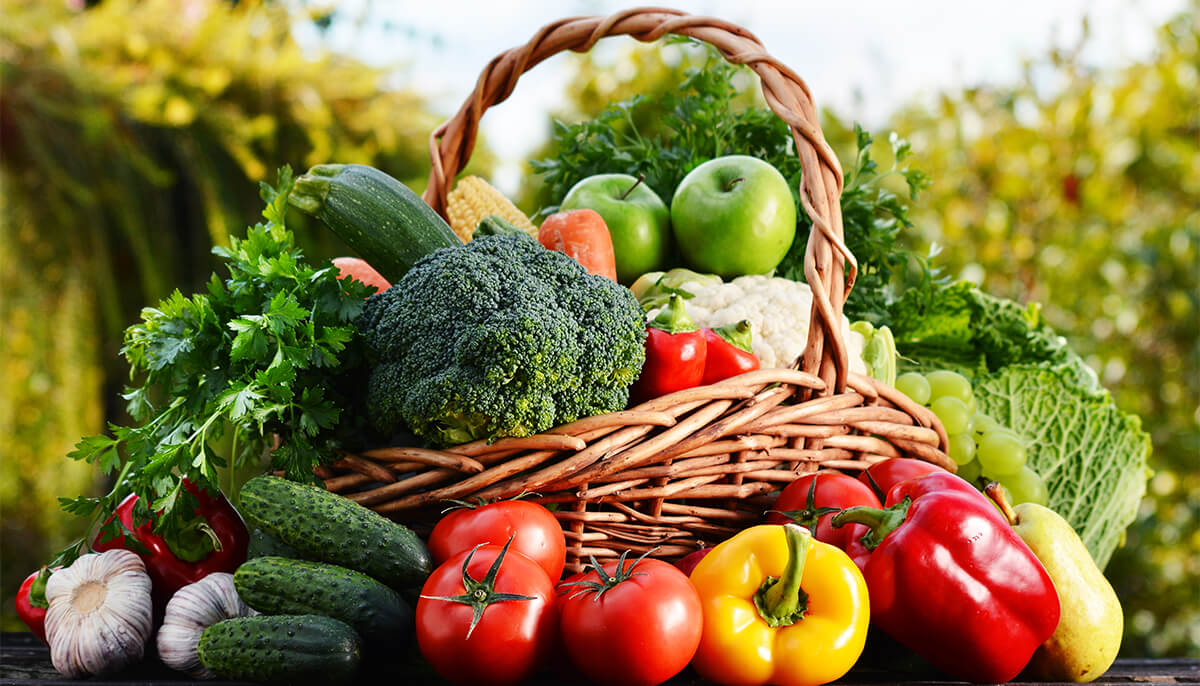
We need to focus on promoting integrated farming models through the promotion of fruits, vegetables, fisheries and other allied sector activities for boosting farm growth.
Q: Do you think the current liberalised import policy especially for pulses and oilseeds, has impacted farm gate prices?
There is an import policy to augment domestic supplies. However, whenever the prices of agricultural commodities drop, we intervene through the PM Asha scheme which has components of price support scheme, price stabilization fund, price deficiency payment and market intervention to protect farmers.
We do ensure that farmers get remunerative prices and don’t resort to distress sales. Attempt is to reduce wide difference between farm gate and retail prices especially for perishables like fruits and vegetables.
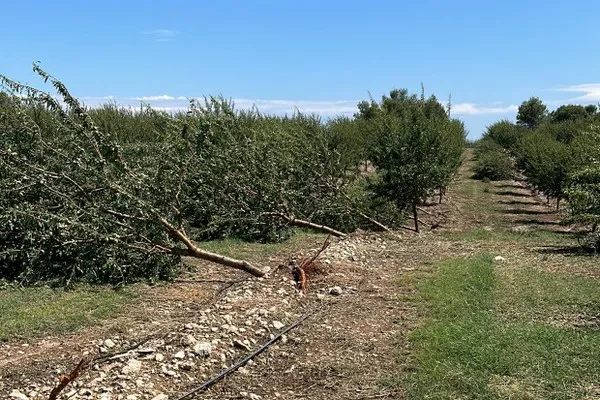
Q: Frequent erratic weather conditions impact farm income. What are the steps being taken to address it?
About 23 states have rolled out the Pradhan Mantri Fasal Bima Yojana and others are being encouraged to adopt the scheme. We have made several changes to the scheme to make it farmer-friendly. Satellite based remote sensing technology is being used to assess crop losses. Since the launch of the crop insurance scheme in 2916, about Rs 2 lakh crore claims have been paid to the farmers under the scheme. We are using all the latest technology to assess crop losses.
Q: How do you assess agricultural growth in the next few years?
Agricultural growth depends on several factors including performance of monsoon. Despite all efforts, the weather plays spoilers. Despite these challenges, the agricultural sector including allied growth has increased by 5.23% annually over the past decade. Through various interventions, we are trying to ensure sustainable growth of the sector which also boosts farm income and positive impact on the economy.
The focus is on promoting climate-resilient agriculture, increasing productivity, enhancing farmers’ incomes, conserving water resources, crop diversification from water intensive rice and paddy to pulses, oilseeds, fruits and vegetables, and strengthening farmers’ linkage with markets.
Source - https://www.financialexpress.com