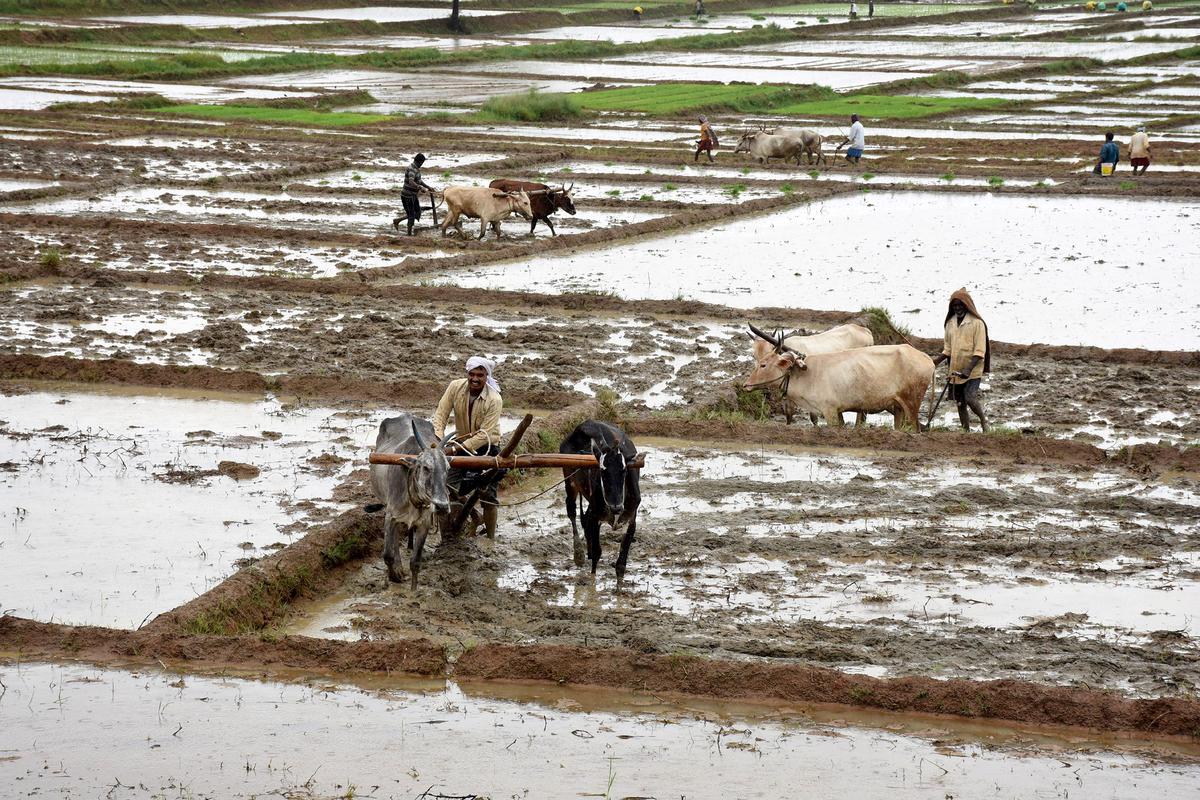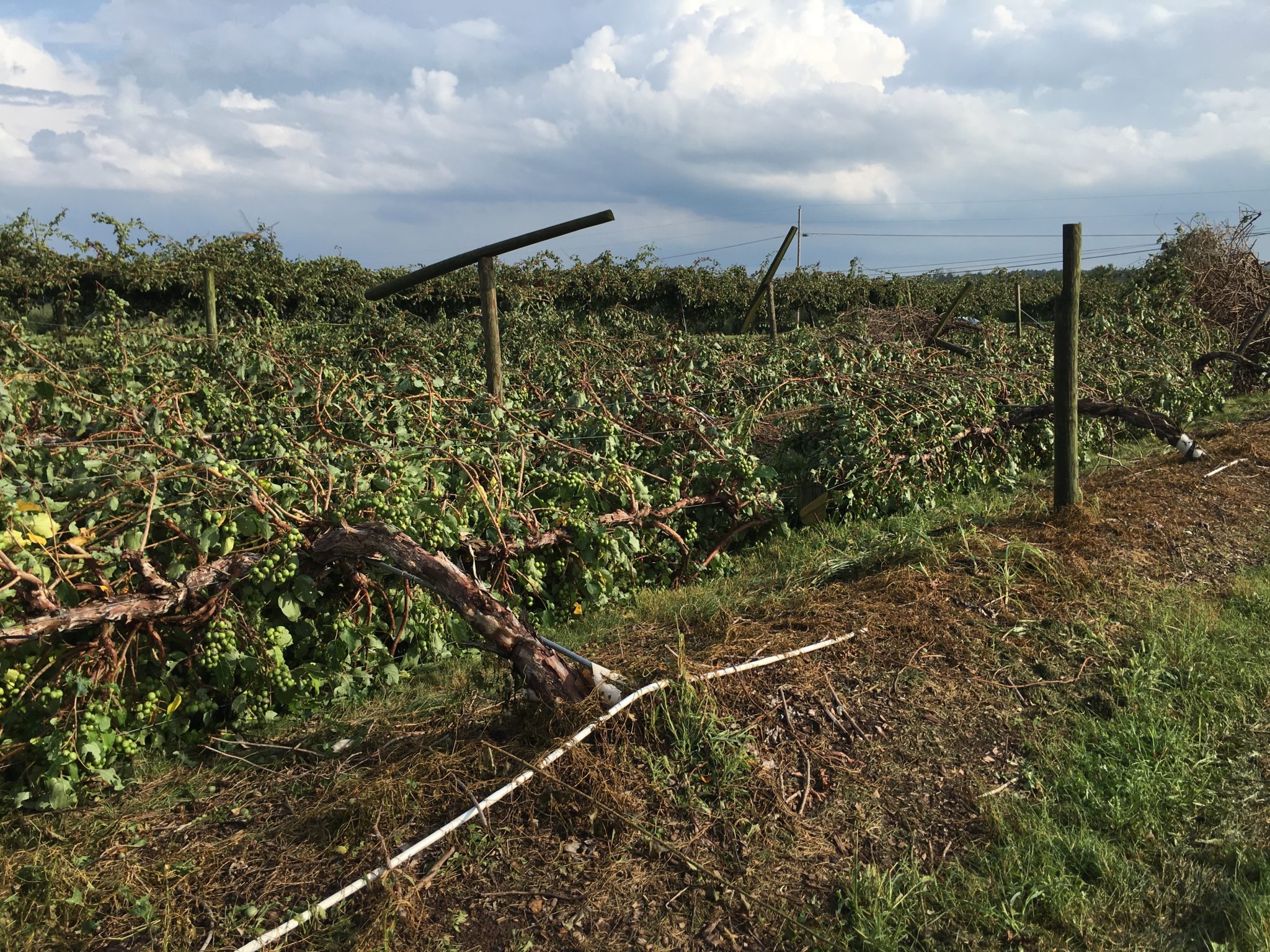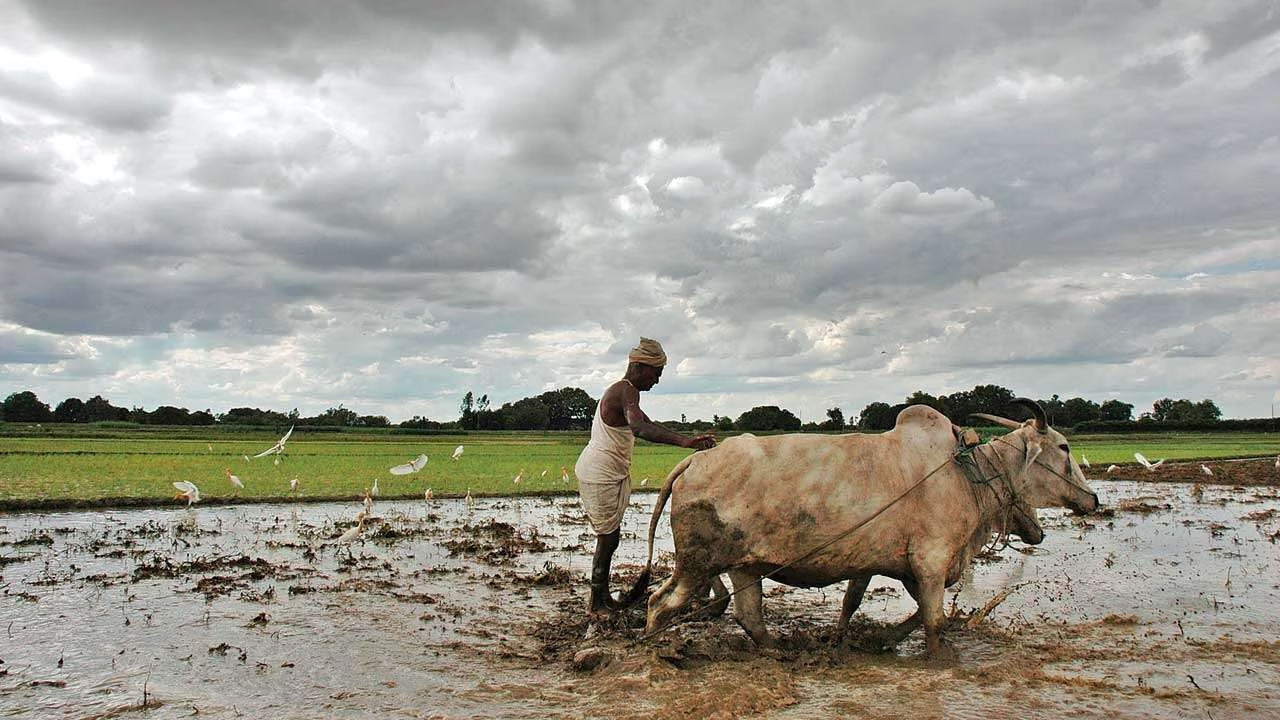
Heavy rains on July 20 not only affected the city areas but also proved to be disastrous for farmers in the district. Over 6,700 hectares of cropland was devastated, affecting 7,356 farmers across 13 talukas, stated a preliminary report shared by the district agriculture department.
Soyabean, cotton and pigeon pea were the major crops affected. However, the list goes on to include paddy, chilli and vegetables as well.
District agriculture superintendent Ravindra Manohare said, "We have already initiated the survey and e-panchanams are going on even as we speak.
The affected farmers will receive the compensation through direct bank transfer (DBT) after the final survey is sent to the govt. The survey process is ongoing and will take around 8 days to complete."
In the preliminary assessment, the highest impact was observed in Kuhi taluka, with 2,640 farmers affected and 2,110 hectares of land damaged. Conversely, the least impact was felt in Kalmeshwar taluka, which reported no affected villages, farmers, or damaged land. The Nagpur taluka experienced a moderate level of damage with 24 affected villages, 265 farmers impacted and 345 hectares of farmland damaged.
An official stated that compensation amounts are determined by the type of farmland. For unirrigated land (rainfed), compensation is set at Rs 8,500 per hectare, with a minimum payout of Rs 1,000.
Irrigated land receives Rs 17,000 per hectare, with a minimum sum of Rs 2,000. For horticulture (bagayati) land, the compensation is Rs 22,500 per hectare with a minimum of Rs 2,500.
In the event of soil or sand accumulation on farmland causing damage, the compensation rates are set according to the extent of damage. If a three-inch layer of soil or sand has accumulated on the land, causing significant damage, the compensation is set at Rs 18,000 per hectare, with a minimum amount of Rs 2,200. For land that has been severely impacted, either through erosion or severe damage, compensation has been increased to Rs 47,000 per hectare, with a minimum of Rs 5,000. These rates are established based on the criteria set by the NDR (National Disaster Response Force), he further added.
Amol Khandu Bagate, a farmer from Mhalgav village in Katol taluka, has reported severe damage to his crops due to excess rainfall. Bagate, who cultivates cotton, tur, and soybean on his 5-acre farm, has experienced a 70% crop loss. He said, "The damage was due to water accumulation. My per acre damage comes to around Rs 15,000. If I am not able to drain the land, there won't be any alternative left but to prepare for second sowing," Bagate said. He also said that if the situation does not improve, he will have to wait until late September for the possibility of a rabi crop.
Source - https://timesofindia.indiatimes.com