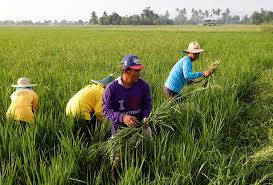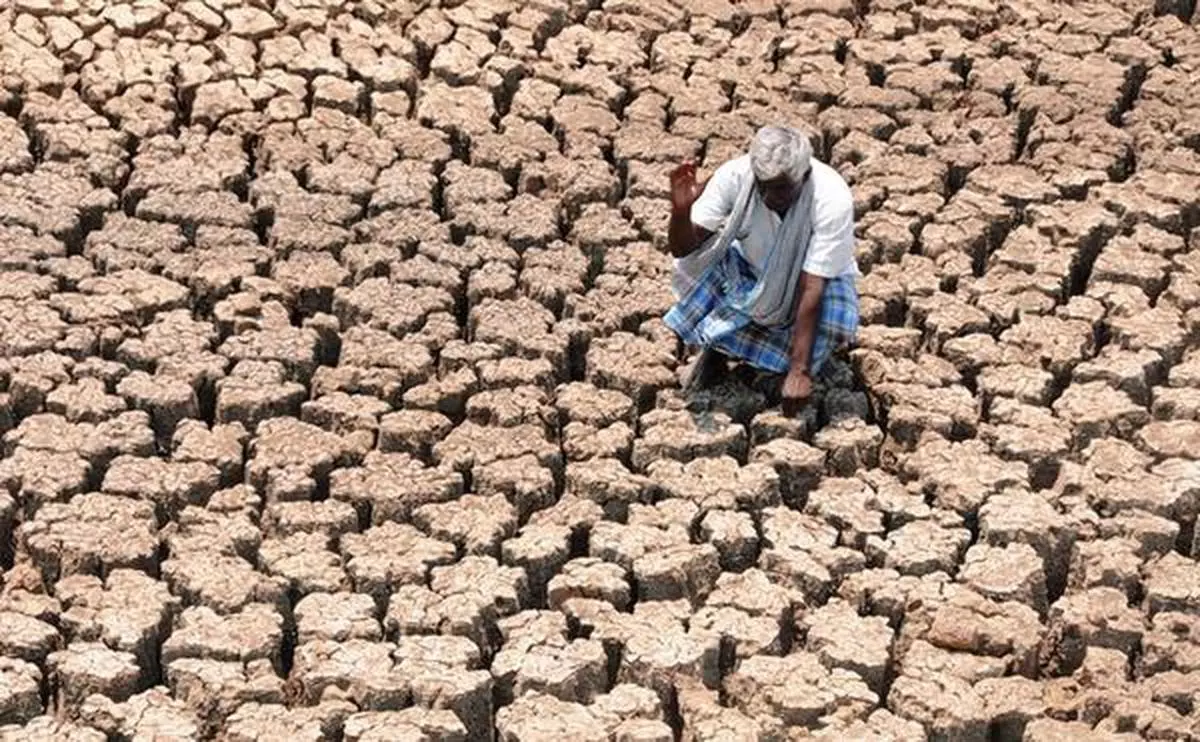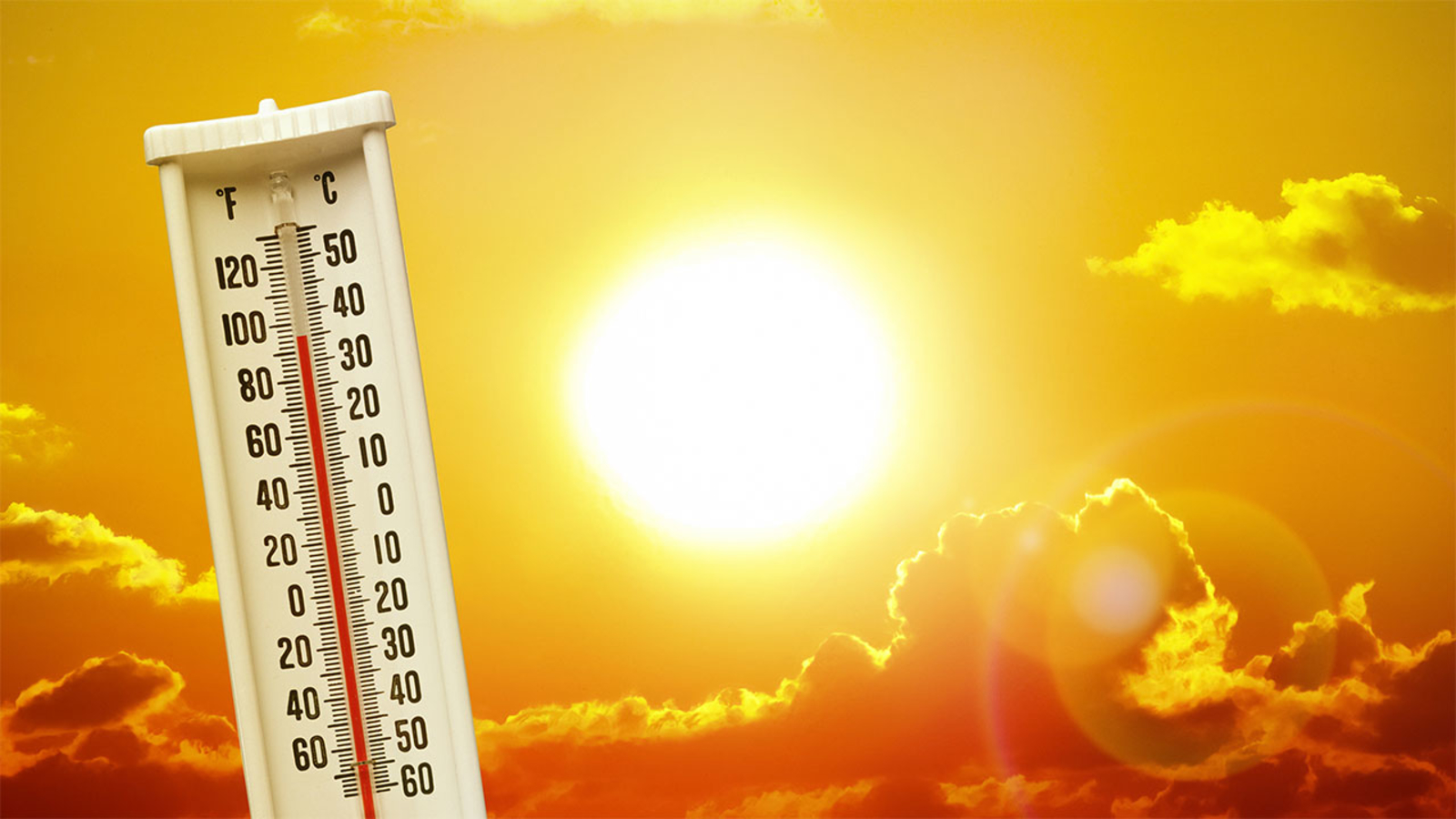
India's agricultural sector has been facing great challenges as the country's meteorological department predicts a hotter summer this year.
The India Meteorological Department (IMD) recently warned of a hotter-than-usual March, April and May in most parts of northeast India, east and central India, and some parts of northwest India.
This in turn increases the likelihood of heatwaves occurring over many regions of central and northwest India.
Experts said the enhanced probability of the occurrence of a heatwave during March to May season is likely to hit farm production and hike food prices in India.
The South Asian country was gripped by record heat in February with an average maximum temperature of 29.66 degree Celsius.
Also in February, the country recorded an average rainfall of 7.2 mm, the sixth lowest since 1901, which is 68 percent lower than its Long Period Average rainfall of 22.7 mm.
"Rainfall over homogeneous region of central India was nil, which is lowest since 1901," IMD said.
IMPACT FELT
India is one of the countries most susceptible to the impacts of climate change. Irrigation covers only 50 percent of the cropland in India and there is significant reliance on rain.
Last year, India experienced its hottest March in over a hundred years, which damaged the country's grain harvest and forced the government to curb wheat exports.
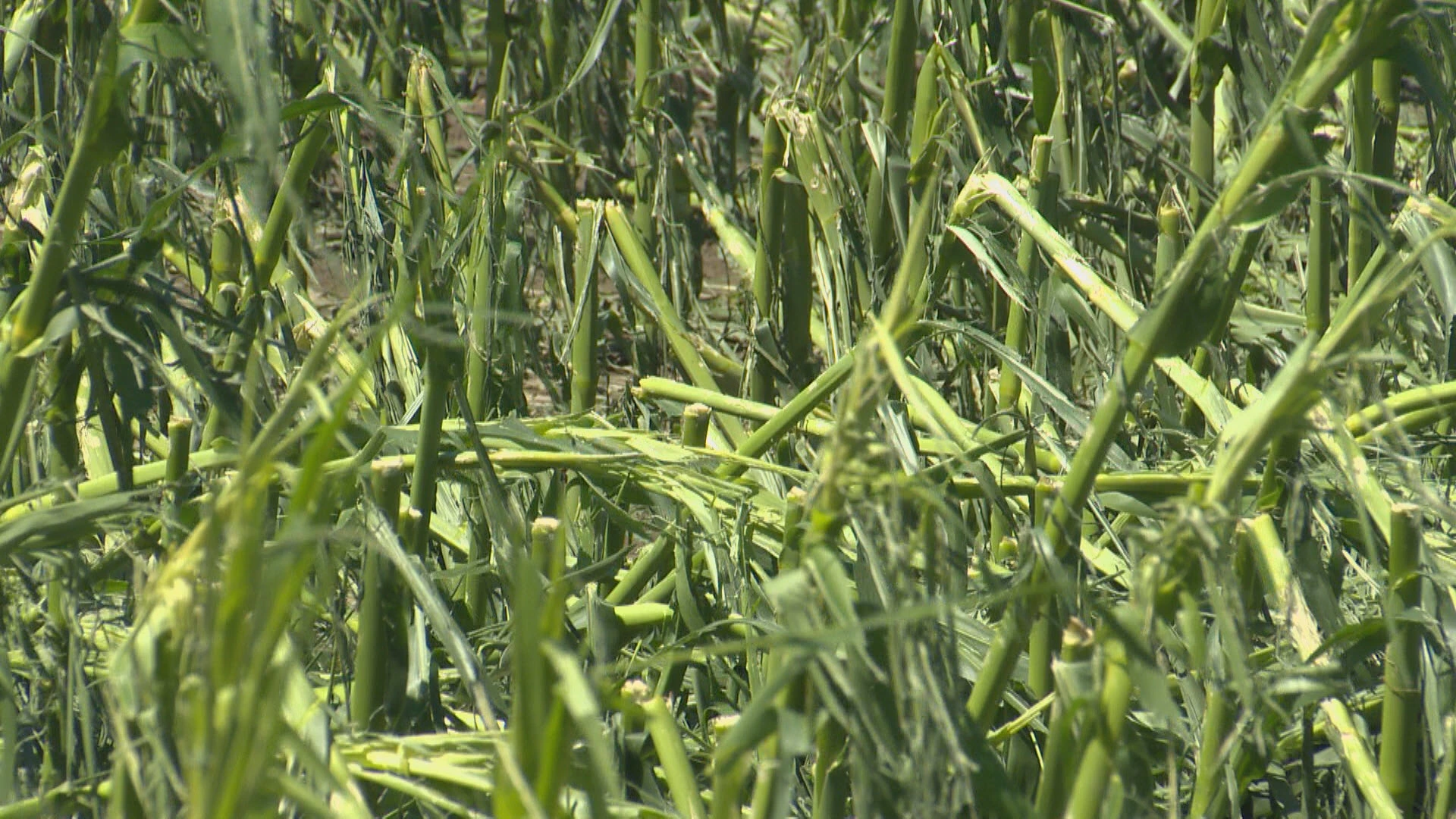
According to crop scientists, the combination of high temperatures and increased humidity has already led to a rise in pest and fungus infestations in India.
India's production of fruits and vegetables may fall up to 30 percent this season as high temperatures amid the ongoing flowering and fruiting process inflict damage to the crops, according to local experts.
Reports said mango farmers have already reported massive flower and fruit drop.
According to horticulturists, the abrupt and early onset of summer will also adversely affect citrus fruits, bananas, lychee, watermelons and cashew crops.
Likewise, the vegetables like cauliflower, cabbage, leafy vegetables and tomatoes will remain smaller in size besides being lower in nutritional content.
"We estimate that there will be a loss of 10-30 percent for different fruit and vegetable crops in different regions due to the sudden increase in temperatures," S. K. Singh, director of Indian Institute of Horticulture Research, Bengaluru was quoted in a local newspaper as having said.
"The fruit crops that are immediately affected are mangoes, lychee, citrus crops like kinnow and oranges, bananas and avocados."
In addition, worries over wheat production are also mounting.
According to the federal agriculture ministry, wheat crop condition is normal in all major wheat-growing states so far. Nevertheless, experts say India's agriculture sector will certainly get affected if the weather forecasts play out as per IMD's predictions.
Prolonged heatwaves could cut India's wheat production for a second straight year and therefore hurt the efforts to control food costs.
GOVERNMENT RESPONSE
Amid fears of an early summer, to prevent a repeat of last year when a warm March hit the winter wheat crop, the federal government set up an inter-ministerial panel to monitor the situation of the wheat crop.
Indian Prime Minister Narendra Modi on Monday chaired a high-level meeting to review preparedness for hot weather.
He called for preparing awareness material for common citizens, medical professionals, and disaster response teams, stressed on the need for detailed fire audits of all hospitals, and directed IMD to issue daily weather forecasts that can be easily interpreted and disseminated.
Reports said demand for electricity in India this year has already touched a near-record level with the onset of hot weather this year.
To help avoid blackouts and ease pressure on domestic supplies, power plants that run on imported coal have already been directed to operate at full capacity for three months during summer.
Source - https://english.news.cn