Climate change has never been fair. While the battle remains a global effort, the disproportional manner in which climate disaster tramples on the weakest makes it an achingly cruel opponent. For example, despite exhibiting one of the lowest per-capita emissions in the world, India stands to be one of the worst affected. The cataclysmic cogs of climate events have already begun turning, with a new report mourning that India has witnessed a natural disaster almost every day of 2022 so far.
The report, released in collaboration between the Centre for Science and Environment (CSE) and Down To Earth magazine, assesses that out of the 273 days between January 1 and September 30, some form of extreme weather event shrouded some part of India in tragedy for 242 of them — or 88% of the time.
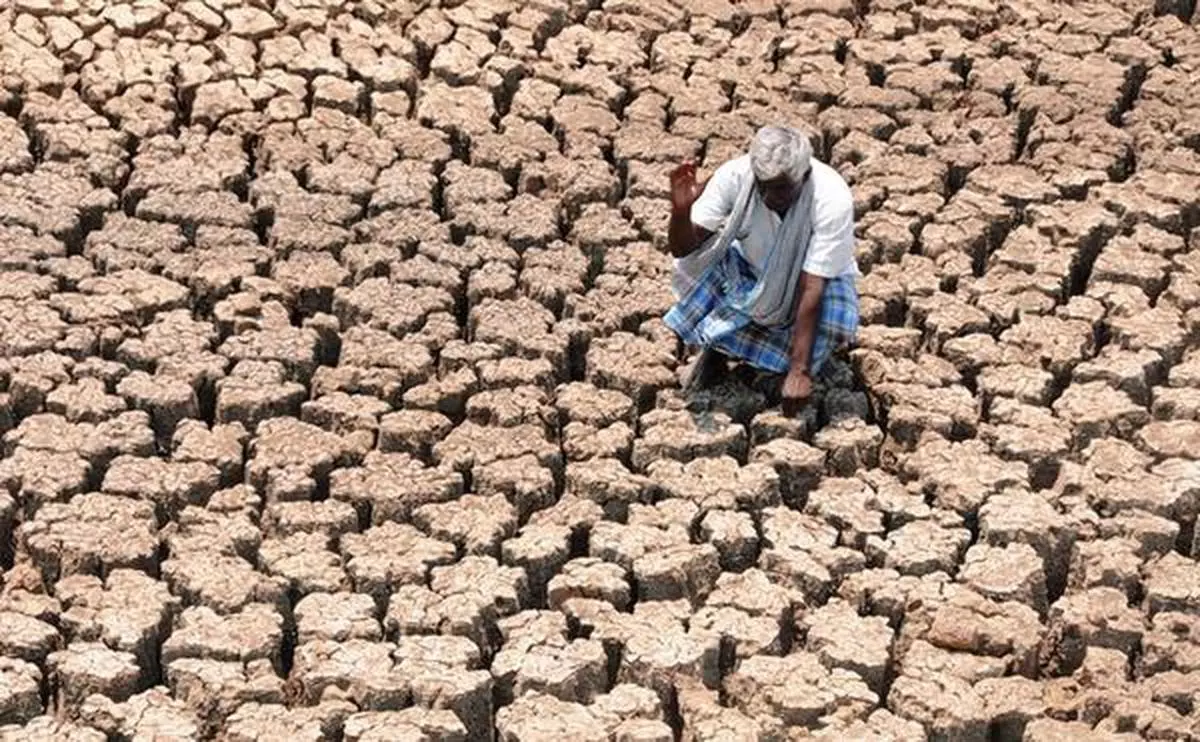
Additionally, the sheer range of the disaster types seems eyebrow-raising. India simultaneously recorded one of the wettest Januaries and one of the driest Marches in over 120 years. In addition, eastern and northeastern India recorded abnormally cold day and night-time temperatures in February, which can be devastating for crop growth due to frost development. This, too, can be attributed to climate change, which is making these kinds of record-breaking events occur more frequently than they should.
“What the country has witnessed so far in 2022 is the new abnormal in a warming world. There is a clear spike in frequency and intensity of extreme events that we are seeing,” said CSE director general Sunita Narain.
Death and destruction toll higher than ever
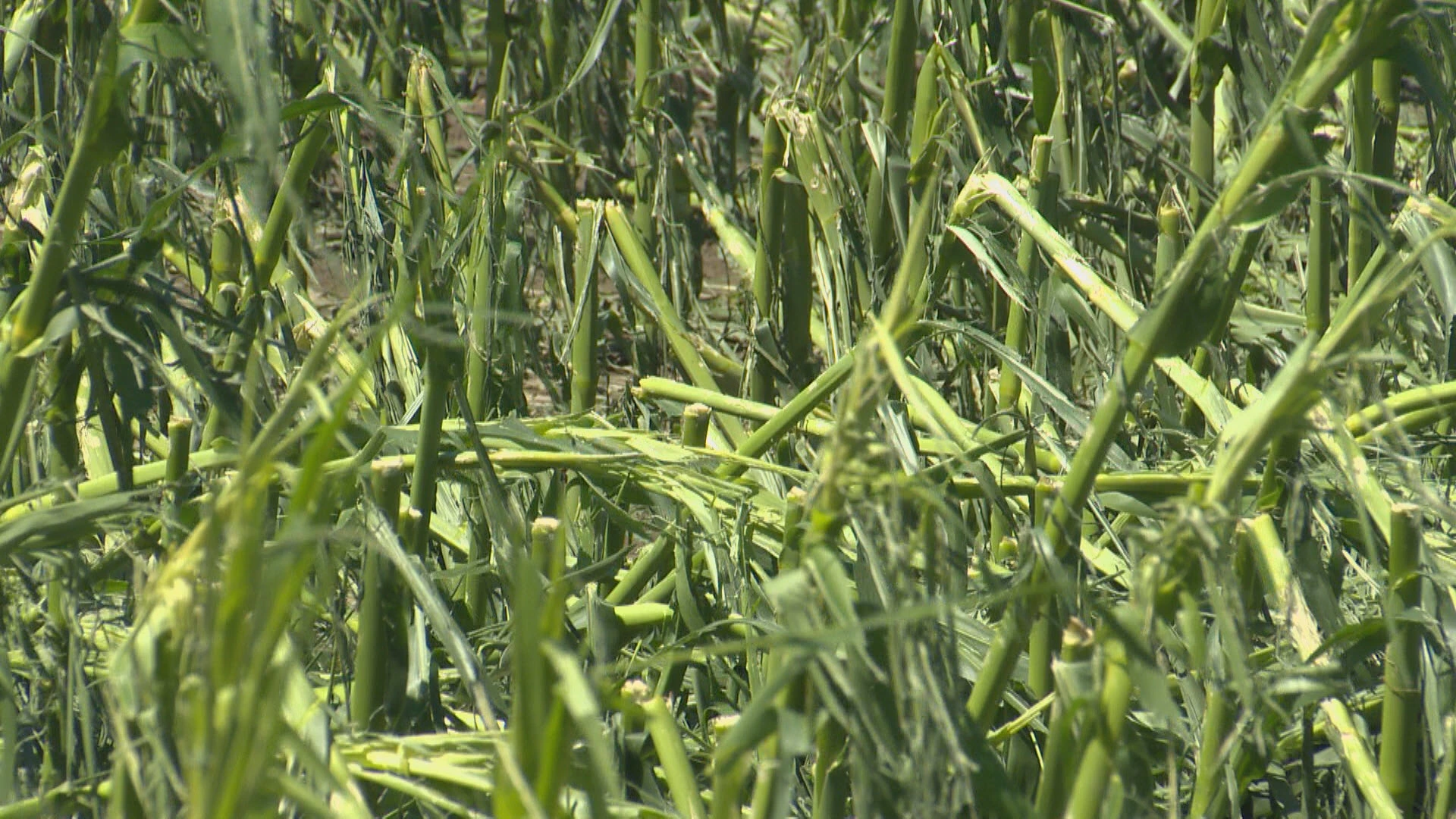
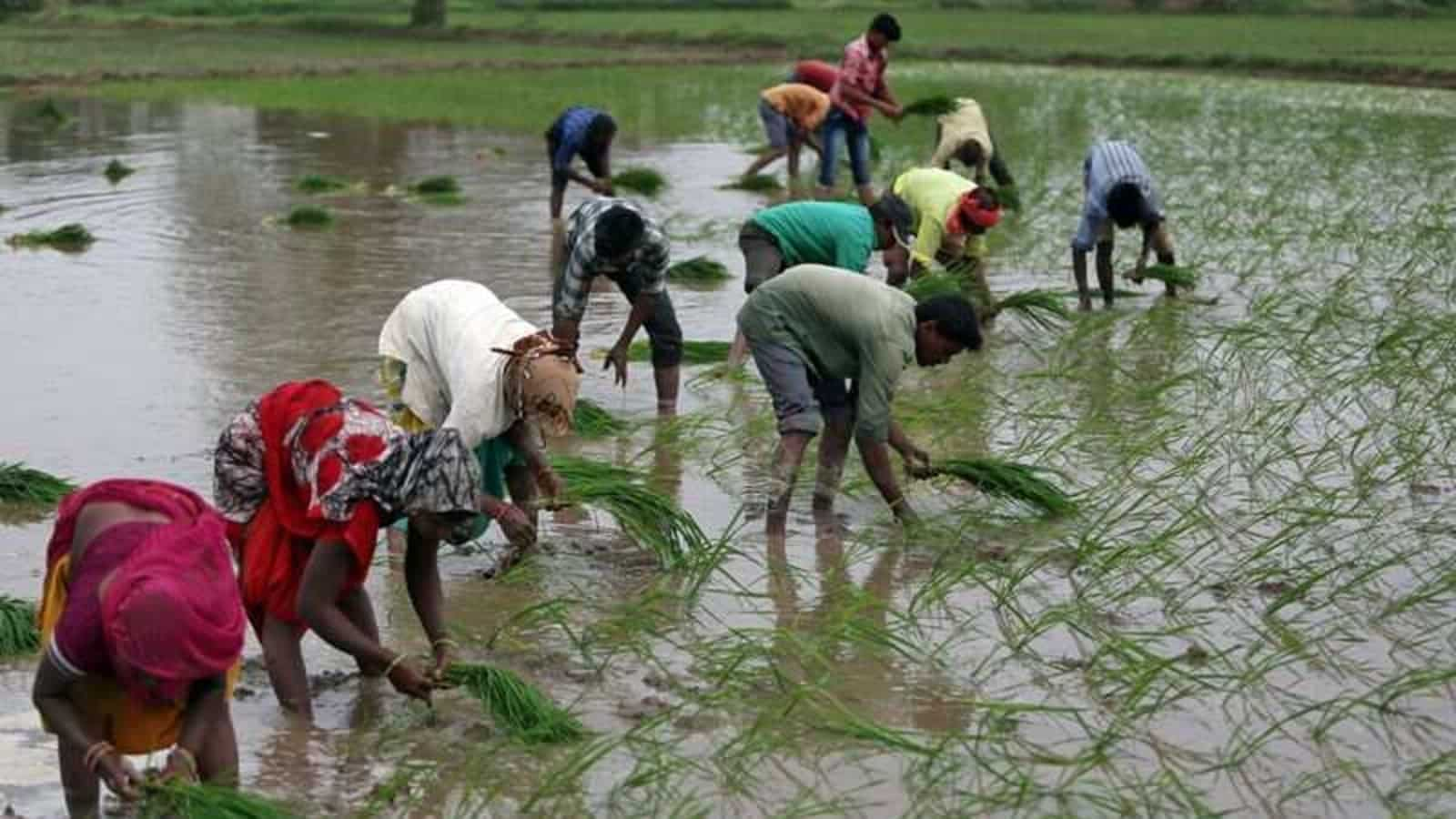
The repercussions of the warming trend remain painfully real. According to the report, these climate change-induced natural disasters killed almost 3,000 people and 70,000 livestock, and destroyed around 4.1 lakh houses just this year alone. They also affected 18 lakh hectares of crop area — about 1% of the total cropped area in the nation. For an agrarian country, this could spell significant social and economic consequences.
The worst-hit regions include India’s central and northwestern parts, which recorded almost 200 days of extreme weather events and grieved the highest death toll than any other region, with 887 lives lost.
Next in line is the northeastern region, with 783 deaths. Northeast India was continuously ravaged by extremely heavy rains and floods throughout the southwest monsoon season. Assam, which was submerged for months, reported the highest number of damaged houses and animal deaths than any other state in the nation.
Further, the report adds that extreme weather events brought Madhya Pradesh to its knees every second day. But surprisingly, the state did not suffer from any crop damage. Experts assert this to “gaps in loss and damage reporting” — a recurring phenomenon that could significantly inflate these numbers if adequately accounted for.
A similar trend is observed when we compare lives lost to heatwaves as well. Experts reckon that the 45 lives that succumbed to heatwaves would be much larger if adjusted for its long-term effects.
A silver lining
In between all this muck, there is some good news. Despite cyclones tearing down large swaths of areas in the country, the direct fatalities caused by these disasters remained low at just 2. Experts posit that this is primarily due to effective and early forecasting and warning systems, which allowed for better mitigation measures to be put in place.
“This is because of the amazing work done by the India Meteorological Department (IMD) on cyclone forecasting so that there is adequate warning to governments. It is also because state governments — particularly those in Odisha, Andhra Pradesh and West Bengal — have improved their systems of disaster management,” Narain explained.
Source - https://weather.com