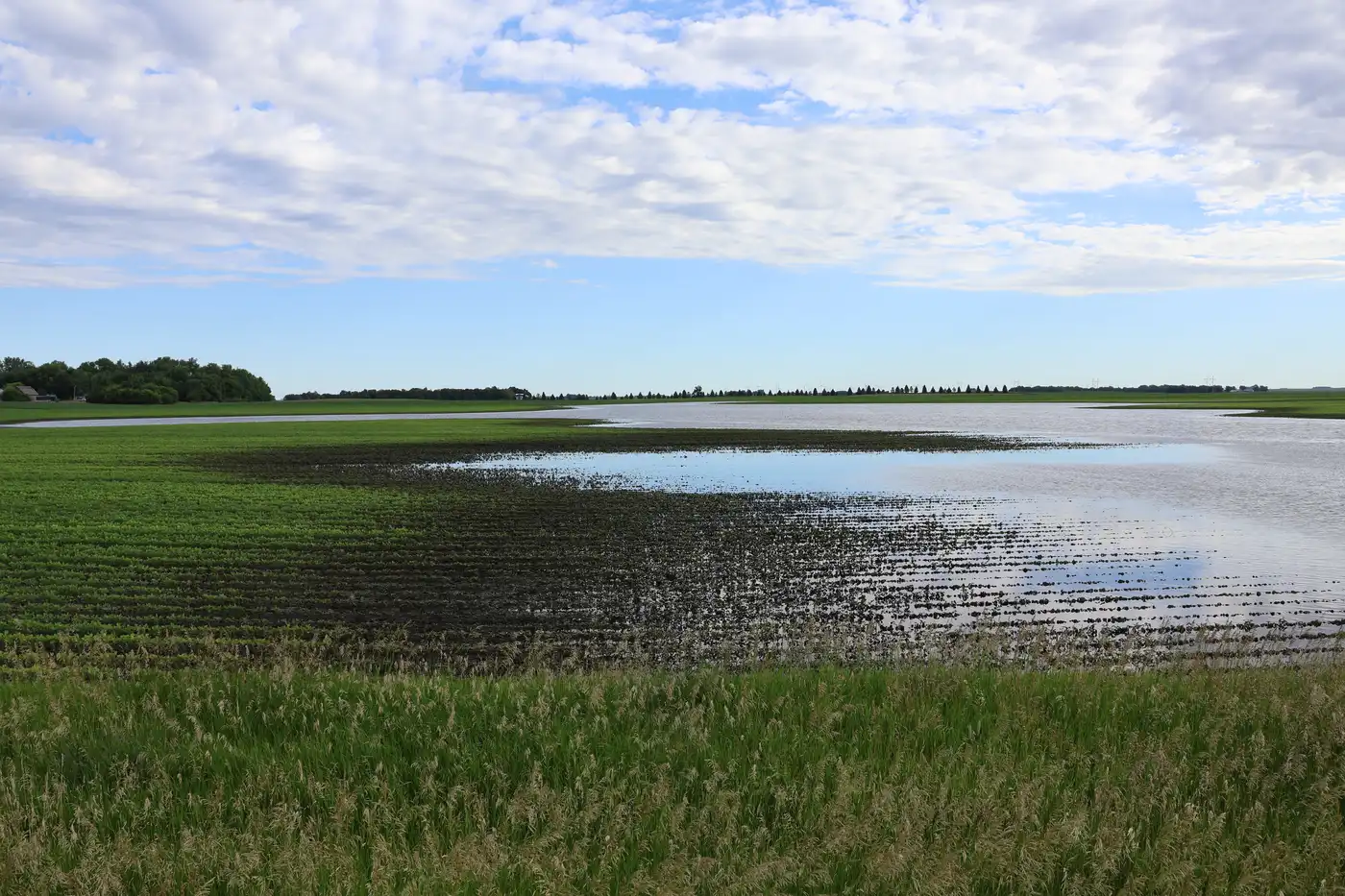
The untimely showers and downpours during summer is making an impact on the lives of farmers that are facing huge risk due to climate change. According to Maharashtra agriculture department, the state has lost 36 million hectares of crops in the last five years due to the impact of the climate crisis. The loss was due to erratic climatic conditions including cyclonic storm, flash floods, floods, drought, unseasonal rains and cloudburst.
Sunil Chavan, Agriculture Commissioner, Maharashtra said , “It is true that change in climate conditions like unseasonal rains, hailstorms, flood and drought-like situations are impacting agriculture. We have completed Pachamama process of almost 46 lakh hectares from September 2022 to March 2023, and have covered over 50 lakh farmers. Crop damage has been estimated to be over ₹7,000 crore and will be given in a phase wise manner.’’
As per agricultural experts, this has led to repeated losses for farmers, especially small and marginal ones who comprise over 85 per cent of the total number of farmers in the country. They are being increasingly put to test as climate change disturbs everything from sowing operations to harvest.
Experts noted that such conditions have forced farmers into vicious circle of debt eventually resulting into suicidal conditions mainly in regions like Vidarbha and Marathwada where agriculture is heavily dependent on rainfall.
General secretary of All-India Kisan Sabha (AIKS), Maharashtra unit, Ajit Navale , “Already farmers are suffering from climate crisis and hence suffering crop losses. Already they are under burden of agricultural debt. In such cases if they fail to repay it then for the next cropping cycle, bank will not entertain them. In such way they will be trapped in a debt cycle.”
As per data shared by agriculture department, 2019-20 had reported 101.54 lakh (10 million) hectares of crop damage in 117 districts in state in eight different climate crisis situations in the year.
In 2018-19, 88.42 lakh (8.8 million) hectares of crops had been damaged in 82 districts in seven different climate crisis situations. The year 2022-23 reported 68.56 lakh hectares (6.8 million) of crop damage from 105 districts in four different climate crisis situations in the year. This is the third highest in the last five years.
In 2020-21 and 2021-22 the damage was less. The total number of crop damage reported due to the climate crisis was 48.09 lakh hectares (4.8 million) and 63.33 lakh hectares (6.3 million) respectively.
Laxman Shembade Patil, a farmer from Beed who has five acres of land, has been a victim of climate crisis every year. “We lose our crops every year due to unseasonal rains, flood or drought. The government has given us ₹10,000 compensation per hectare, but it is not sufficient. I am thinking to quit farming as I am frustrated due to this unpredictable climate,” he said.
Vikram Gaikwad, from Ashvi village of Ahmednagar district who has four acres land, also has a similar tale to tell. “We have agricultural loans and loss of crops due to climatic conditions has made it difficult for us to repay. If we do not repay on time, the bank will not give funding for the next sowing season,” he said.
Agricultural experts stated that extreme weather events throughout the year have become the new normal. Deepak Chavan, agricultural commodities expert, said that these are visible losses but invisible losses are much more than these figures. “Climate crisis is responsible for three types of invisible losses. First is quality loss, second is low yield (due to fungal, bacterial and viral infection due to increase in humidity) and third is loss of shelf life. These are not considered in loss measured by government,’ he said.
Chavan further said that, this year as well, unseasonal rains wreaked havoc in Maharashtra. “As per government data 35,000 hectares of onion crop were damaged in Nashik. But these are visible damages. Considering invisible damages like quality loss, low yield and loss of shelf life, we are likely to face severe onion shortages in October, November and December. Considering this, we have to work to improve production in Kharif seasons.’’
Climate crisis is only limited to reporting visible losses, but it has a wide spectrum of impact starting from farmers to policy, politics, economy, food security, fodder security and consumers as well. Chavan suggested that we have to start using advanced varieties which will sustain in such adverse climatic situations which is now the new normal for the farmers.
Source - https://www.hindustantimes.com